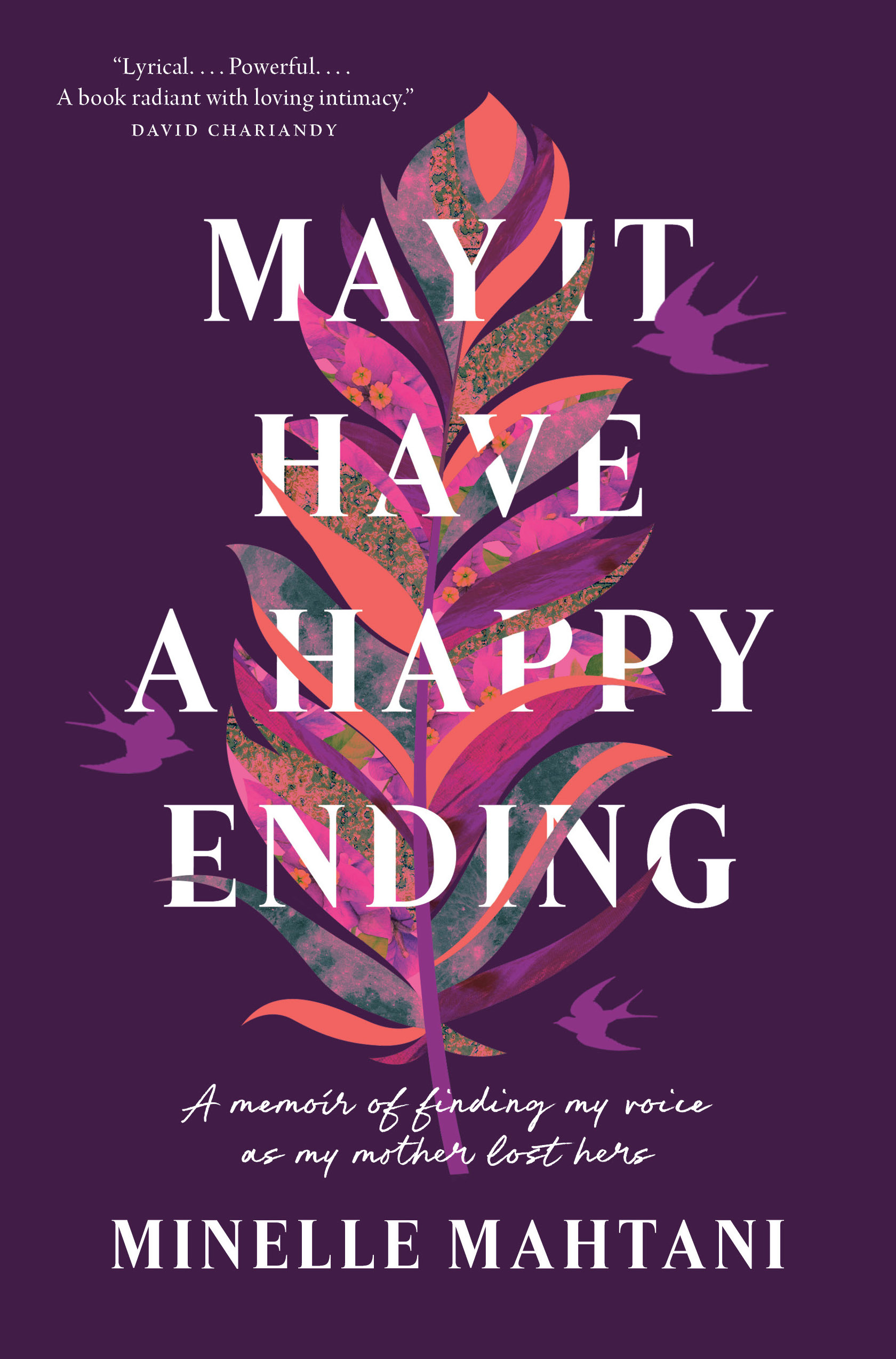
Minelle Mahtani 在她引人入胜的回忆录《May It Have a Happy Ending》(愿其有一个美满的结局)中找到她自己的声音

Minelle Mahatani
Minelle Mahtani is the head of Canadian Studies at the University of British Columbia.

[Minelle Mahtani是UBC加拿大研究学系主任。]

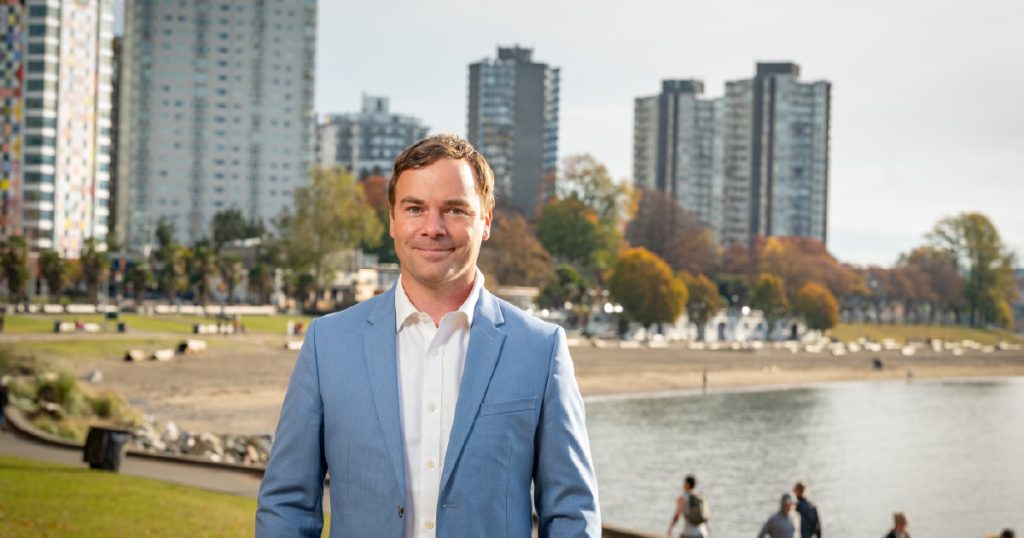
许多时候,我觉得书评在揭示作者的同时,也能反映出评论者的想法。考虑到这一点,我不会对 Minelle Mahtani 的《May It Have a Happy Ending: A Memoir of Finding My Voice as My Mother Lost Hers》进行深入评论。Mahtani 是 UBC加拿大研究学系主任,她的故事不需要通过与她生活经验截然不同的白人男性记者的视角来诠释

我想说的是,她的书富有启发性,真诚而个人化,且文笔优美。这本回忆录并非标准的回忆录,将往事有顺序的编排。相反,Mahtani 讲述了她生活中一系列非单一的小插曲,充满情感与惊喜。任何来自混血家庭的人可能都能在 Mahtani 的回忆中找到共鸣——她的父亲是一位信德印度教徒,母亲则是具有伊朗血统,在西孟加拉邦长大的穆斯林。

我过去曾在公共和私人广播电台工作,因此,对于书中描述她在私人广播电台工作的内部运作部分,我并不感兴趣。我更喜欢阅读她的家庭生活,她母亲的奋斗,她的学术经历,以及多年前在伦敦发生的令人不安的事。

然而,Mahtani关于主持「Sense of Place」脱口秀节目的发人深省的见解引起了我的注意。她欢迎并拓展各种观点,致力于在引人深思的层面上将节目提升至远超一般广播标准的水准。

“我都忘记声音总会伴随种族和性别特征,” Mahtani 在回忆录中写道,“我也忘记了白人特征相对而言不那么显眼。我的内容刻意呈现非白人特征,但我用来创作这些故事的媒体类型却并非如此。”

然而,Mahtani 指出,在担任脱口秀主持人的早期,她非常努力地让自己的声音听起来很标准——听起来像个白人——以至于最后她听起来根本不像任何人。

这让我思索Pancouver 会如何在这个网站上呈现故事。
她还谈到采访者——有时受到新闻媒体教练 John Sawatsky 的教导影响——如何与采访对象进行一种提取游戏。此外,Mahtani 指出,这种提取的过程是「殖民主义的内核」。

“我们拒绝按照他们的条件去满足他们。相反,我们坚持让他们在我们的船上与我们会面,” 她写道,“我们拒绝平等主义所带来的风险,危险和机会。”

新闻业中的平权?为访谈者和访谈对象提供公平的竞争环境?这些激动人心的想法值得全国各地的新闻编辑室采纳。

[Minelle Mahtani 与 UBC 新闻学院院长 Kamal Al-Solaylee 讨论《May It Have a Happy Ending》。 ]

《May It Have a Happy Ending》被 Audible Canada 评为 2024 年十大回忆录之一。

阅读原文 >> 点此链接

立即行动

Pancouver 激发创造力并促进一个更具包容性的社会。请支持我们关注多元的艺术家!来自加拿大境内的捐款可获得税务收据。

分享这篇文章

Subscribe

Tags

cover story

精选华文翻译文章

The Society of We Are Canadians Too created Pancouver to foster greater appreciation for underrepresented artistic communities. A rising tide of understanding lifts all of us.

We would like to acknowledge that we are gathered on the traditional and unceded territories of the Coast Salish peoples of the xʷməθkwəy̓əm (Musqueam Indian Band), Skwxwú7mesh (Squamish Nation), and Səl̓ílwətaɬ (Tsleil-Waututh Nation). With this acknowledgement, we thank the Indigenous peoples who still live on and care for this land.

This project is funded in part by the Government of Canada.

The Society of We Are Canadians Too created Pancouver to foster greater appreciation for underrepresented artistic communities. A rising tide of understanding lifts all of us.

We would like to acknowledge that we are gathered on the traditional and unceded territories of the Coast Salish peoples of the xʷməθkwəy̓əm (Musqueam), Skwxwú7mesh (Squamish), and Səl̓ílwətaɬ (Tsleil-Waututh) Nations. With this acknowledgement, we thank the Indigenous peoples who still live on and care for this land.

Enjoying Pancouver?

Independent arts journalism needs readers like you!

If you value stories like this, please consider supporting Pancouver.