
Meet the chef bringing Taiwan’s Indigenous culinary heritage to life
Chef Ko-Chin Chang created dishes representing the many tribes of Taiwan at his Badasan Aboriginal Restaurant in New Taipei City.

Chef Ko-Chin Chang created dishes representing the many tribes of Taiwan at his Badasan Aboriginal Restaurant in New Taipei City.

Sauljaljui embraces a philosophy of “finding a way home through music”, which is reflected through her songwriting in the Paiwan language.
台灣原住民音樂人戴曉君 始終秉持「透過音樂尋找回家的路」的信念。這份理念不僅體現在她發行的三張專輯中,也展現在她主持的電視節目,以及她受邀參與的多場國際音樂節演出。
台湾原住民音乐人戴晓君 始终秉持「透过音乐查找回家的路」的信念。这份理念不仅体现在她发行的三张专辑中,也展现在她主持的电视节目,以及她受邀参与的多场国际音乐节演出。
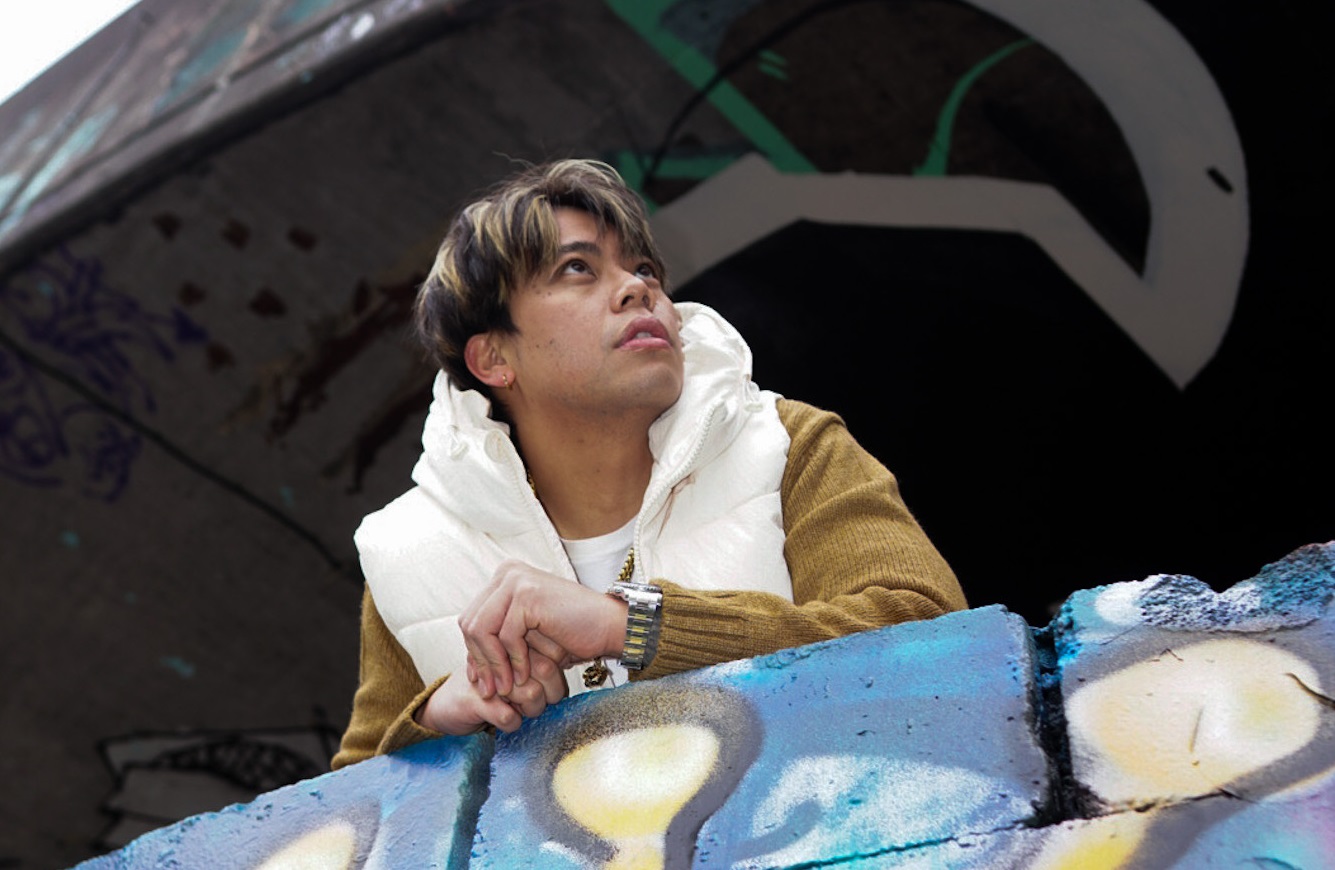
Raised in Burnaby, Arkieh used to tell people he was Chinese before embracing his Taiwanese Indigenous identity.
Kapa Arkieh 是位有著遠大夢想的溫哥華音樂家。作為一位富有魅力的表演者,他的目標是取得一定程度的成功,能使他為太平洋另一邊的原住民兒童改變世界。“我想利用音樂以及音樂帶來的資金,在台灣的村莊開設教育中心,” Arkieh 透過 Zoom 告訴 Pancouver。,“當我踏上這段旅程時,我意識到音樂確實救了我的命。”

Shihmin Szu—a.k.a. taboeh a ‘oebay tataysi’—hopes that his performance in Vancouver elevates appreciation for SaySiyat ways of life.

Imay hopes to shatter stereotypes about the Amis, which is the largest of Taiwan’s 16 officially recognized tribes.
阿美族人和大多台湾人的取名习惯不同,在他们的语言中,阿美族不问姓氏,而是问你是谁的孩子。伊麦・阿蹦的姓是她的祖母的名字-阿蹦,而她多用她的名字-伊麦来称呼自己。这个部落的族人称自己为「邦查(pangcah)」,而「阿美(Amis)」更像是一个外族人对他们的称呼。
阿美族人和大多臺灣人的取名習慣不同,在他們的語言中,阿美族不問姓氏,而是問你是誰的孩子。伊麥・阿蹦的姓是她的祖母的名字-阿蹦,而她多用她的名字-伊麥來稱呼自己。這個部落的族人稱自己為「邦查(pangcah)」,而「阿美(Amis)」更像是一個外族人對他們的稱呼。

