
投票制定「国语」的传说
大家或许听过一个中华民国的「国语」如何制定的故事。中华民国成立时,政府要选一个方言做为国语,当时北京话已经通行全国,自然成了首选。然而,因为首创革命的中山先生是广东人,所以部分人士支持以广东话为国语。双方僵持不下,只好投票决定。最后广东话输了一票,所以国民政府就采用北京话为国语。真的假的?这篇就来谈谈这段现代汉语发展的往事,一探关于制定国语的传说。

大家或许听过一个中华民国的「国语」如何制定的故事。中华民国成立时,政府要选一个方言做为国语,当时北京话已经通行全国,自然成了首选。然而,因为首创革命的中山先生是广东人,所以部分人士支持以广东话为国语。双方僵持不下,只好投票决定。最后广东话输了一票,所以国民政府就采用北京话为国语。真的假的?这篇就来谈谈这段现代汉语发展的往事,一探关于制定国语的传说。
大家或許聽過一個中華民國的「國語」如何制定的故事。中華民國成立時,政府要選一個方言做為國語,當時北京話已經通行全國,自然成了首選。然而,因為首創革命的中山先生是廣東人,所以部分人士支持以廣東話為國語。雙方僵持不下,只好投票決定。最後廣東話輸了一票,所以國民政府就採用北京話為國語。真的假的?這篇就來談談這段現代漢語發展的往事,一探關於制定國語的傳說。
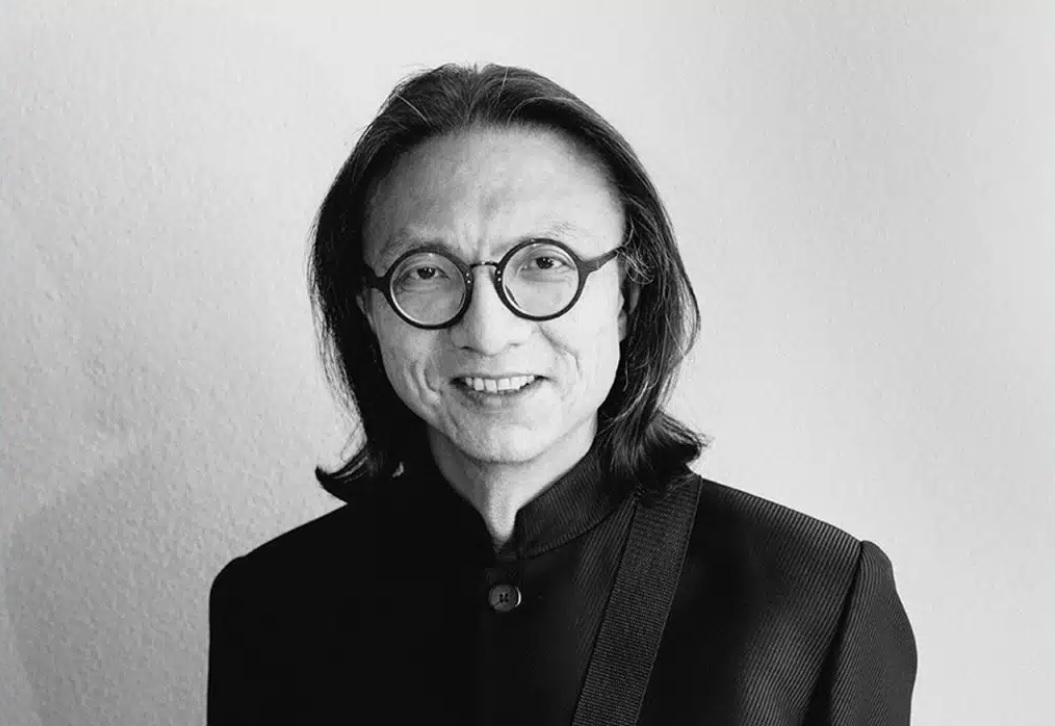
A former professor explains how the republican government of China settled on a standard language in a country with hundreds of dialects.

« Nous sommes partis de Science World sur le brise-lames de False Creek avec l’intention de lire des poèmes aux inconnus, » Spenst dit à Pancouver autour d’un café dans un Starbucks du coin.
Spenst, a language instructor and resident of the West End of Vancouver, has written four collections and 15 chapbooks.

The Cultch and Urban Ink will present the world premiere of Homecoming at the Historic Theatre in East Vancouver from May 2 to 12.

当我还小时,我常因为能够说多种语言而感到羞愧。尽管我没有明显的口音,我知道这是一种「他者」的标志。说中文是为了帮水电公司翻译紧张的电话对话,或者在没有菜单图片的餐厅点餐。讲中文是为了负责,成为一个小大人,成为我父母可以依赖的人。
當我還小時,我常因爲能夠說多種語言而感到羞愧。儘管我沒有明顯的口音,我知道這是一種「他者」的標誌。說中文是為了幫水電公司翻譯緊張的電話對話,或者在沒有菜單圖片的餐廳點餐。講中文是為了負責,成為一個小大人,成為我父母可以依賴的人。
Quand j’étais plus jeune, j’avais honte pour pouvoir parler plusieurs langues. Même si je n’ai pas d’accent notable, je savais que c’était un gage d’être une « autre ».
딱히 특이한 억양을 구사하는 것도 아니었지만, 어릴 때에는 여러 언어를 구사할 줄 안다는 것이 부끄러웠습니다. 이미 어딘가 ‘다른’ 존재임을 증명하는 것이나 다름없기 때문입니다. 공공기관에 문의해야 하거나, 메뉴판에 따로 사진이 없는 식당에 갔을 경우에는 중국어를 사용하곤 했습니다. 그럴 때마다 저는 어른스럽고 듬직한 딸이었고 부모님도 저를 의지하시곤 했습니다.

