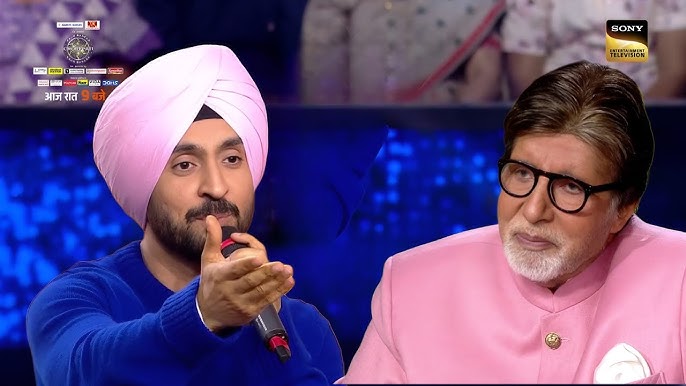
Gurpreet Singh: Diljit Dosanjh’s appearance on Amitabh Bachchan’s show was heartbreaking
It came on the anniversary of the 1984 Sikh massacres. Bachchan later ran as a candidate for the party that allegedy instigated the killings.

It came on the anniversary of the 1984 Sikh massacres. Bachchan later ran as a candidate for the party that allegedy instigated the killings.
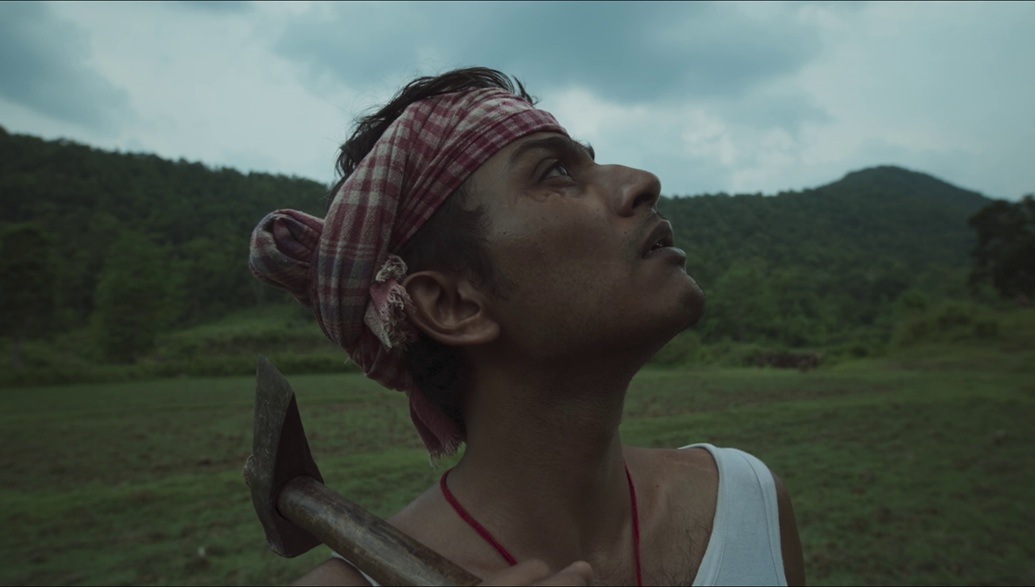
Tathagata Ghosh’s short film breaks new ground by addressing the widespread view that tribal people are pawns of Maoist insurgents.
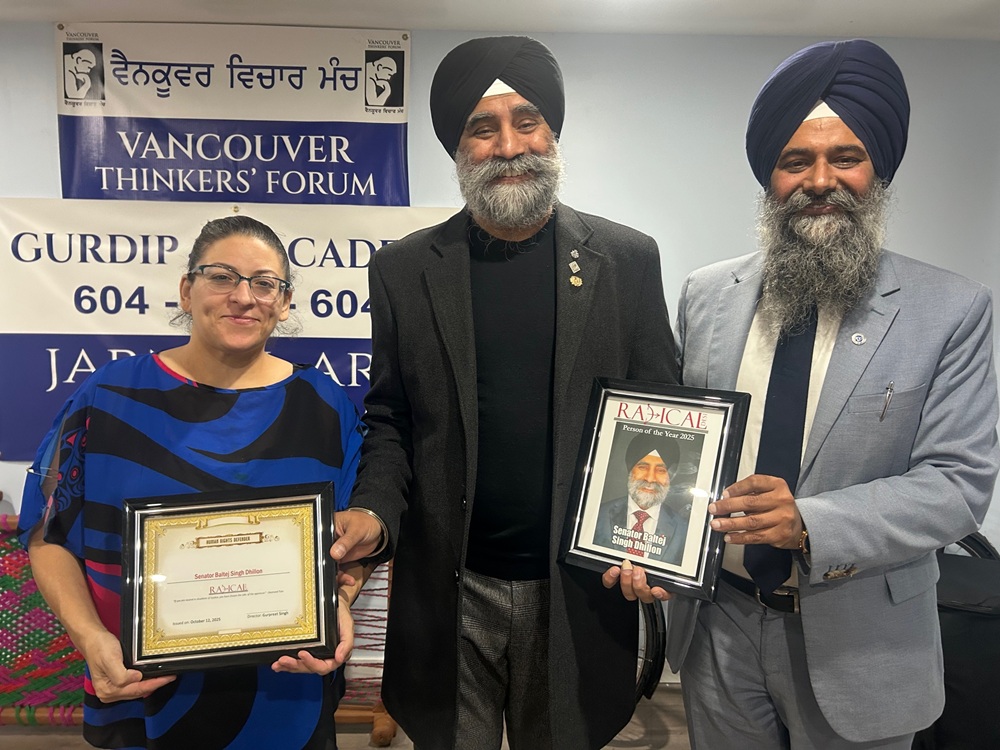
Following the award for Dhillon, attendees unveiled a new calendar commemorating human rights activist Jaswant Singh Khalra.
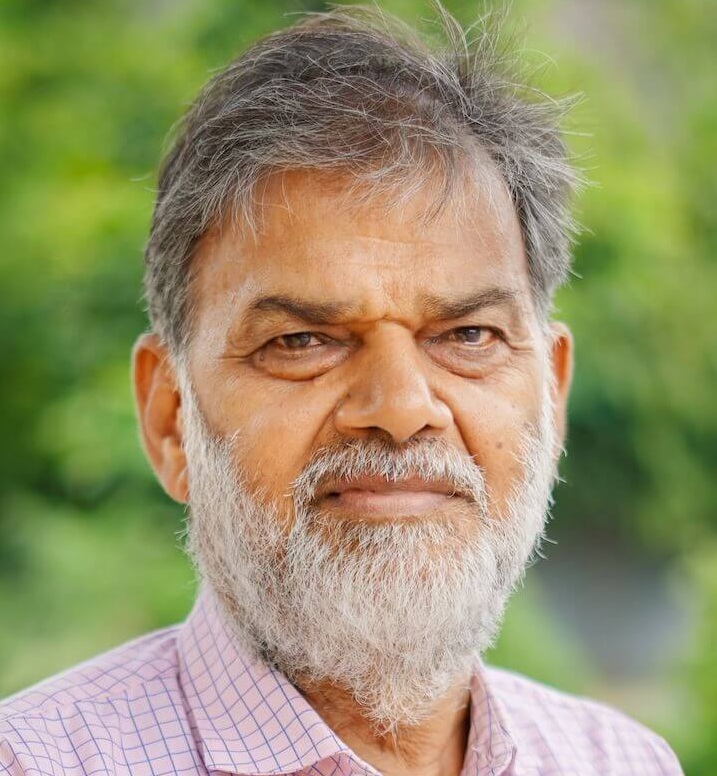
Balbir Parwana’s Punjabi novel, Rauleyan Vele (In the Time of Unrest), chronicles the lasting impact of the partition of Punjab.
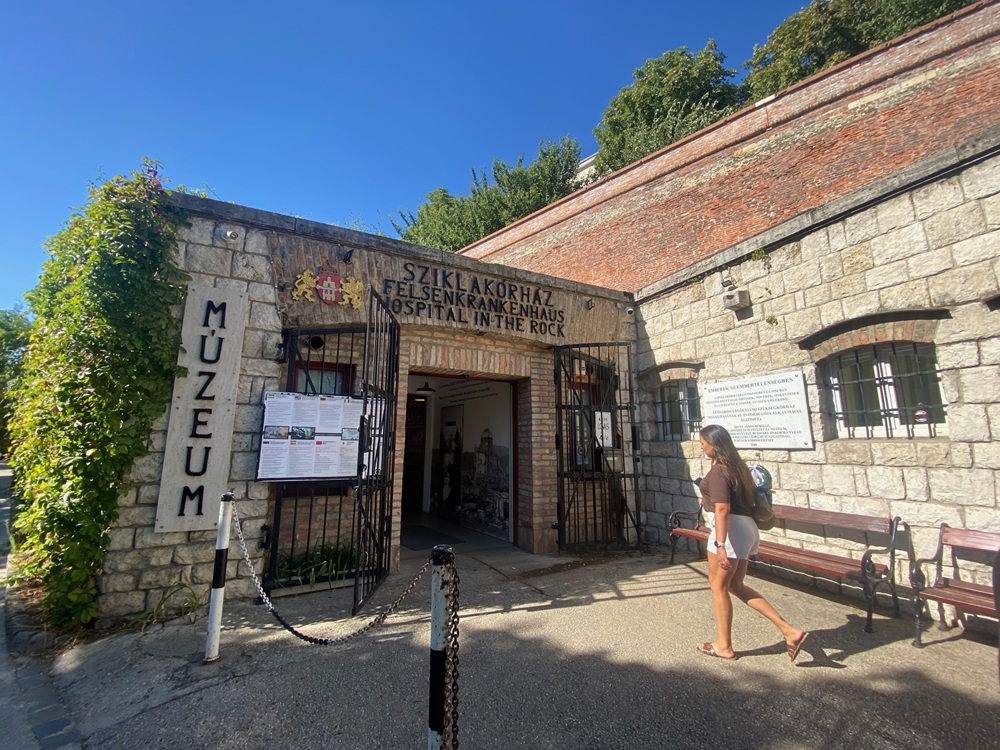
A B.C. writer draws historical lessons from museums that still apply in today’s troubled times.
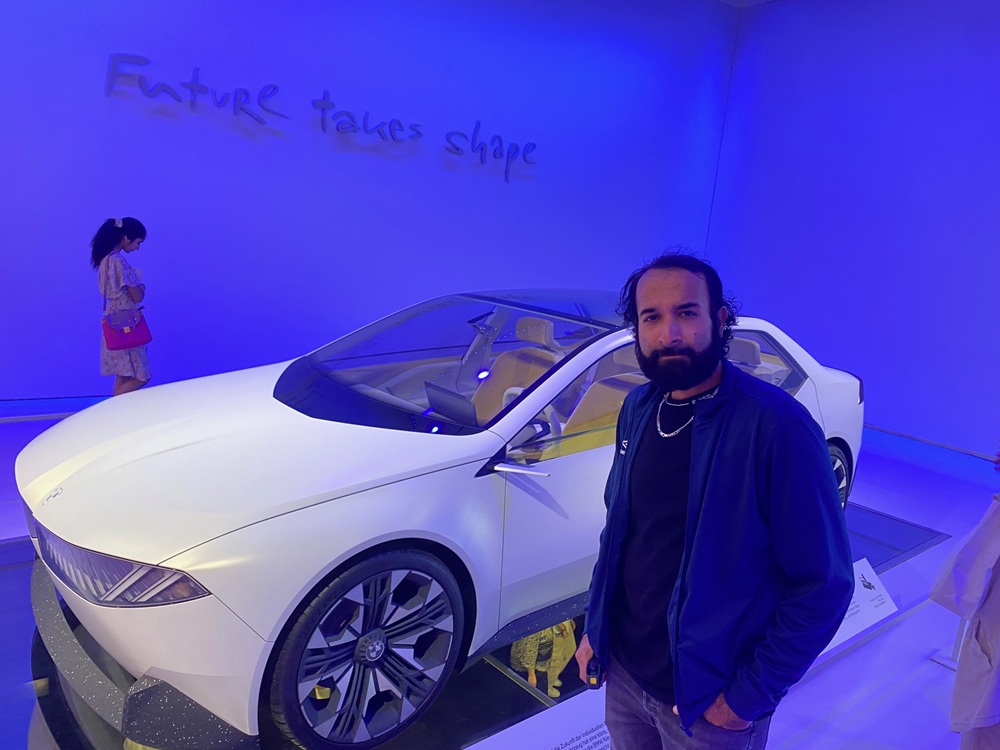
Kautak Singh (photographed at the BMW Museum) helped his parents make the most of their recent European vacation.
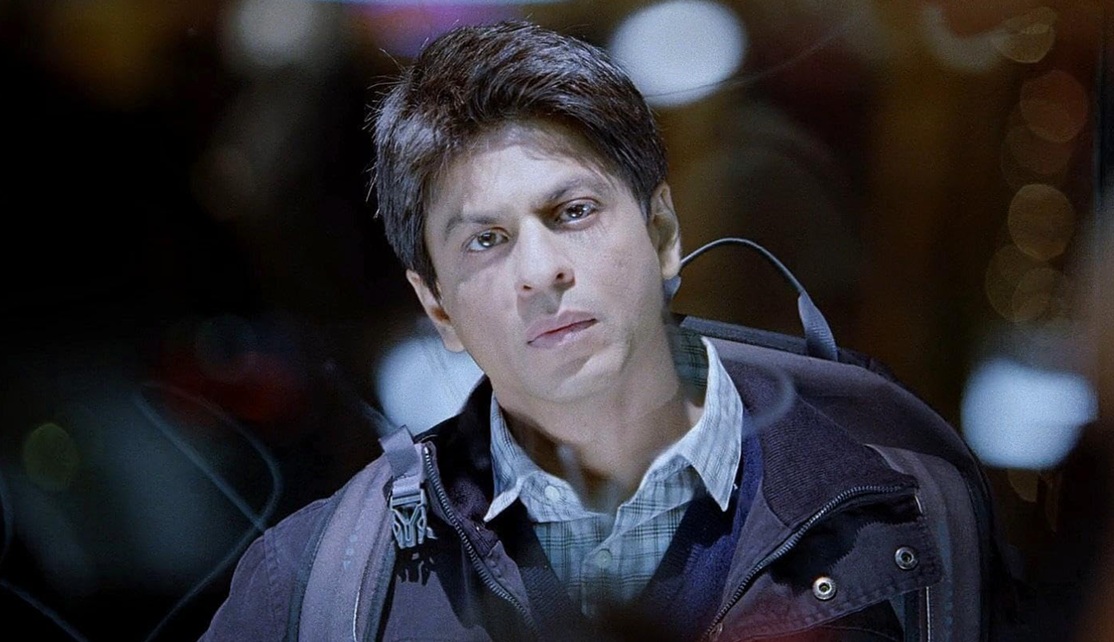
In My Name is Khan (2010), Bollywood superstar Shah Rukh Khan played a Muslim immigrant to the U.S. on the autism spectrum.
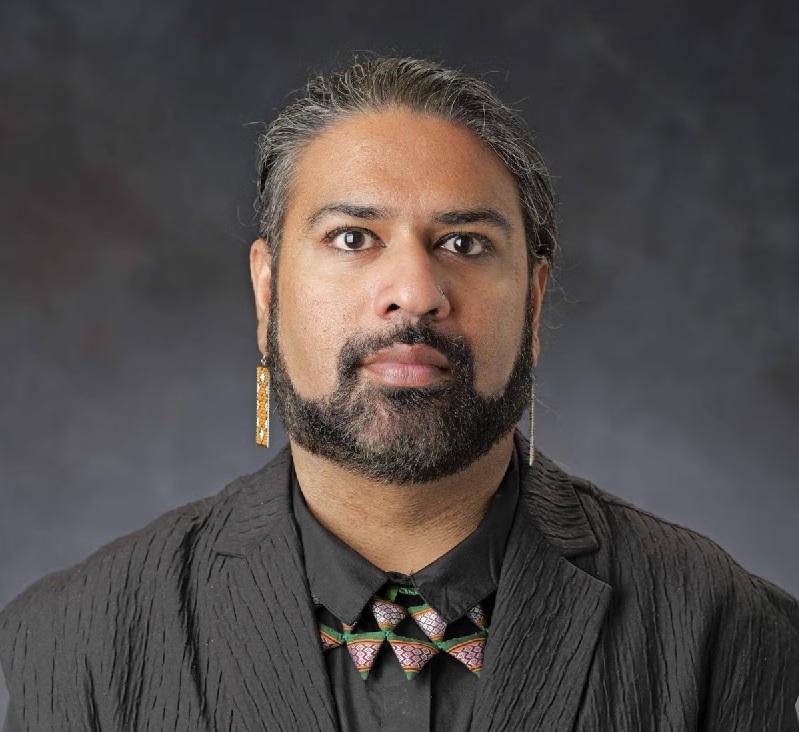
Upadhyay maintains in the book that some upper-caste immigrants perpetuate racial stereotypes.
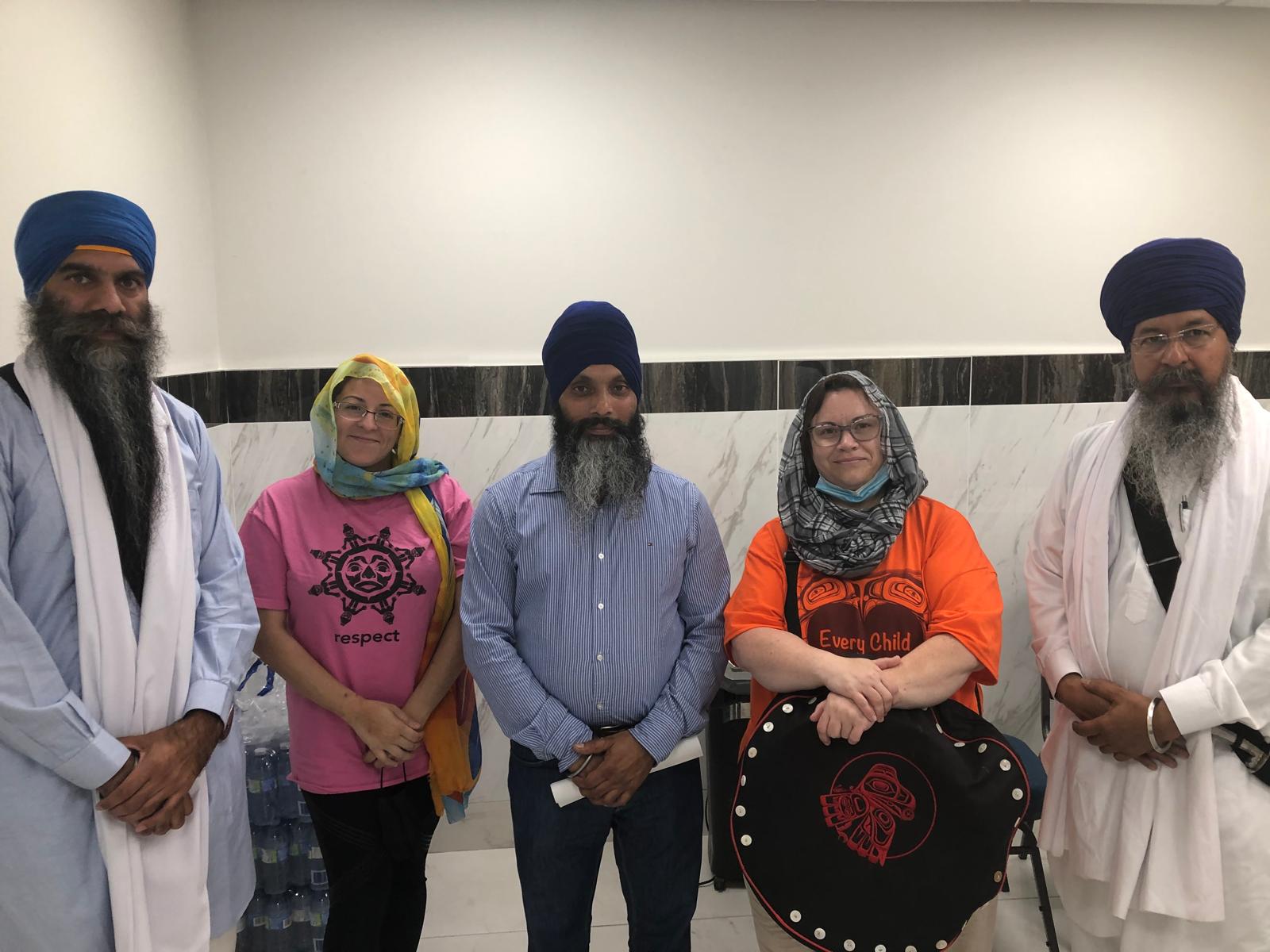
A B.C. journalist expresses his respect for Hardeep Singh Nijjar, who was shot dead outside a Surrey gurdwara in 2023.
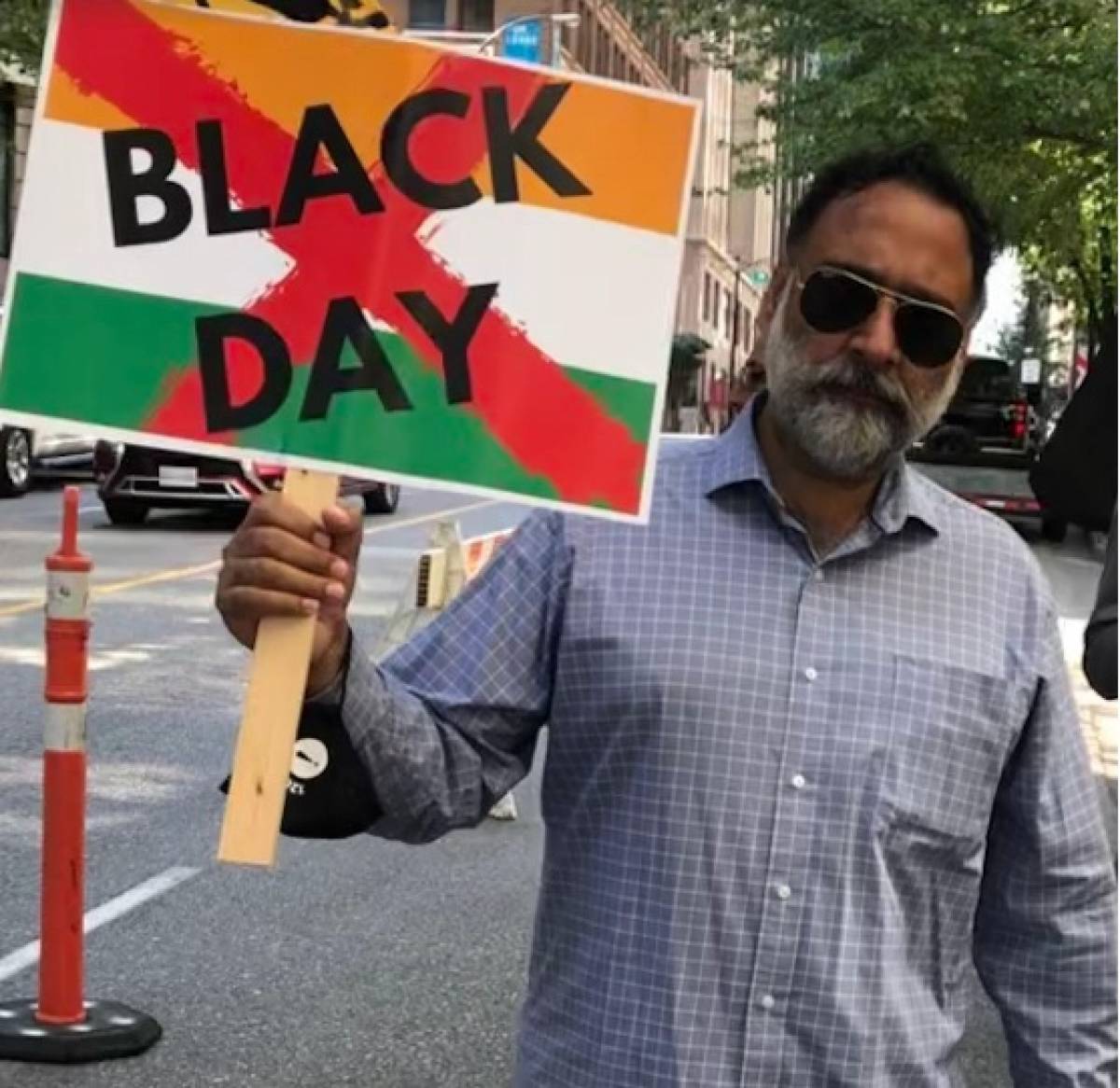
“I Am a Lost Indian” addresses the hypocrisy of India’s leaders, who embrace ideas rejected by framers of the constitution.

