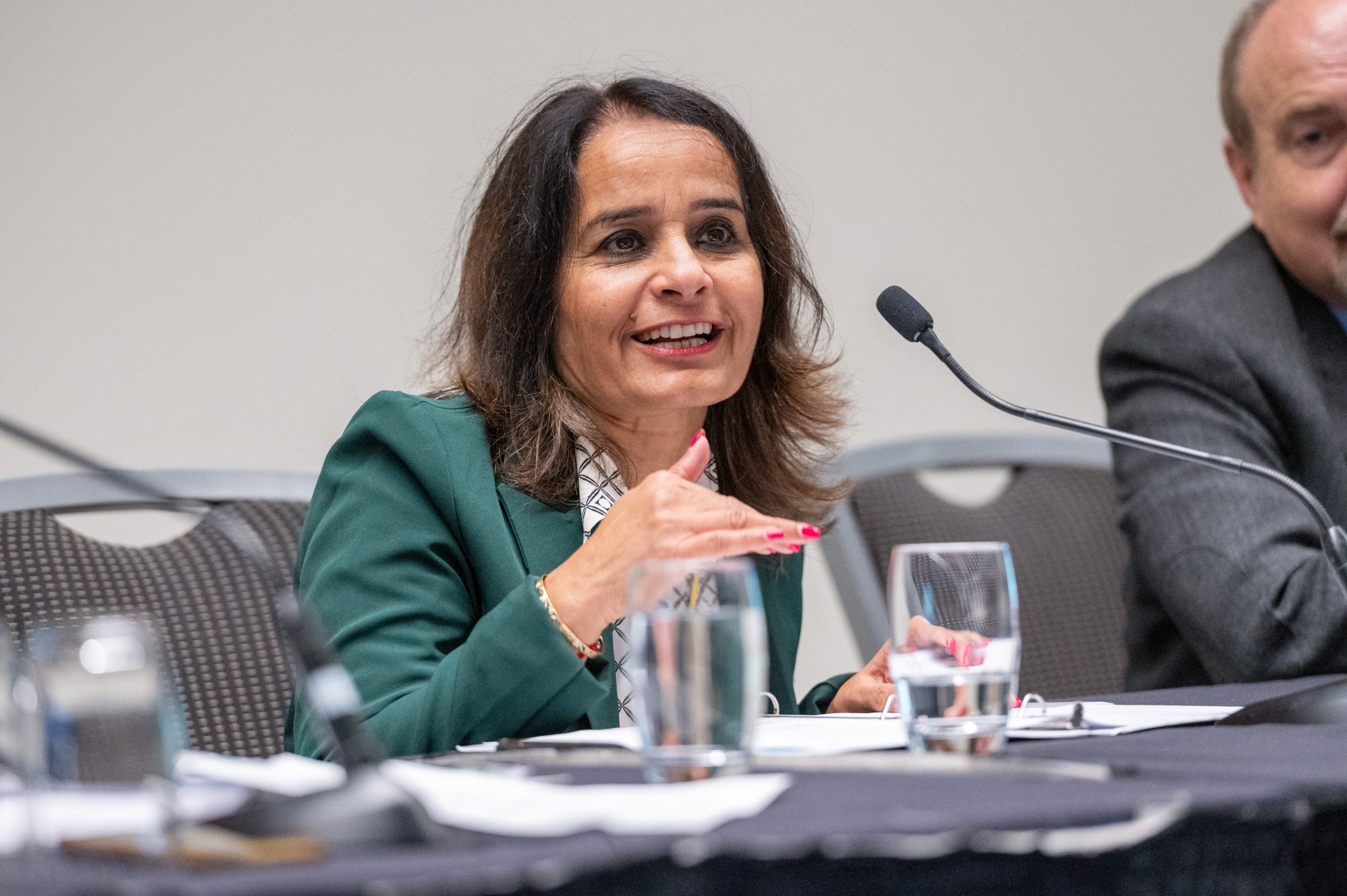
Gurpreet Singh: A poem
Gurpreet Singh is a B.C. broadcaster and author. He wrote this poem for his wife, Rachna Singh, after the recent U.S. election.

Gurpreet Singh is a B.C. broadcaster and author. He wrote this poem for his wife, Rachna Singh, after the recent U.S. election.

Parmar wrote 2025, a novel that depicts the growing threat of Hindu extremism in India under Prime Minister Narendra Modi.

After fighting for recognition of victims of the British Empire, Sahib Singh Thind didn’t want a medal in the name of King Charles III.
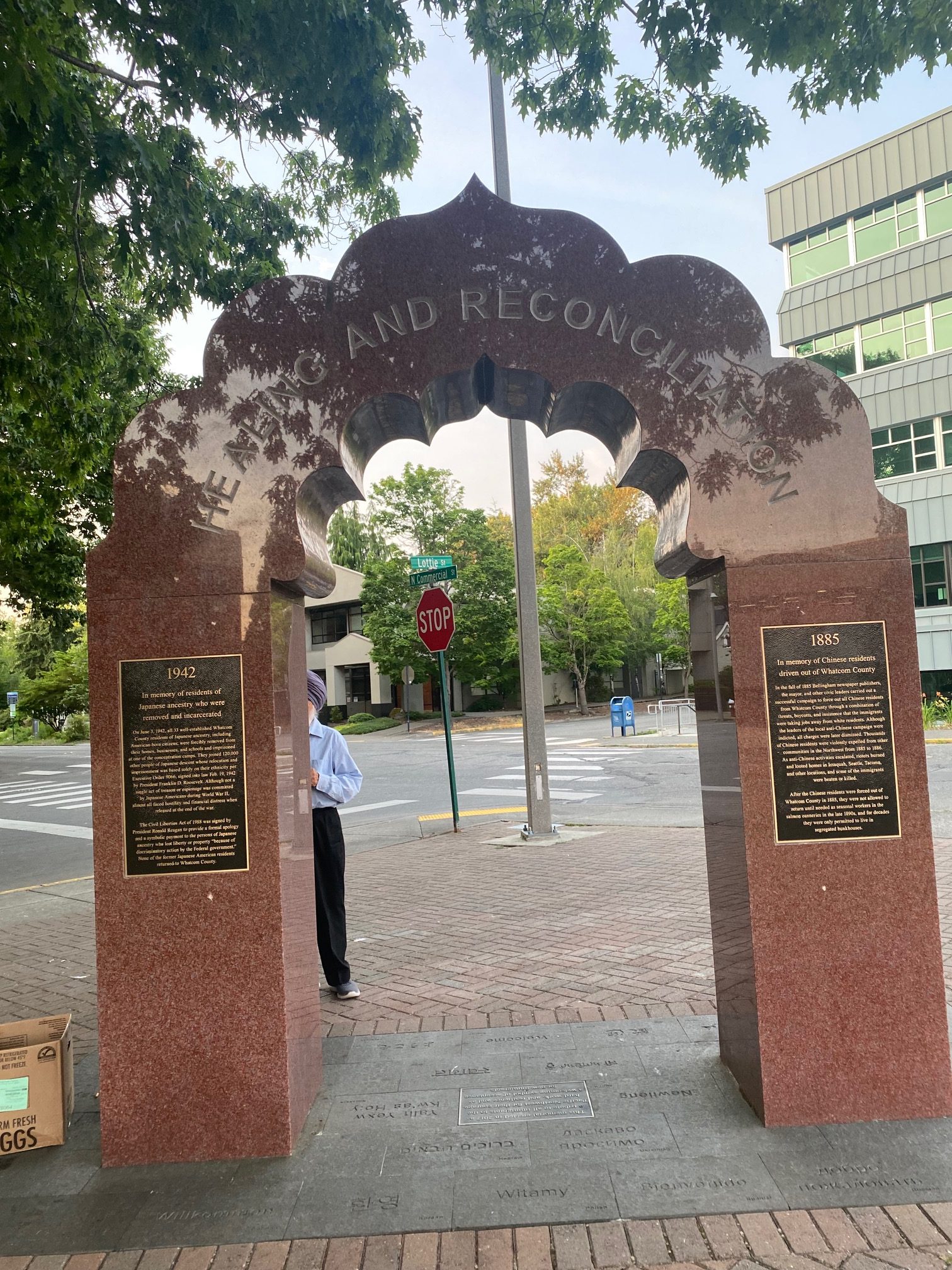
In Bellingham, this arch commemorates injustices meted out to Chinese, Hindu, Sikh, Muslim, and Japanese community members in the past.
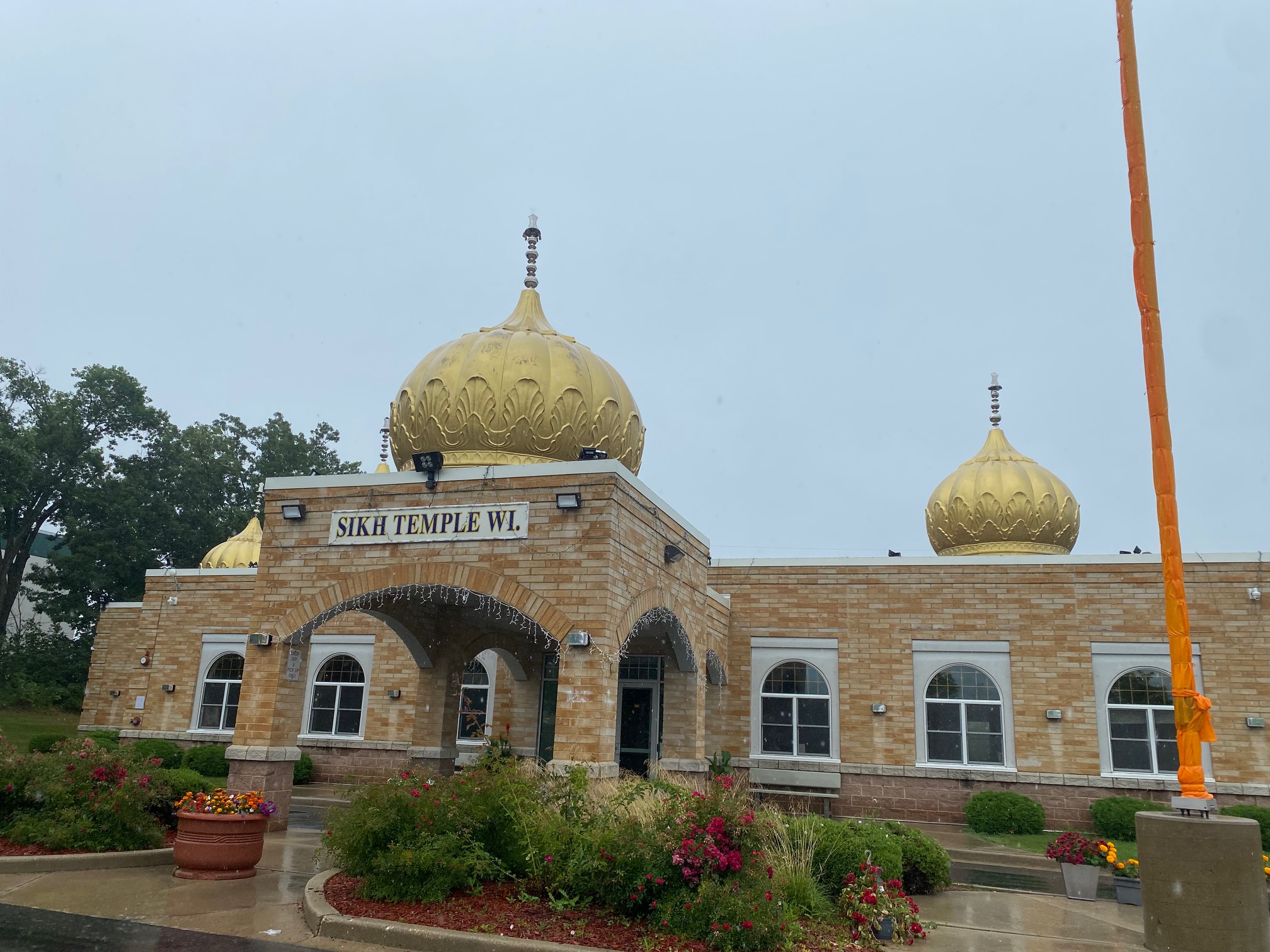
Following the 12th anniversary of the killing of seven Sikhs at a Wisconsin gurdwara, the ghost of mass murder still haunts the community.
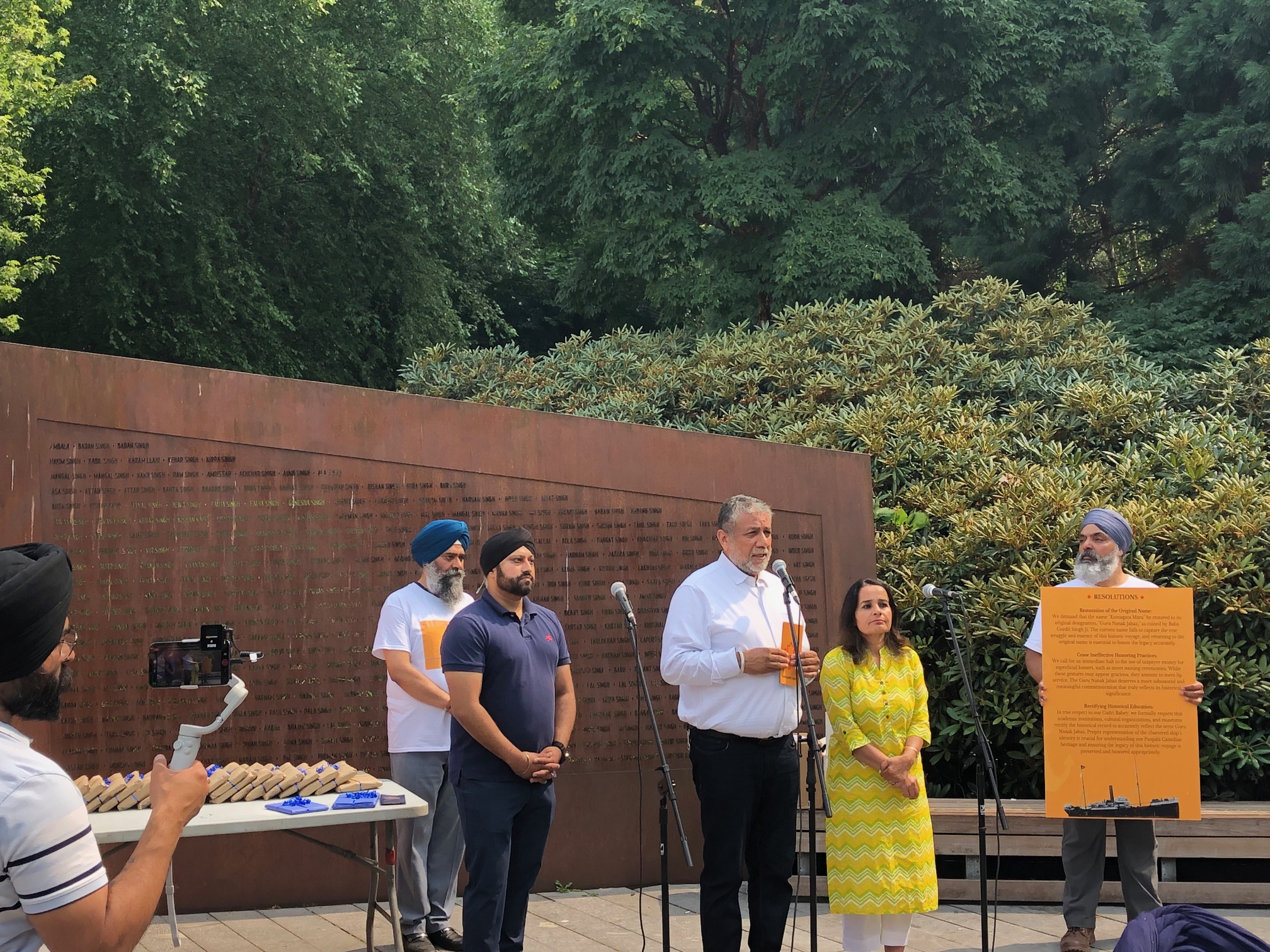
When Gurdit Singh chartered the Japanese vessel prior to travelling across the ocean to Vancouver, he called it the Guru Nanak Jahaz.

Painter Jarnail Singh (left) and Radical Desi director Gurpreet Singh (right) presented the Reconciliation Award to Gurpreet Singh Sahota.
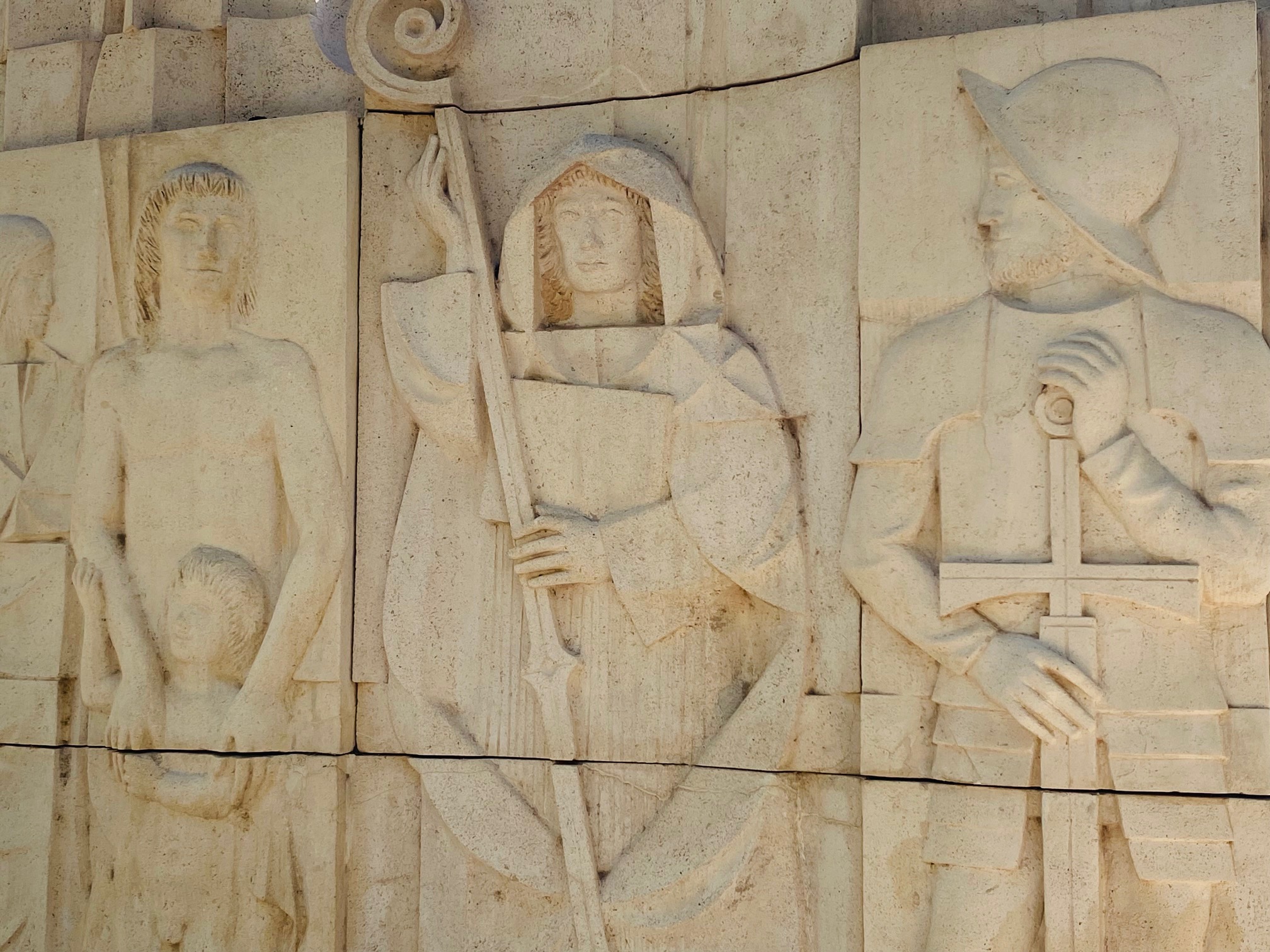
Bartolomé wrote The Devastation of the Indies, a firsthand account of repression of Indigenous peoples by Spanish conquerors.
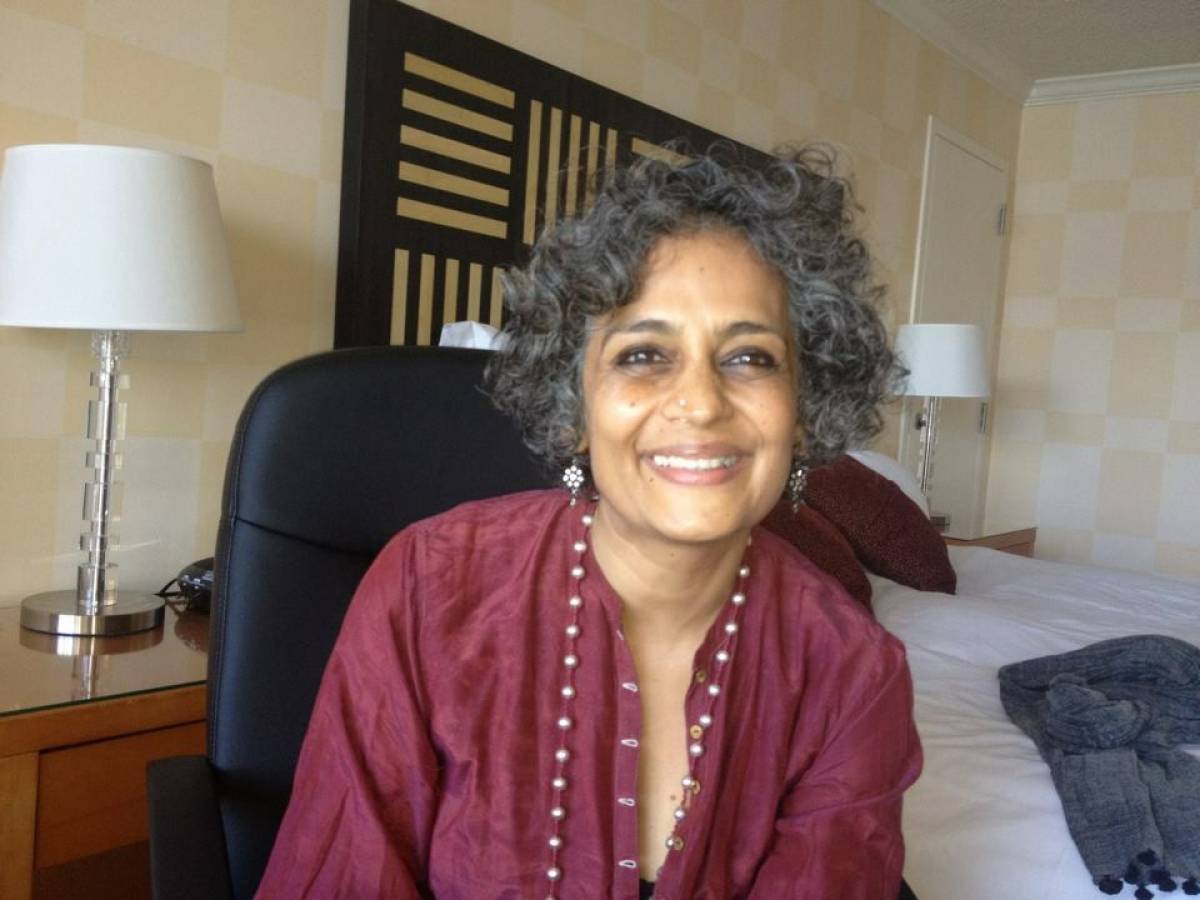
A B.C. writer makes the case for Roy being added to a Mattel club that already includes Maya Angelou and Rosa Parks.

The author of Why Mewa Singh Killed William Hopkinson thinks that a new museum should reflect a broad diaspora under a Sikh martyr’s name.

