
台灣客家歌手王喬尹將在 Jade Music Fest 演出
當台灣音樂人 Joyin Wang 王喬尹開始創作歌曲時,她寫的歌詞是英文。然而,現在她在自己的網站上自我介紹為「台灣的客家之聲」。王喬尹透過翻譯告訴《Pancouver》:「我創作客家歌曲的主要原因是,我覺得它能與我內心的自我產生更深的共鳴。」「我成長的客家村落在鄉間,具體來說,是在一個小小的山坡上。」

當台灣音樂人 Joyin Wang 王喬尹開始創作歌曲時,她寫的歌詞是英文。然而,現在她在自己的網站上自我介紹為「台灣的客家之聲」。王喬尹透過翻譯告訴《Pancouver》:「我創作客家歌曲的主要原因是,我覺得它能與我內心的自我產生更深的共鳴。」「我成長的客家村落在鄉間,具體來說,是在一個小小的山坡上。」
Wang writes music inspired by her rural upbringing in the hillside village of Nanzhuang in Miaoli County along Taiwan’s west coast.

The Jade Music Fest has invited artistic directors of several festivals to discuss this issue on Wednesday (November 6) at Performance Works.
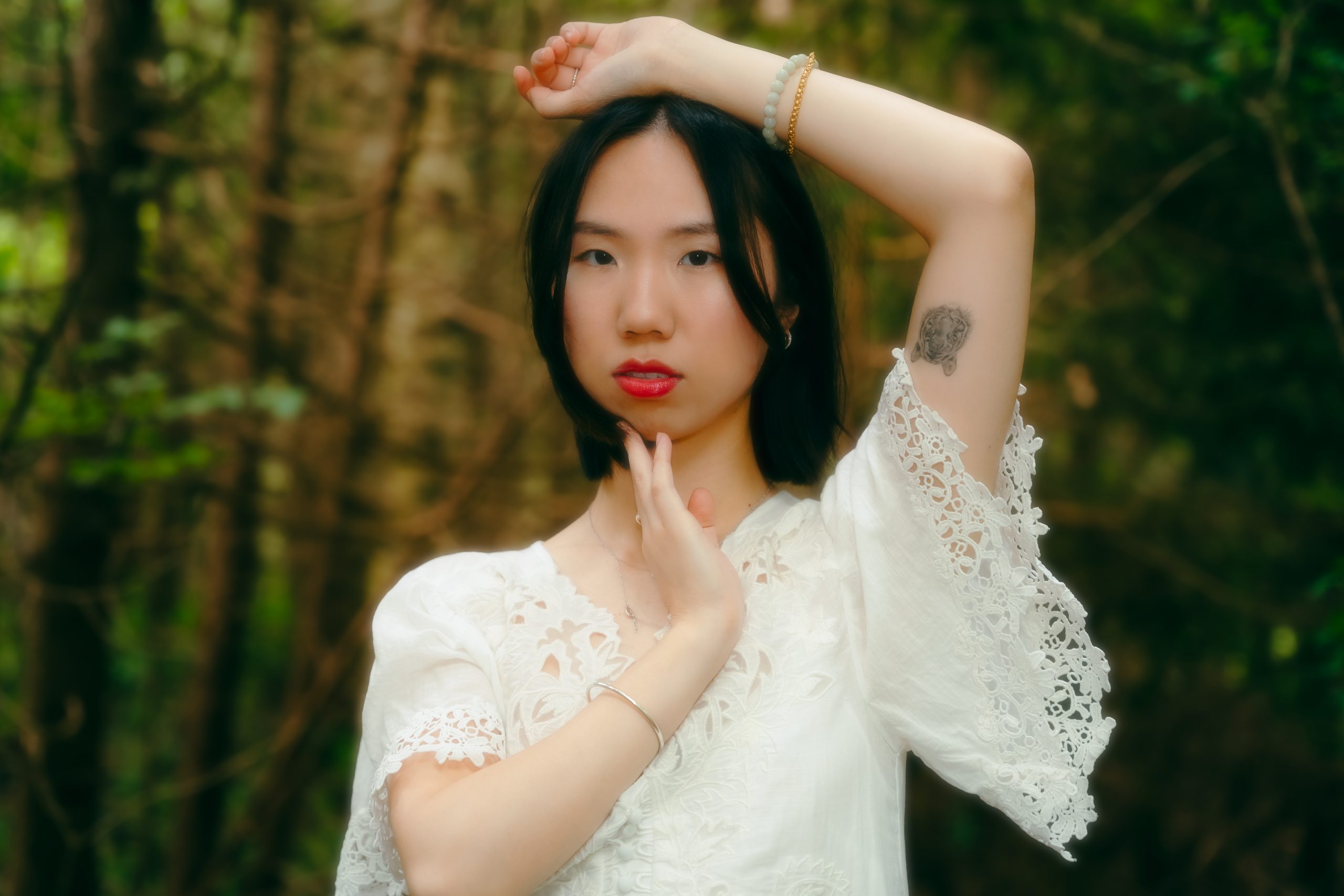
Teh thinks that lyrics forge a genuine connection when it feels like someone is speaking them directly to you.
鄭寶欣 (Jacqueline Teh) 表示,為了成為一名即興爵士歌手,她必須放下自我,也要放開害怕犯錯的恐懼。「我記得剛開始即興演唱時,幾乎有些尷尬。」來自多倫多的寶欣在 Zoom 上對《Pancouver》說。「那種感覺就像當你站起來做課堂報告,所有人都在看著你——你能感受自己在流汗,臉都紅了!」

Lew plans to unveil two original songs in Mandarin and will play one original song with half the lyrics in Cantonese at this year’s event.
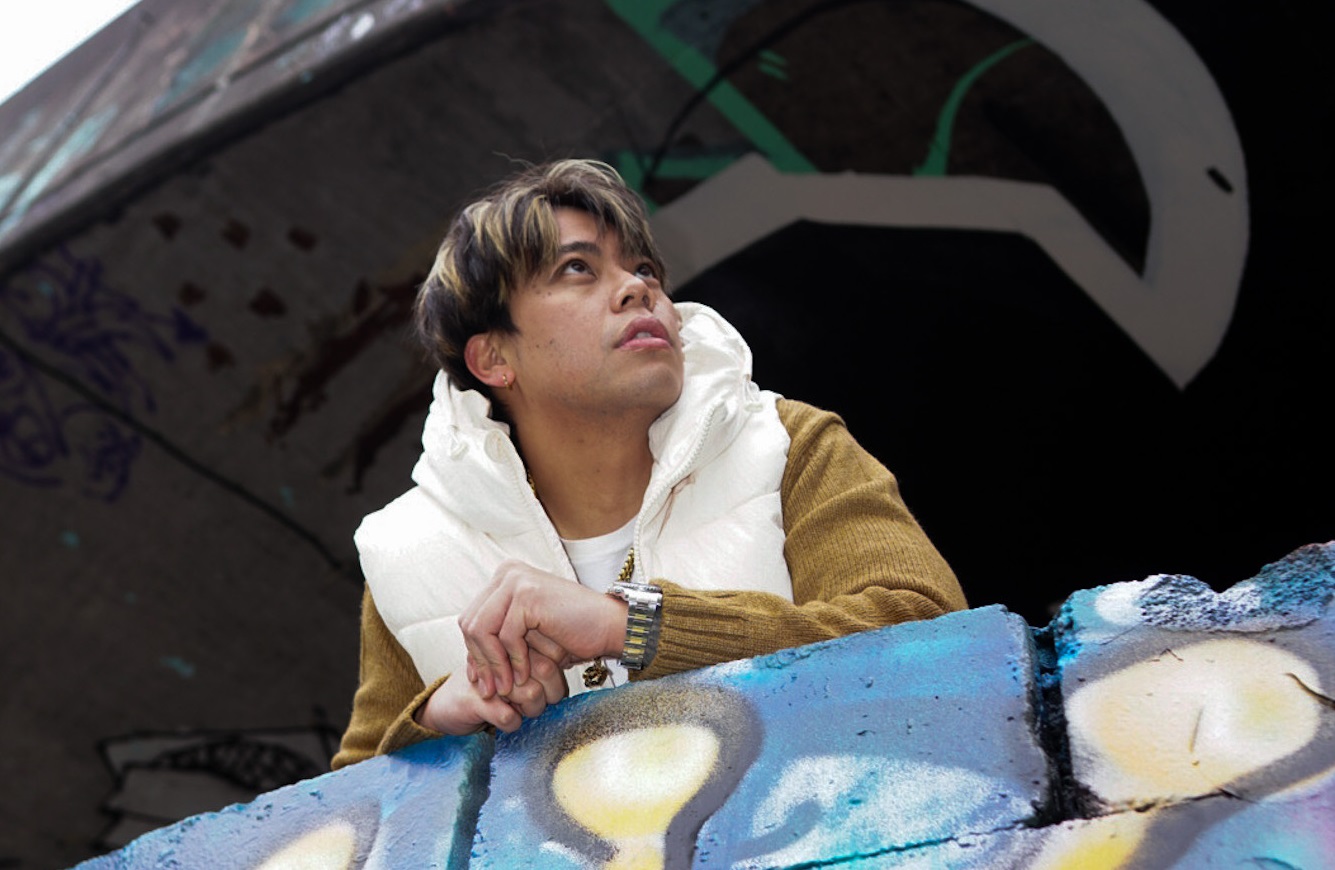
Raised in Burnaby, Arkieh used to tell people he was Chinese before embracing his Taiwanese Indigenous identity.
Kapa Arkieh 是位有著遠大夢想的溫哥華音樂家。作為一位富有魅力的表演者,他的目標是取得一定程度的成功,能使他為太平洋另一邊的原住民兒童改變世界。“我想利用音樂以及音樂帶來的資金,在台灣的村莊開設教育中心,” Arkieh 透過 Zoom 告訴 Pancouver。,“當我踏上這段旅程時,我意識到音樂確實救了我的命。”

Lewis says that after moving from Taiwan to Canada, music enabled her to express her sadness and longing for home.
多倫多創作歌手守維 (Chynna Lewis) 於 8 月底在 Harbourfront Centre 回到她的根基地。這位擅長抒情流行音樂與節奏藍調的歌手,在 TAIWANfest 多倫多「¡晒吶風! (¡Sinophone! Series!) 」系列中免費演出。

