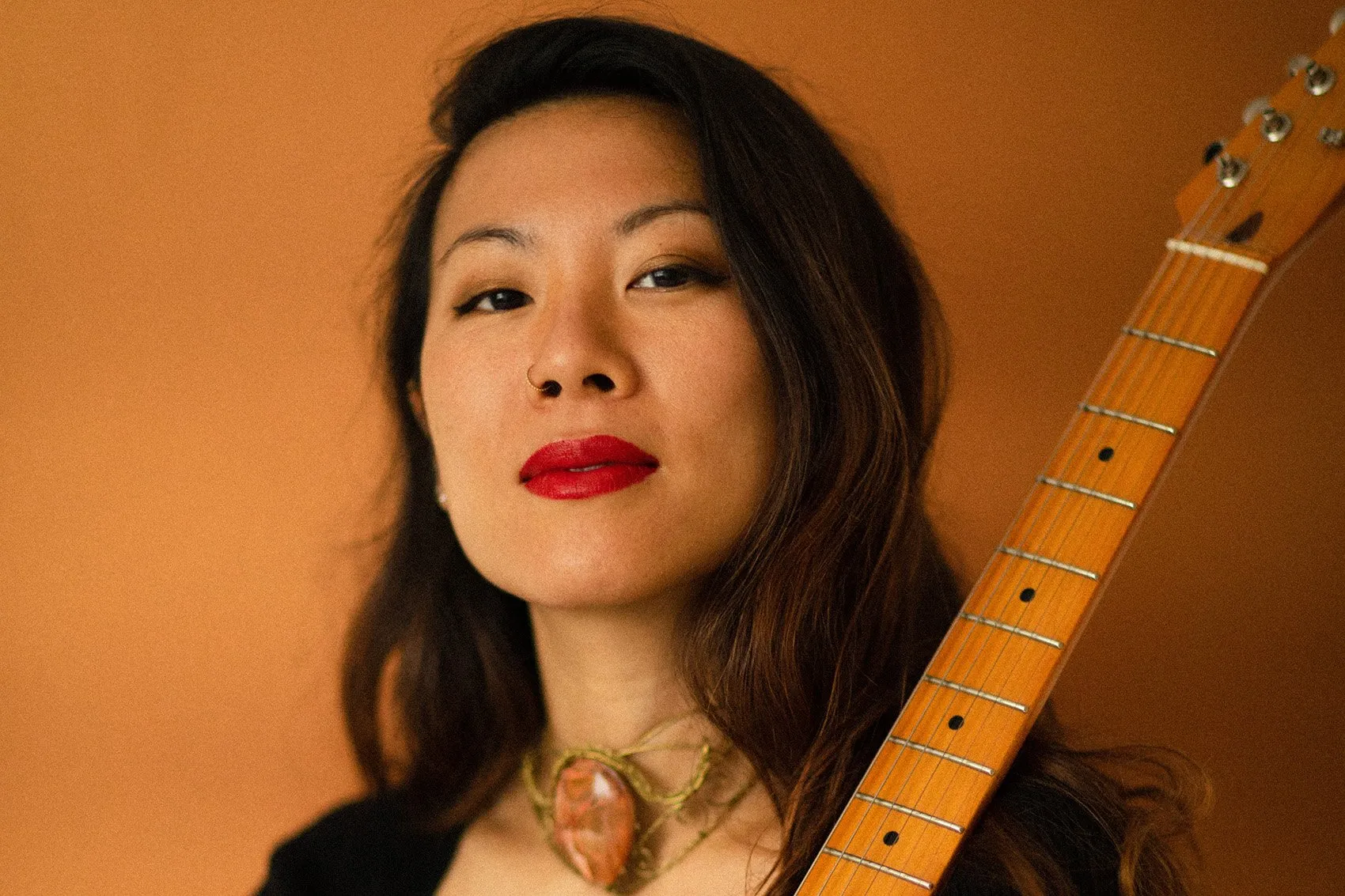
悅基在加拿大音樂產業中反思自身的中國與馬來西亞根源,分享動人故事
多倫多新靈魂音樂家悅基 (Eunice Keitan) 表示,她在北美並不符合傳統的亞洲敘事。在 Jade Music Fest 的一場深入訪談中,她透過故事分享、原創音樂、影片及照片,闡述了原因。

多倫多新靈魂音樂家悅基 (Eunice Keitan) 表示,她在北美並不符合傳統的亞洲敘事。在 Jade Music Fest 的一場深入訪談中,她透過故事分享、原創音樂、影片及照片,闡述了原因。
Keitan has come a long way from being a 14-year-old guitarist who felt she had to shield her Asian identity.

Sierra William, Loretta Jeff, and Chantu Williams sit with three of the 29 qatŝ’ay (coiled root baskets) back in Tŝilhqot’in territory.

While researching her PhD at UBC, Fong gained deep insights into how Chinese Canadian history is represented in museums.
Photographe et artiste de rue français JR a dit que “l’art n’est pas censé faire changer le monde – de changer des choses pratiques – mais de changer la perspicacité.” Une exemple frappante est Guernica de Pablo Picasso.
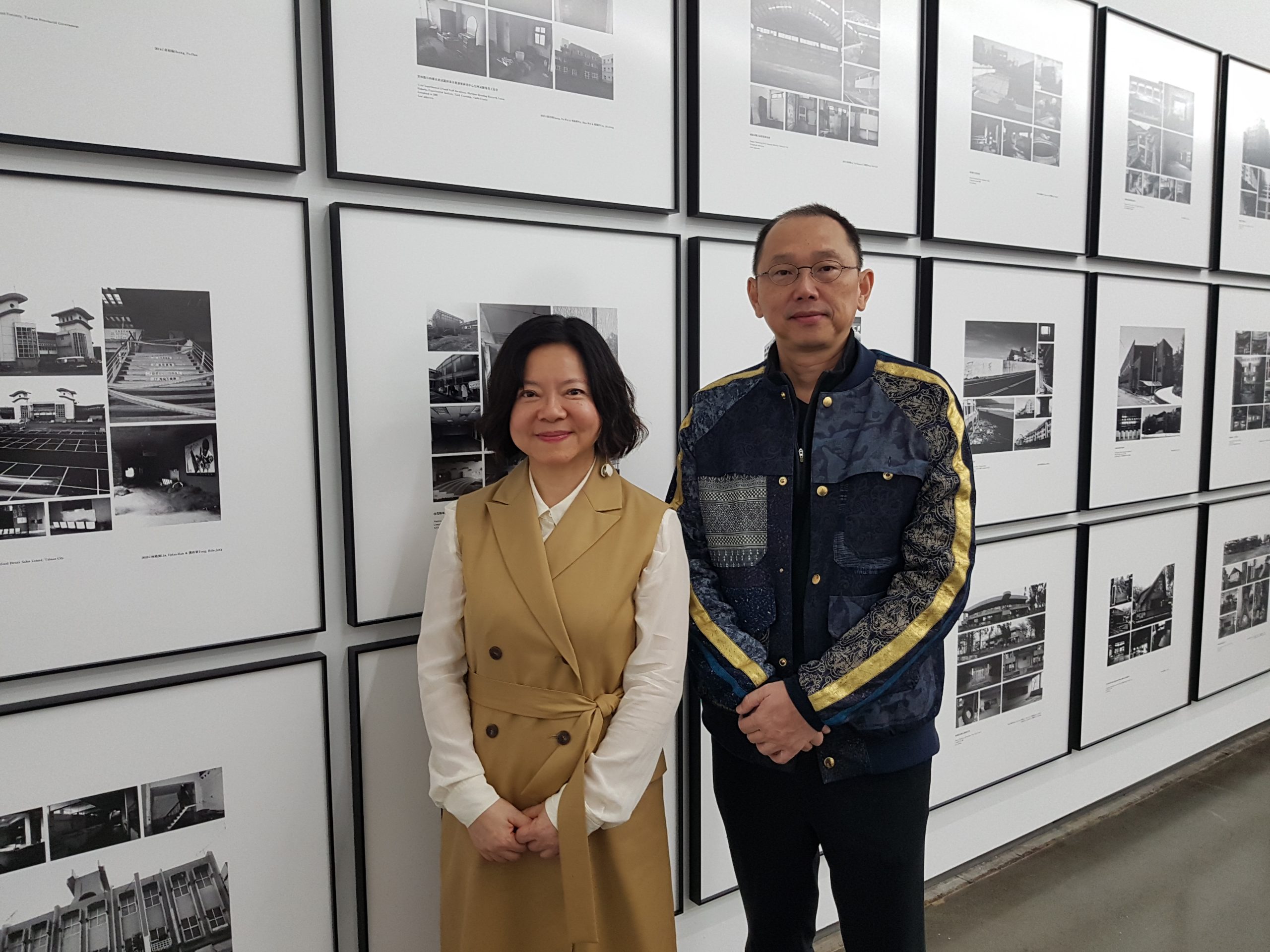
Documentary maker Sandy Lo and contemporary artist and photographer Yao Jui-Chung attended the opening of Mirage.
法国摄影师兼街头艺术家 JR 曾说过,「艺术不应该改变世界,改变实际事物,而应改变观念。」一个生动的例子是保罗·毕卡索(Pablo Picasso)的作品《格尔尼卡》(Guernica)。这幅令人震惊的画所描绘的苦难对人们如何看待西班牙内战有着深远影响。然而,这幅画并没有改变其结果。
法國攝影師兼街頭藝術家 JR 曾說過,「藝術不應該改變世界,改變實際事物,而應改變觀念。」一個生動的例子是保羅·畢卡索(Pablo Picasso)的作品《格爾尼卡》(Guernica)。這幅令人震驚的畫所描繪的苦難對人們如何看待西班牙內戰有著深遠影響。然而,這幅畫並沒有改變其結果。

在2010年,一位名叫姚瑞中 (Yao Jui-Chung) 的教授展开了一项非凡的艺术计划。这位居住在台北的教育家和艺术家给了他在台湾师范大学 (Taiwan Normal University) 美术系的学生一项抉择。
在2010年,一位名叫姚瑞中 (Yao Jui-Chung) 的教授展開了一項非凡的藝術計劃。這位居住在台北的教育家和藝術家給了他在台灣師範大學 (Taiwan Normal University) 美術系的學生一項抉擇。

