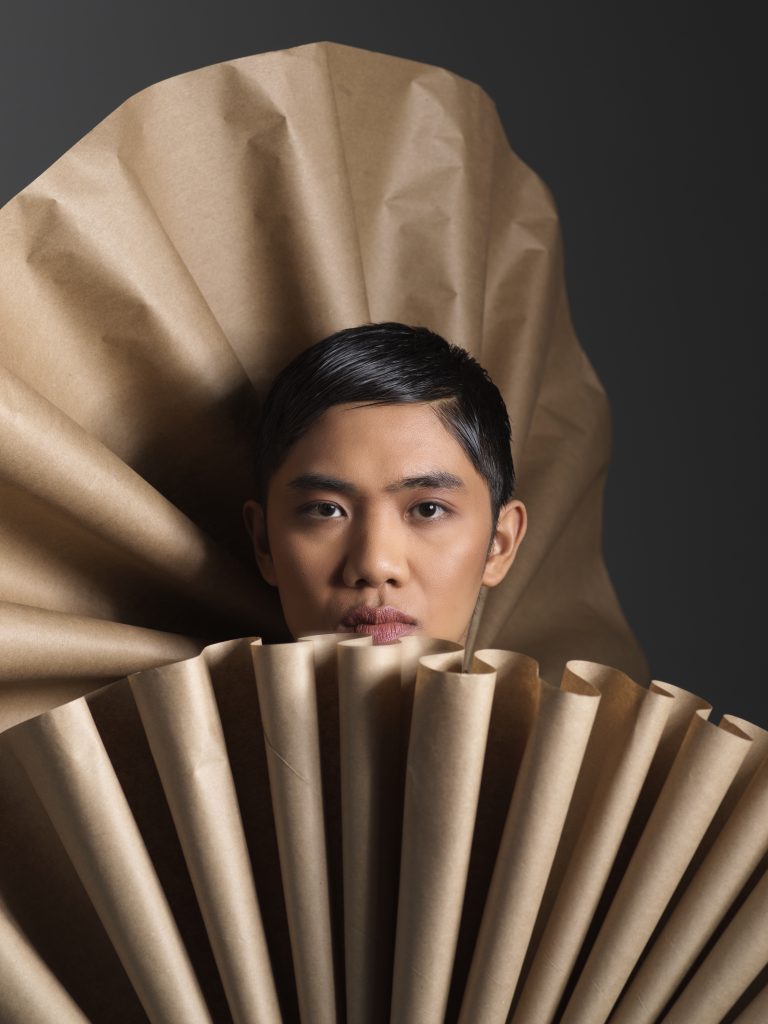
[Ralph Escamillan將在Dancing on the Edge音樂節上表演《Croquis》。照片由 David Cooper 提供。]
菲律賓裔加拿大編舞家 Ralph Escamillan 意識到舞蹈是一種短暫的藝術形式。但它的短暫性通常不會反映在服裝上,服裝會根據檔期需求被反覆使用。因此,身為FakeKnot藝術總監的他決定創作《Croquis》這個獨舞作品,本作中的服裝與演出本身一樣短暫。
他在《Croquis》中的服裝全是用紙製作的,當他穿著這套服裝表演時,其會被撕裂,然後,他會為下一場演出重新製作服裝。
“沒有膠水,沒有訂書針,沒有膠帶,” Escamillan 透過 Zoom 告訴 Pancouver,“全是紙。”
就連將這件飄逸的服裝固定在一起的繩子也是用包裝紙做的。 Escamillan 打算於週二(6 月 18 日)和週三(6 月 19 日)在 Dancing on the Edge 音樂節上表演《Croquis》。
“基本上,我把紙捲成線,然後縫在服裝上,” 他解釋道,“它本身而成了一個可完全回收的物體。”
Escamillan 利用他在街舞,現代舞和佛朗明哥舞方面不同的經驗,在舞台上將《Croquis》表演得栩栩如生。實際上,他藉由表演將舞蹈的短暫性與紙服裝相提並論。
“甚至連我穿著紙服裝來表演的方式每天都有變化,” Escamillan 繼續說,“所以,每場演出都靠臨場發揮。”
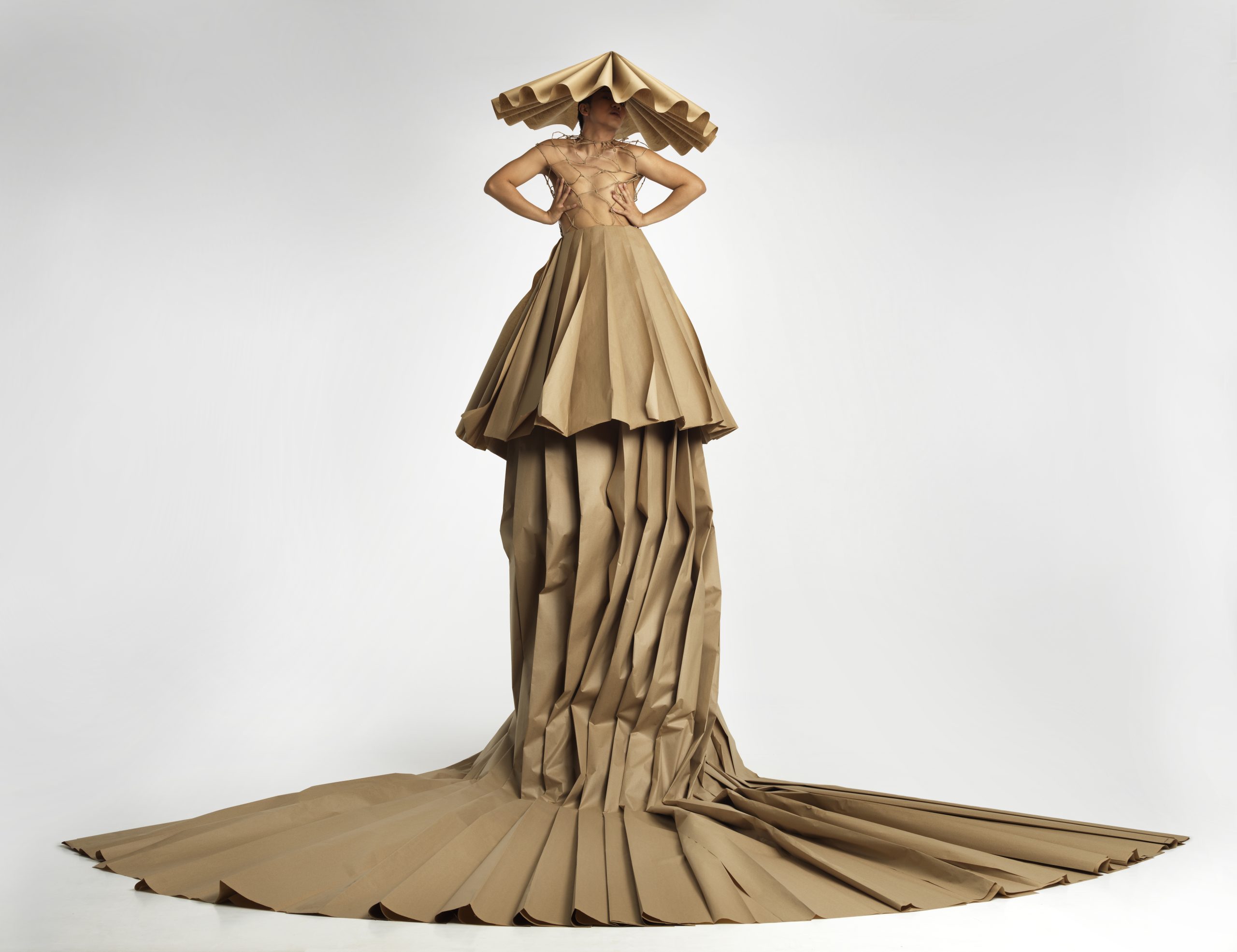
[Ralph Escamillan 的藝術風格是將大量注意力集中在紡織品上。照片由 David Cooper 提供。]
《Croquis》帶來的驚喜
「Croquis」是一個法語術語,用來描述一件衣服的設計草稿或草圖。他指出,紙服裝為表演的環繞電音增添效果。
“我們都知道紙片發出的摩擦聲聽起來像什麼,” Escamillan 說,“能在整部作品過程中保持這個摩擦聲是靠作品背後的鑽研。”
據 Escamillan 的說法,紙片的摩擦聲增加了ASMR 體驗,並映襯節拍器產生的節拍。事實上,他把這套服裝當成他的舞伴,因為他需要專注傾聽它的聲音。
過去在他表演《Croquis》時,曾有過一些驚喜,Escamillan 回憶起去年在安省愛德華王子縣的一場大雨中,他是如何穿著紙服裝繼續跳舞的。在另一場表演中,紙服裝變成了 bata de cola 的形狀,一條巨大的佛朗明哥裙。
還有一次,風把他身上的紙服裝吹落到舞台下,導致演出終止。
“當你行走於即興創作的世界時,就會發生這種魔幻的事,“ Escamillan 斷言。
《Croquis》是 Escamillan 在作品中使用紡織品的興趣的一種延伸,將其作為他藝術風格的核心部分。這點體現在他廣受好評的《PIÑA 》中,其中他展示了一種由菠蘿葉製成的菲律賓天然纖維紡織品。去年在 SFU Woodward 劇院首演後不久,Escamillan 獲得了首屆 RBC 新銳藝術家獎。
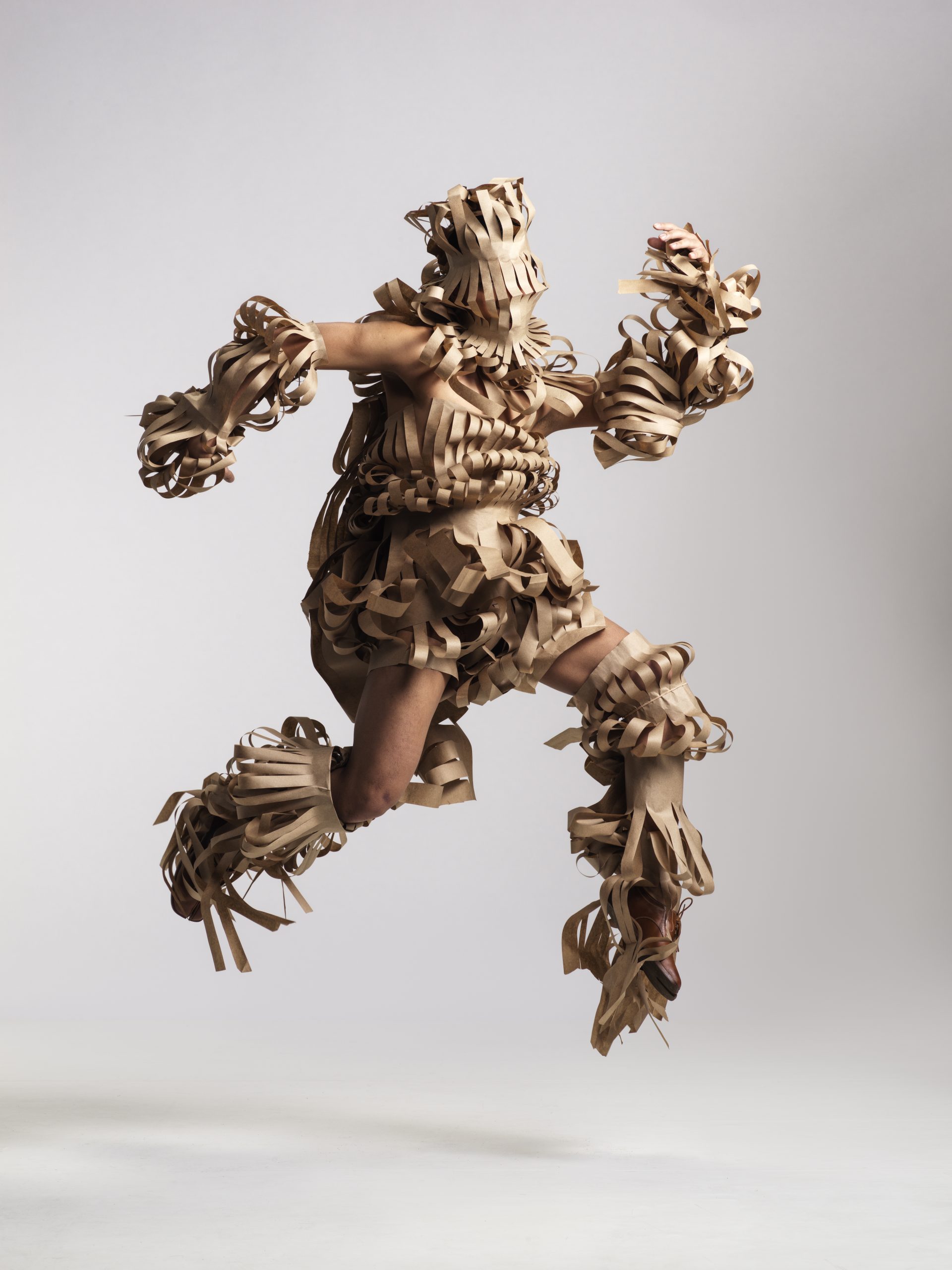
[Ralph Escamillan 在每次表演完《Croquis》後都會更換他的紙服裝。照片由 David Cooper 提供。]
對大帆船貿易航線產生興趣
自去年以來,他一直接受國家藝術中心退休舞蹈製作人Cathy Levy的舞蹈創作指導。她正在幫助 Escamillan 實現他的目標:支持其他像他一樣未被充分代表的藝術家,以便他們也能夠在大型場館表演。
“這讓我充滿動力,” Escamillan 說,“我認為我在生活中是一個非常謙虛的人,我認為讓我保持謙遜及腳踏實地的性格的東西是我參與的舞室社區。”
Escamillan 強調菲律賓文化非常重視美學。因此,不足為奇,像他和 Alvin Tolentino 這樣的菲律賓裔溫哥華編舞家在他們的藝術風格中強調服裝製作這一過程。
身為 FakeKnot 的藝術總監,Escamillan 已經在考慮在未來製作一款模仿 kusikas(菲律賓編織法)的服裝。隨著他在佛朗明哥舞界中的進步,他也嘗試學西班牙語。

[馬尼拉的牌匾用來紀念歷史悠久的大帆船貿易航線。照片 Ramon F. Valesquez 由提供。]
Escamillan 承認,由於大帆船貿易航線,他感覺他與墨西哥有著緊密的聯繫。在16世紀至19世紀的殖民時期,西班牙商船從菲律賓縱橫太平洋到達墨西哥,用運過去的亞洲貨物與西班牙管轄的北美地區換取白銀。
當 Escamillan 深入研究這個主題時,他了解到 pañuelo(一種菲律賓刺繡圍巾),其設計靈感其實來自於三角形 manton,一種在佛朗明哥舞中使用的西班牙式披肩。
“透過大帆船貿易航線,菲律賓,墨西哥和西班牙之間存在著緊密的聯繫,一個真正的三角關係,” Escamillan 說道。
閱讀原文 >> 點此連結