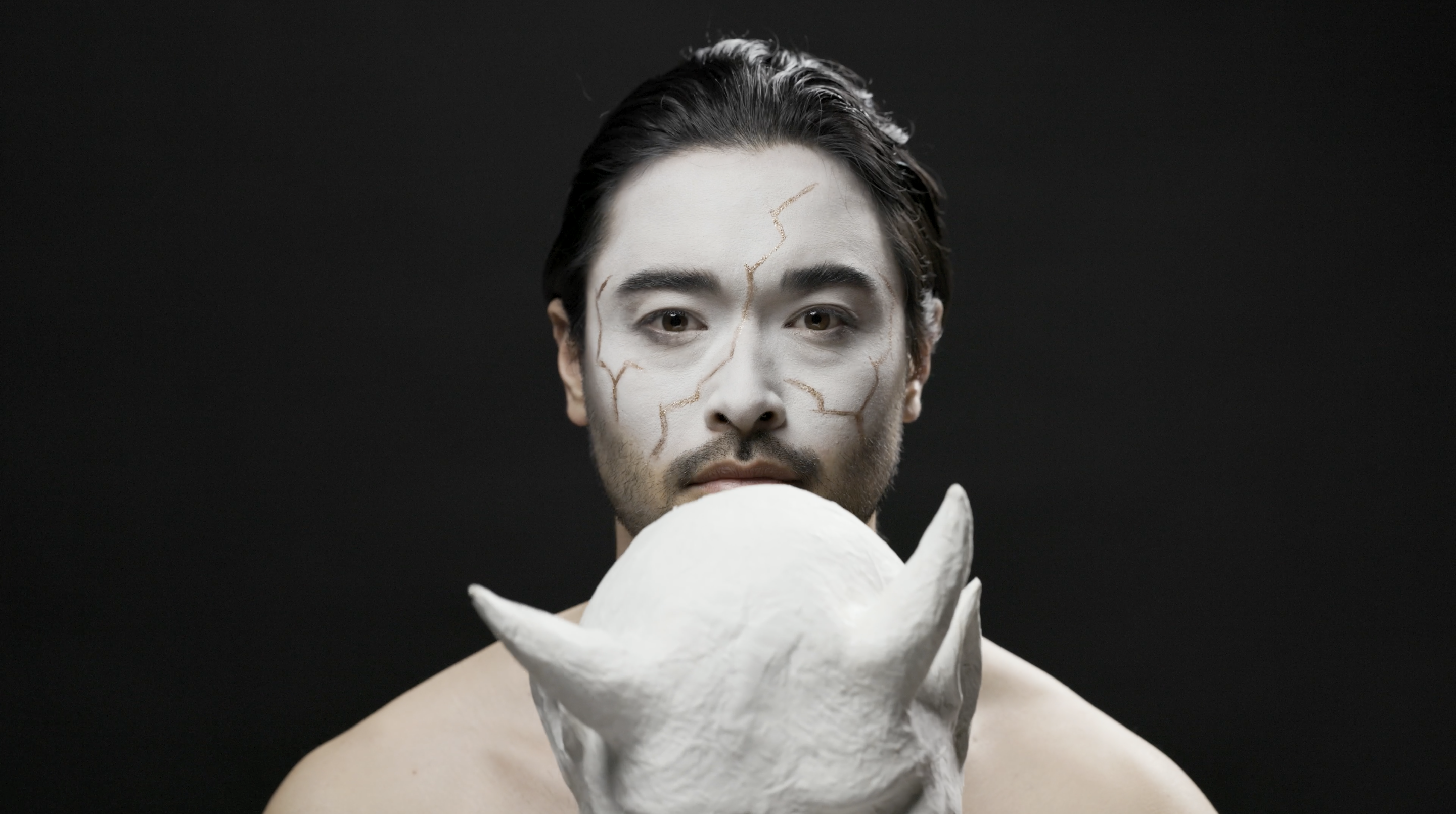
会多语的男中音Luka Kawabata在《The Hafu ハーフProject》中踏上身分之旅
去年夏天,日裔加拿大男中音 Luka Kawabata 以为名为《The HafuハーフProject》三部曲的数码艺术品已完工,这位温哥华歌剧歌手兼制作人在他所驻的Pacific Opera Victoria歌剧团完成了三部曲的最新一章《希望》(kibou)。但后来,City Opera Vancouver歌剧团联系了他,希望将他的短片系列改编成现场演出。

去年夏天,日裔加拿大男中音 Luka Kawabata 以为名为《The HafuハーフProject》三部曲的数码艺术品已完工,这位温哥华歌剧歌手兼制作人在他所驻的Pacific Opera Victoria歌剧团完成了三部曲的最新一章《希望》(kibou)。但后来,City Opera Vancouver歌剧团联系了他,希望将他的短片系列改编成现场演出。

对于卑诗省过往的音乐家而言,在 1986 年温哥华世博会上演出,曾被视为职业生涯的高光时刻。而融合民谣创作歌手 Ginalina(林佳君),也很快将把自己在日本世博会的演出,视为一个难忘的音乐时刻。
對於卑詩省過往的音樂家而言,在 1986 年溫哥華世博會上演出,曾被視為職業生涯的高光時刻。而融合民謠創作歌手 Ginalina(林佳君),也很快將把自己在日本世博會的演出,視為一個難忘的音樂時刻。

近年来,格雷格·吴已成为温哥华最受欢迎的影片剪辑师之一。他的作品涵盖从恐怖片,电视剧到纪录片等各种类型,包括《长腿》,《史蒂芬·金之猴子》(The Monkey),《鸦骨》(Bones of Crows: The Series)和《灰熊真貌》(The Grizzlie Truth)等。他还参与剪辑了《圣徒与勇士》(Saints and Warriors),该片将于今年在多伦多Hot Docs电影节和温哥华的 DOXA 纪录片电影节上放映。
近年來,格雷格·吳已成為溫哥華最受歡迎的影片剪輯師之一。他的作品涵蓋從恐怖片,電視劇到紀錄片等各種類型,包括《長腿》,《史蒂芬·金之猴子》(The Monkey),《鴉骨》(Bones of Crows: The Series)和《灰熊真貌》(The Grizzlie Truth)等。他還參與剪輯了《聖徒與勇士》(Saints and Warriors),該片將於今年在多倫多Hot Docs電影節和溫哥華的 DOXA 紀錄片電影節上放映。

在安东·契诃夫(Anton Chekhov)1895 年的戏剧《海鸥》中,一个名叫康斯坦丁的角色说出了一句如今广为人知的话,为了表达对怀抱演员梦的妮娜的爱,康斯坦丁宣称:“我亲吻你走过的土地。”
在安東·契訶夫(Anton Chekhov)1895 年的戲劇《海鷗》中,一個名叫康斯坦丁的角色說出了一句如今廣為人知的話,為了表達對懷抱演員夢的妮娜的愛,康斯坦丁宣稱:“我親吻你走過的土地。”
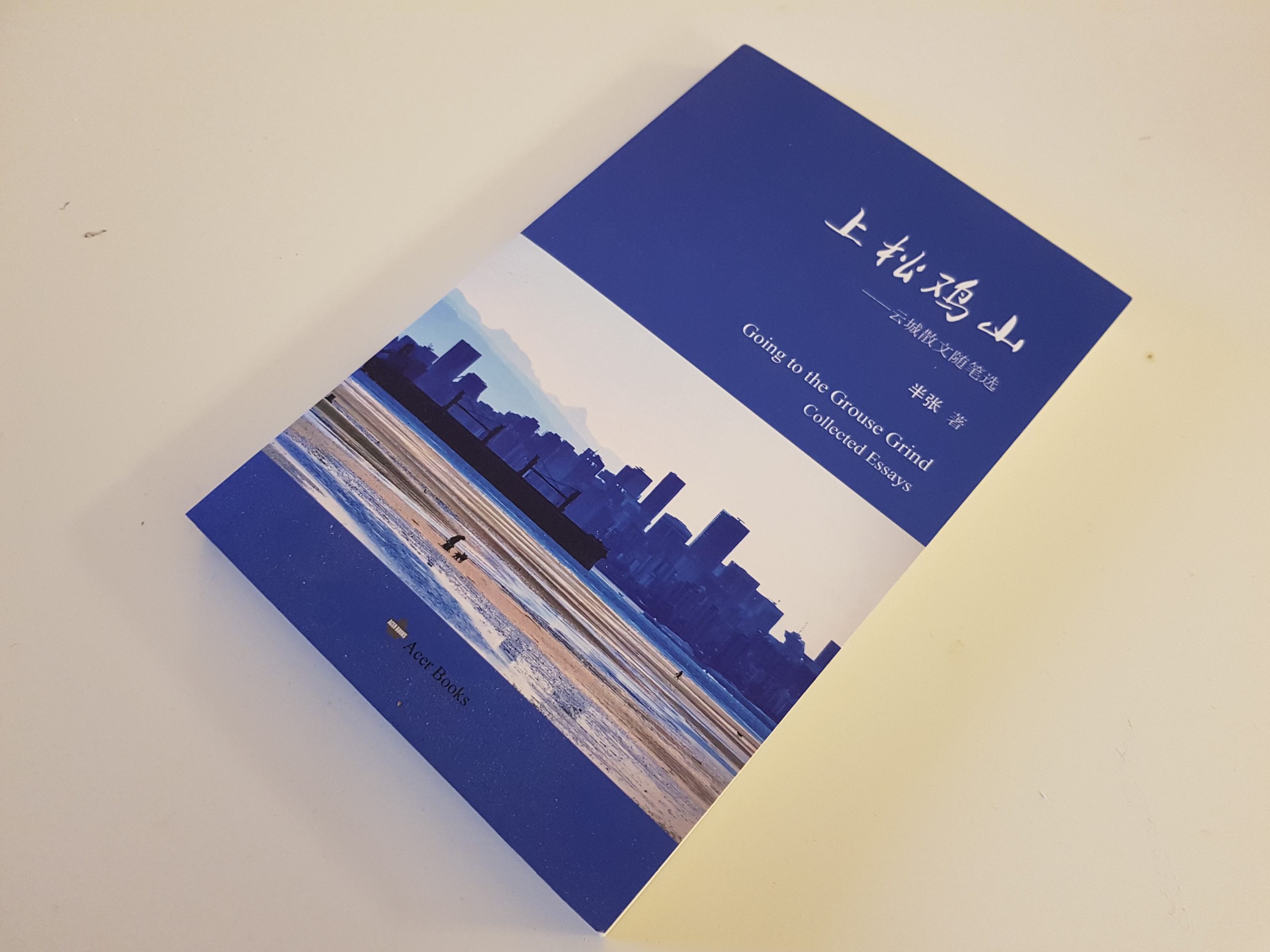
溫哥華作家半張出生於上海,在溫哥華生活了近 25 年。自移民以來,他積極參與志願服務,幫助其他中國移民適應加拿大的生活。此外,半張還為《Voices & Bridges》,《Pancouver》和《Georgia Straight》等刊物撰寫文章。
温哥华作家半张出生于上海,在温哥华生活了近 25 年。自移民以来,他积极参与志愿服务,帮助其他中国移民适应加拿大的生活。此外,半张还为《Voices & Bridges》,《Pancouver》和《Georgia Straight》等刊物撰写文章。

许多时候,我觉得书评在揭示作者的同时,也能反映出评论者的想法。考虑到这一点,我不会对 Minelle Mahtani 的《May It Have a Happy Ending: A Memoir of Finding My Voice as My Mother Lost Hers》进行深入评论。Mahtani 是 UBC加拿大研究学系主任,她的故事不需要通过与她生活经验截然不同的白人男性记者的视角来诠释

