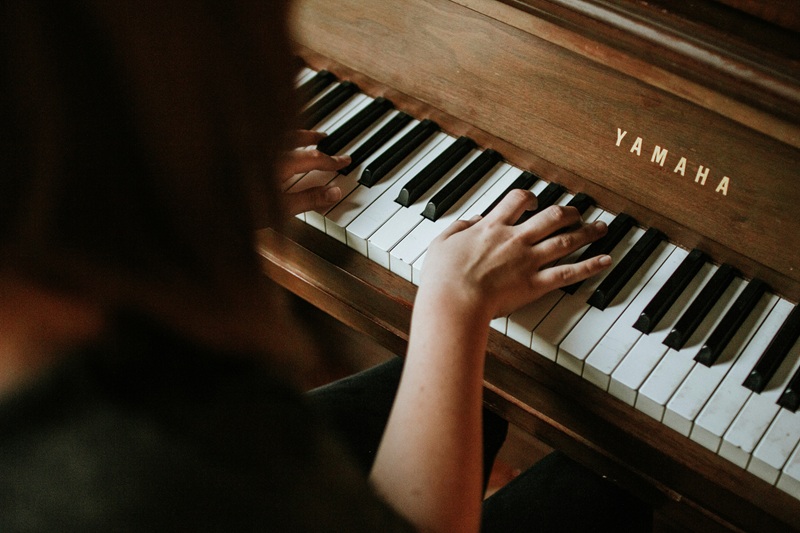
In the age of AI, human creative output is becoming a luxury
The “AI disclosure penalty” reminds us that the consumption of art is not tied to purely aesthetic considerations.

The “AI disclosure penalty” reminds us that the consumption of art is not tied to purely aesthetic considerations.
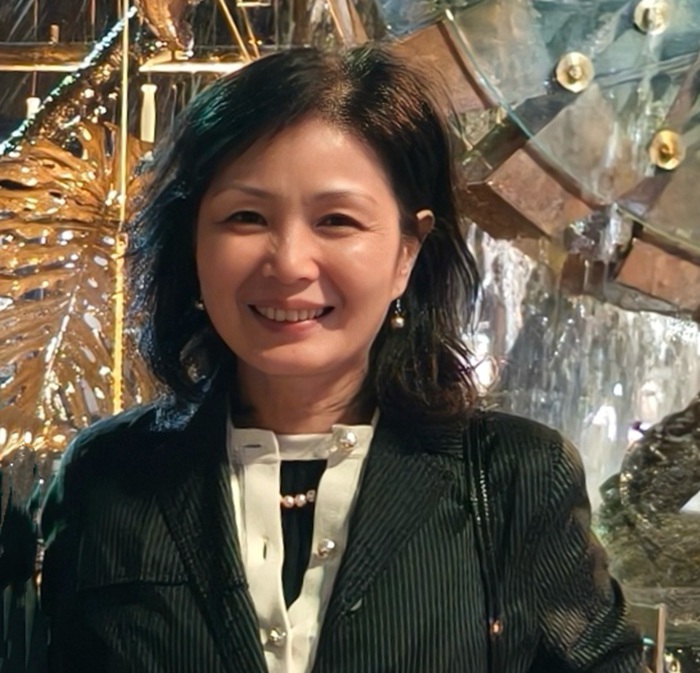
In this poem, storms, leaves, and the changing seasons are not merely landscapes of nature, but metaphors for a mother’s life.
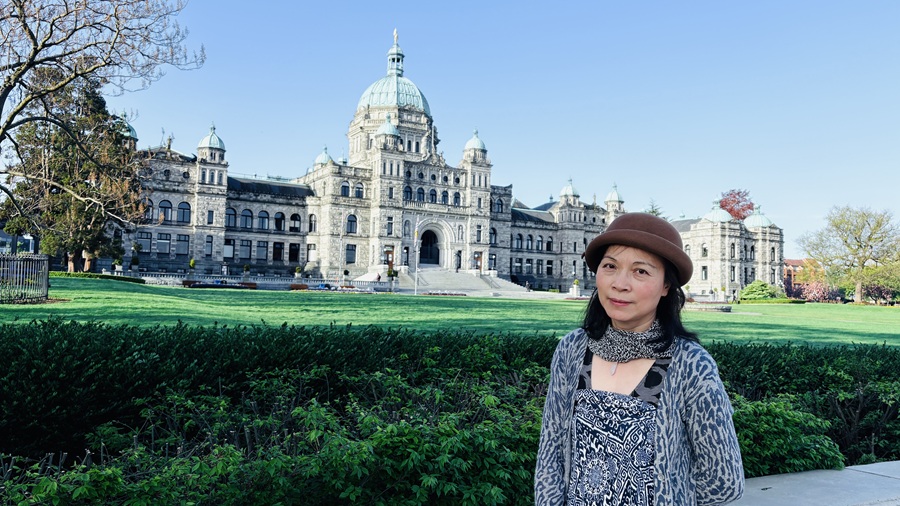
Three years ago, Pancouver published the Mississauga poet’s poem about Emily Carr. This week, she visited Carr’s house in Victoria.

“Falling Petals” is a poem about letting go, remembering without being crushed, and finding a reason to face tomorrow.

The poem juxtaposes elements such as AI, tariffs, and oil prices with the ephemeral presence of the cherry blossom.
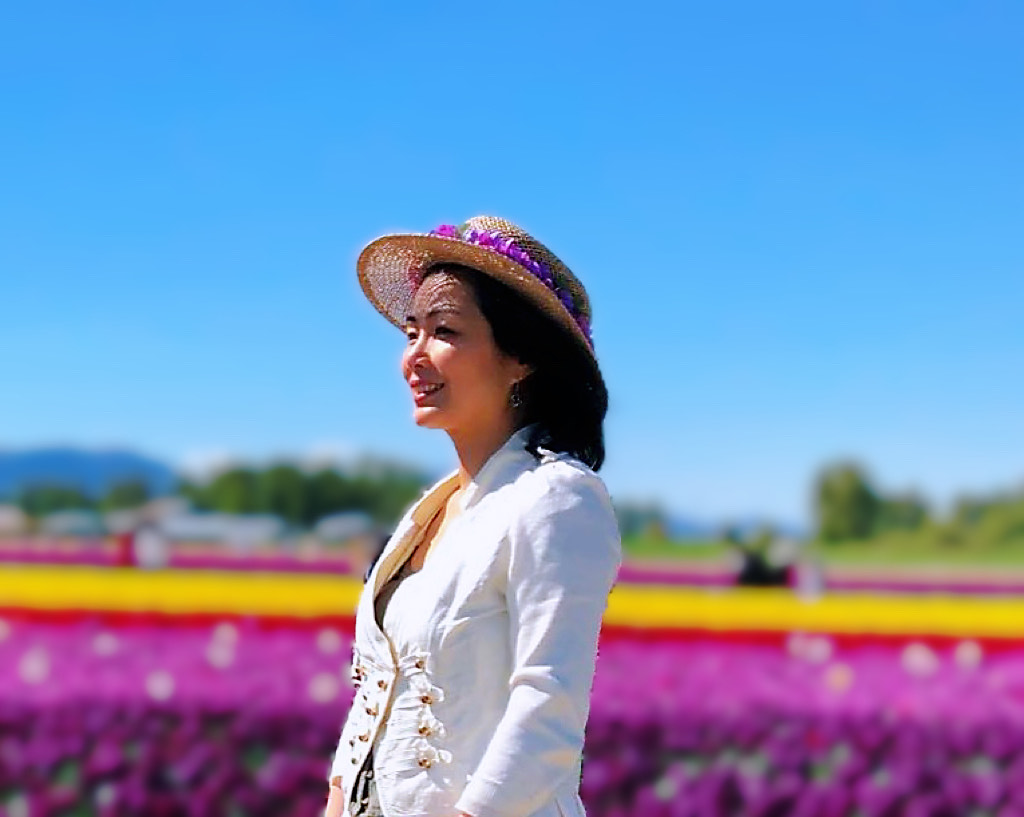
According to B.C.-based editor-in-chief Cathy Xinman, poetry offers a quiet form of cultural exchange in difficult times.
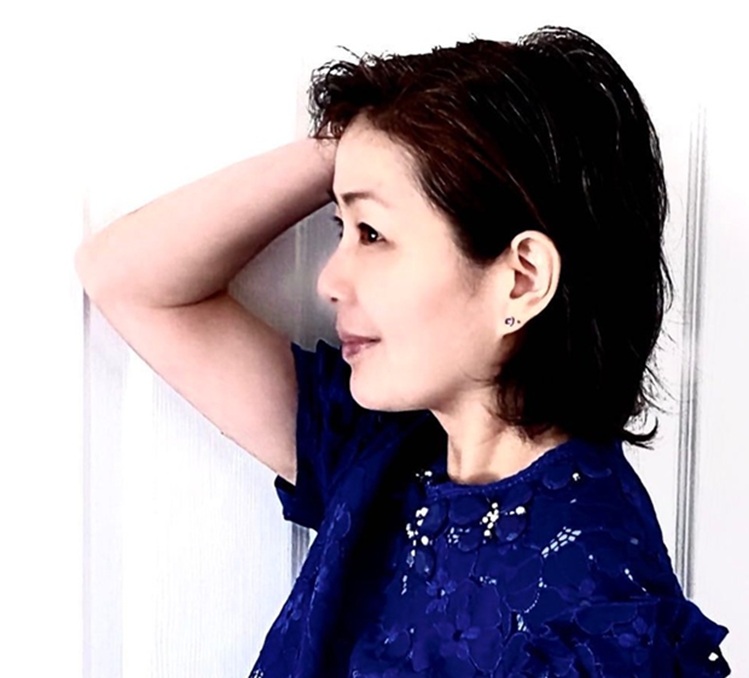
Xinman traces the journey of a rose—its beauty, its silence, its mortality—and invites us to witness how love persists in a world of turmoil.

In this New Year’s ode for the Year of the Horse, The Brave Spring weaves a warm fable around the thread of “sugar”.

On Valentine’s Day, a B.C. poet asks what comes first—love or the morning?
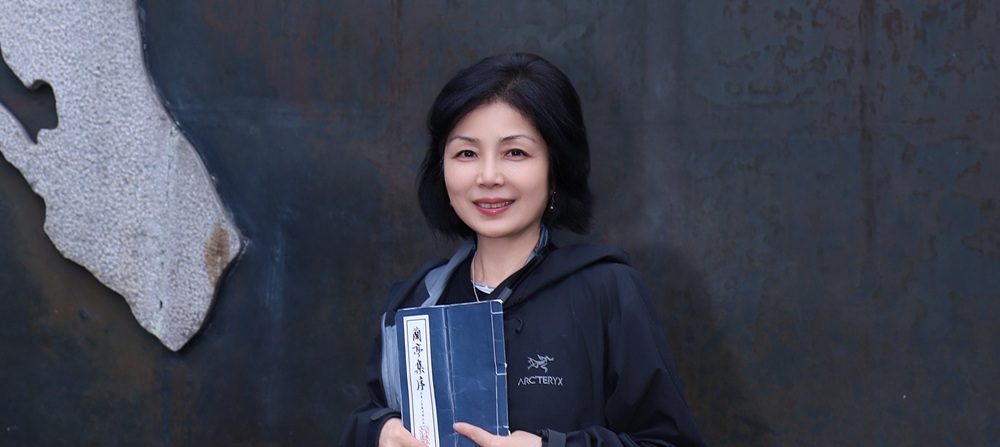
The River Cannot Be Blamed explores affection as a natural, unstoppable current—deep, sometimes dangerous, yet irresistible.

