
Cathy Xinman: The Wound of Solitude
“The Wound of Solitude” is a poem for anyone who has ever felt alone in a crowd.

“The Wound of Solitude” is a poem for anyone who has ever felt alone in a crowd.

In “Sunday Is Real”, the Canadian poet distills the hush of a single day into an intimate meditation on love and presence.

The power of this poem lies in its refusal to aestheticize or philosophize despair.

Isabella Wang’s second poetry collection November, November navigates the grief of losing loved ones and recovery in the aftermath of her cancer diagnosis.

Xinman’s poem, “I Try to Become a Morning”, explores the exquisite tension between a desire for purity and the burden of earthly existence.

“Sleep, Do Not Fear Me” offers not just a reading experience, but a moment of profound and shared solace.
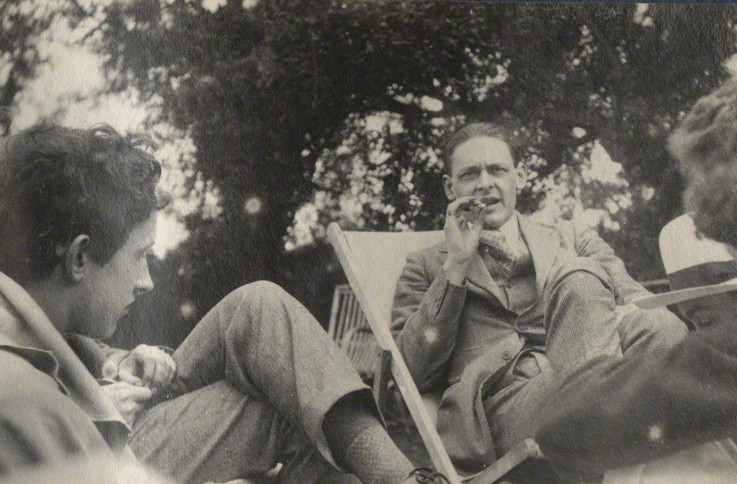
Eliot maintained that great verse must break free from the chains of private sentiment to forge universal human resonance.

Xinman’s poem reflects on time, aging, and human mortality, while celebrating the power of love, shared human experience, and the sun.
Xinman, the editor-in-chief, admires innovative poems that demonstrate depth, craftsmanship, and authenticity.

“There Is Only One Sun, Let Others Catch”, explores a central challenge of modern life: how to preserve inner independence.

