
Cathy Xinman: The Moon Is So Far from Me, Let Alone People
Have you ever stood under a full moon and felt not romance, but a profound and startling loneliness?

Have you ever stood under a full moon and felt not romance, but a profound and startling loneliness?

This is not a “peaceful morning poem”—it is a meditation on consciousness before daylight and on listening as resistance.

In “What We Carry into the New Year”, the Canadian poet writes from a sweetness that has survived winter, time, and the knowledge of hurt.
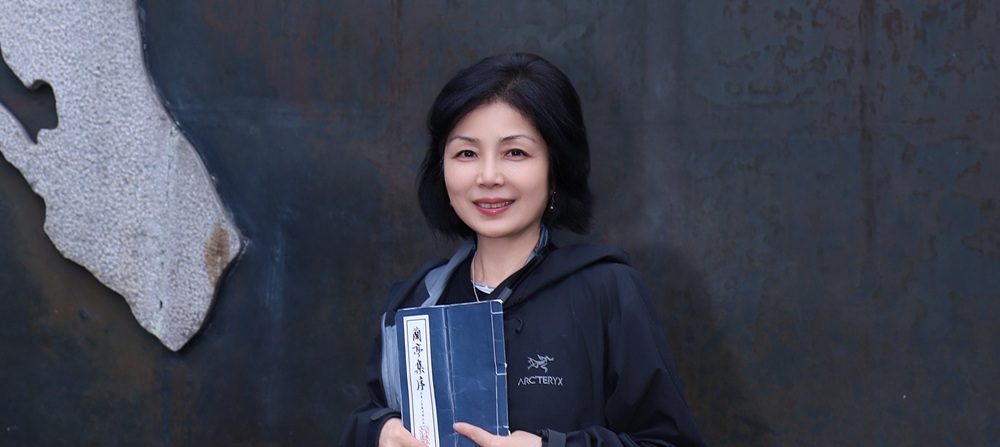
“For the Sake of Loving You” joins the conversation on artificial intelligence, but through lyrical beauty rather than cold philosophy.

Xinman’s newest poem, “Christmas Eve”, is a meditation on stillness, listening, and the quiet birth of peace.

In “The Ache of Solitude”, the Canadian poet explores the fragile border between connection and isolation.
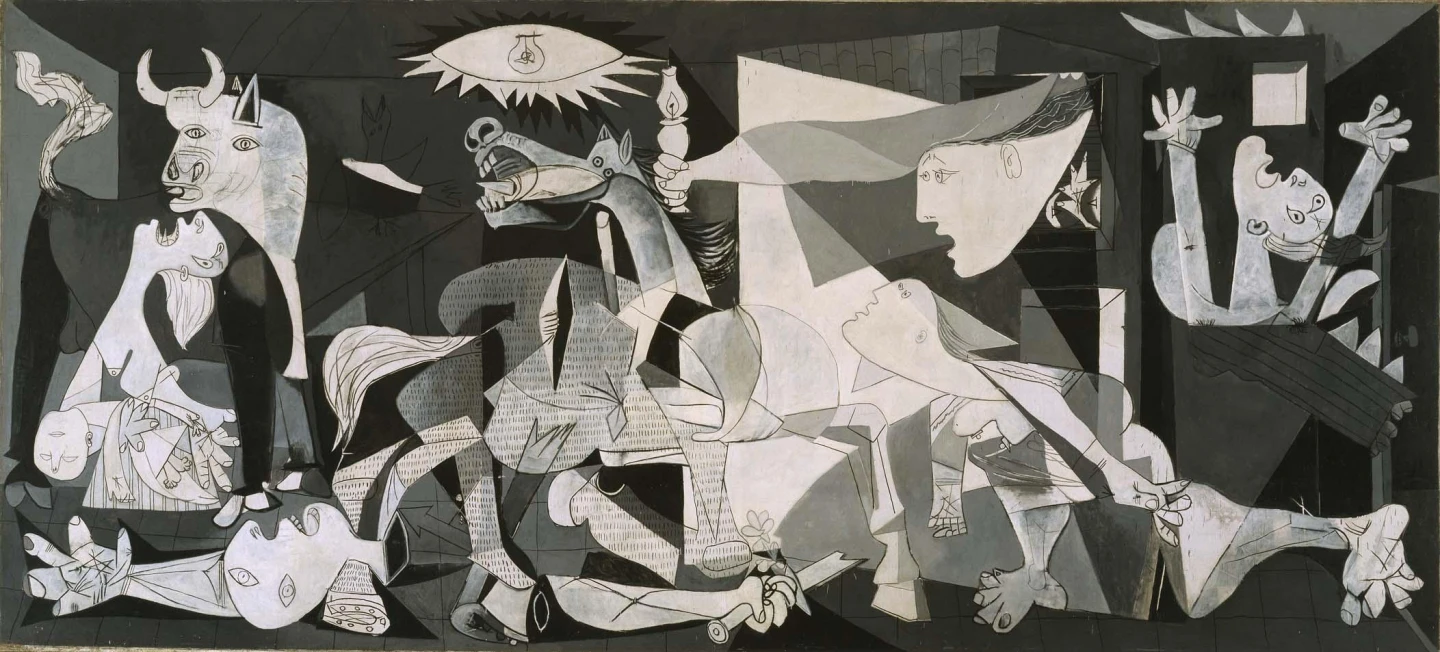
Xinman has written an ambitious art poem, inspired by Picasso’s Guernica painting as its spiritual ignition point.

“Child of the Rose” is a meditation on love as both creation and surrender.

Remember the last time you walked through fallen leaves and heard that distinctive rustle beneath your feet?

This poem captures a quiet, almost sacred moment between the poet and her puppy—a shared gaze that speaks where words cannot.

