戴中豪的《Dream Machine》让观众想像及说出自己的梦想

Dream Machine
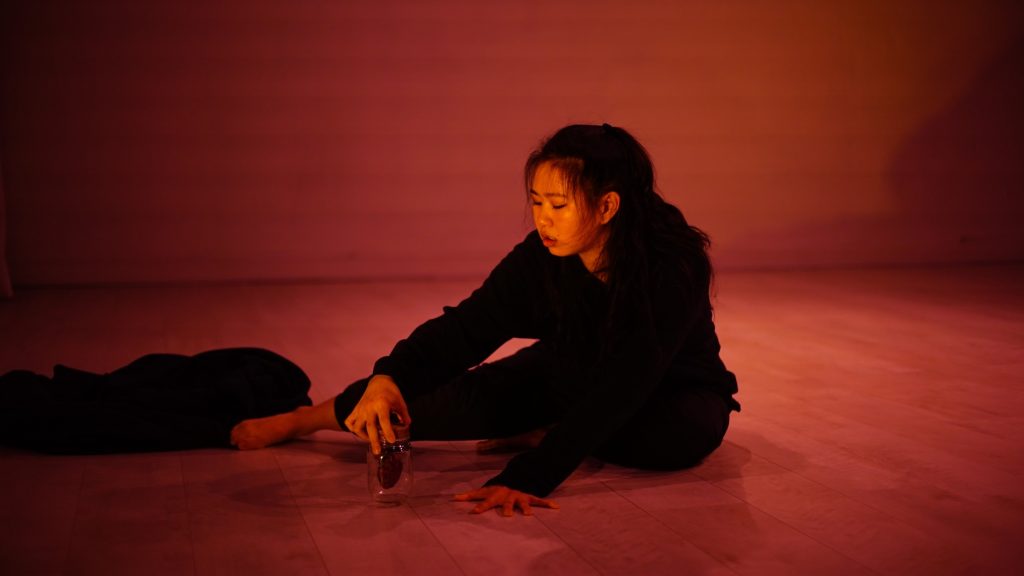
Howard Dai will perform Dream Machine as a work-in-progress at Progress Lab 1422 in late June. Photo by Kimberly Ho.

戴中豪的《Dream Machine》让观众想像及说出自己的梦想

[戴中豪将于六月底在 Progress Lab 1422 演出开发中作品 (work-in-progress) 《Dream Machine》。摄影:Kimberly Ho]

戴中豪 (Howard Dai) 在台湾长大时,特别喜欢看揭晓乐透中奖号码的电视节目。这类节目以及其他游戏节目的华丽与刺激感,让这位现居温哥华的演员兼 rice & beans 剧团的驻团艺术家留下深刻印象。这也成为他创作《Dream Machine》(梦想机器)的灵感来源——一场大型沉浸式交互演出,将造梦与彩券抽奖融合在一起。

「透过彩券抽奖的动作与形式,《Dream Machine》(梦想机器)试图探讨移民与赌博之间的并行关系:移民过程中,父母对子女的期望,以及他们所必须做出的牺牲,」rice & beans 剧团网站这么写道。「这是一场沉浸式体验,将直接唤起观众内心现有或早已遗忘的梦想与渴望。在这部作品中,戴中豪希望策划一个空间,让参与者透过梦想相遇,并以各自的抱负互相鼓励。」

去年十二月,戴中豪担任主创艺术家,与温哥华亚裔加拿大剧场合作举办这出戏的工作坊。本月稍早,他又在由 Rumble Theatre 主办的 Tremors Festival 上,以开发中作品的形式演出《Dream Machine》。根据观众回馈,他将于 6 月 26 日与 27 日晚上 7 点在 PL1422 免费再度呈现此剧(请点此链接预约入场)。

戴中豪曾参演《Salesman in China(推销员在中国)》与《Romeo & Juliet(罗密欧与茱丽叶)》(Stratford 制作)。他亦曾担任两部 East Van Panto 制作的助理导演,并于 2022 年担任 PuSh 国际表演艺术节的驻村数码艺术家。

Dream Machine
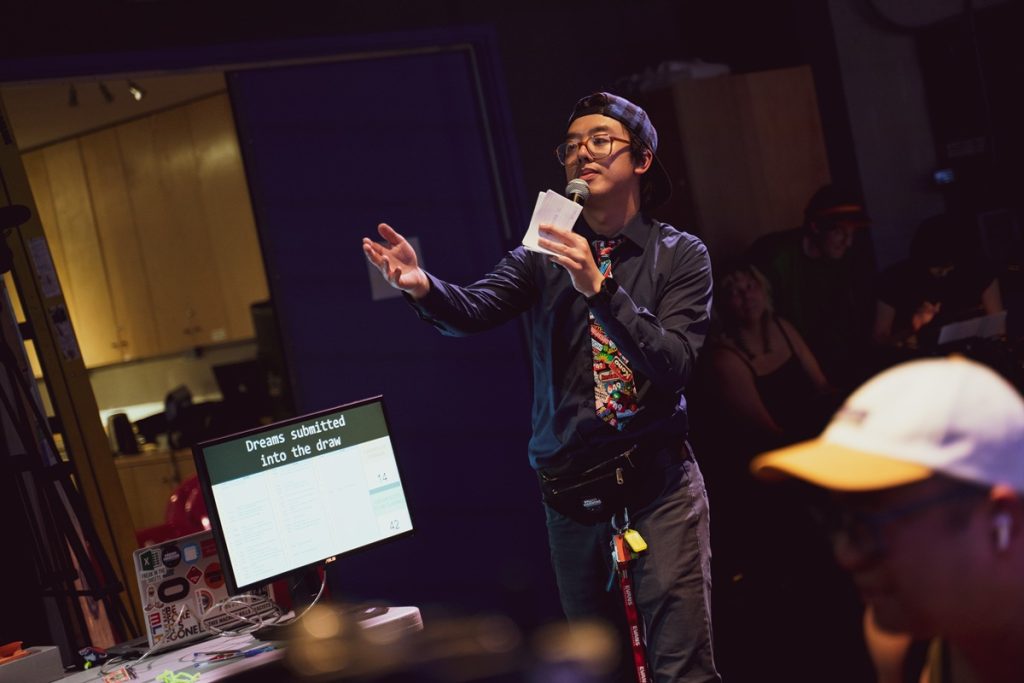
Howard Dai’s recent shows at the Tremors Festival have helped him refine Dream Machine. Photo by Kimberly Ho.

[戴中豪近期在 Tremors Festival 上的演出,帮助他进一步完善《Dream Machine》。摄影:Kimberly Ho]

《Dream Machine》与观众交互

在与 Pancouver 的 Zoom 访谈中,戴中豪提到,他在先前一出名为《菠萝面包 Pineapple Bun》的戏中,已触及彩券与离散者的内疚感,该剧背景设置在台北的一家面包店。而在仍在开发阶段的《Dream Machine》中,他则能让整出剧完整围绕在「彩券」这个主题上,同时添加观众交互。

他热爱剧场的现场性,也认为观众是每场演出不可或缺的一环。在 Tremors Festival 的演出之前,他请观众在纸上写下一个属于自己的梦想。戴中豪在其他节目演出期间制作出一份试算表,将每个梦想与其所属的观众映射起来。到了演出时,这些梦想就成了抽奖彩券的一部分,观众也可选择是否公开分享自己的梦想。

某种程度上,戴中豪是在鼓励人们写下并说出来自己的梦想。他相信这么做甚至可能提升实现梦想的可能性。更重要的是,这是一种在全球充满负面新闻的氛围中,保持对未来乐观态度的方法。至于他自己,目前的梦想大多是短期的。

戴中豪将于 6 月 26 日与 27 日晚上 7 点在温哥华 PL1422 演出开发中的《Dream Machine》(梦想机器)。请点此链接报名入场。在 Instagram 上追踪《Dream Machine》(梦想机器) dream.machine.show。有关戴中豪的相关信息,请浏览他的个人网站或阅读 Pancouver 的专题报导。

阅读原文 >> 点此链接

立即行动

Pancouver 激发创造力并促进一个更具包容性的社会。请支持我们关注多元的艺术家!来自加拿大境内的捐款可获得税务收据。

分享这篇文章

精选华文翻译文章

Soup of Forgetfulness

舞蹈艺术家李若麟透过台湾民间传说《孟婆汤》探究前世

温哥华编舞家李若麟 (Juolin Lee) 多年来一直思考如何将台湾的民间传说《孟婆汤》改编成一出当代表演舞作。根据佛教与道教传说,亡者的灵魂会走过黄泉路,进入地府。当他们抵达奈何桥时,会遇见一位名为孟婆的女子。为了通过这座桥,每位亡灵都必须喝下一碗汤。

继续阅读 »

The Society of We Are Canadians Too created Pancouver to foster greater appreciation for underrepresented artistic communities. A rising tide of understanding lifts all of us.

We would like to acknowledge that we are gathered on the traditional and unceded territories of the Coast Salish peoples of the xʷməθkwəy̓əm (Musqueam Indian Band), Skwxwú7mesh (Squamish Nation), and Səl̓ílwətaɬ (Tsleil-Waututh Nation). With this acknowledgement, we thank the Indigenous peoples who still live on and care for this land.

This project is funded in part by the Government of Canada.

The Society of We Are Canadians Too created Pancouver to foster greater appreciation for underrepresented artistic communities. A rising tide of understanding lifts all of us.

We would like to acknowledge that we are gathered on the traditional and unceded territories of the Coast Salish peoples of the xʷməθkwəy̓əm (Musqueam), Skwxwú7mesh (Squamish), and Səl̓ílwətaɬ (Tsleil-Waututh) Nations. With this acknowledgement, we thank the Indigenous peoples who still live on and care for this land.

Enjoying Pancouver?

Independent arts journalism needs readers like you!

If you value stories like this, please consider supporting Pancouver.