杨妈妈在《爱子归来》中展现何谓人性

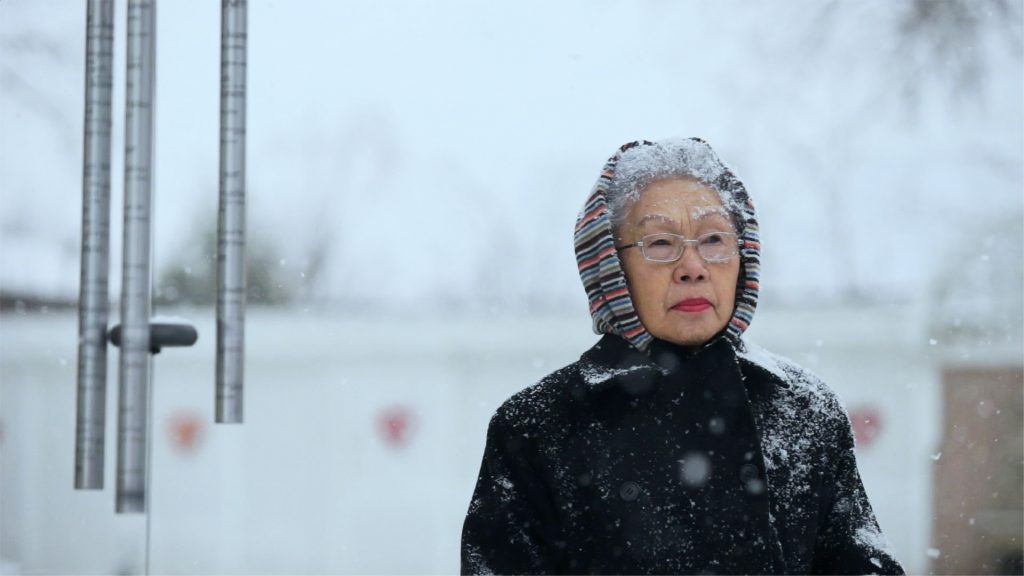
Mama Yang
The remarkable Mama Yang offers America a moral compass to follow in the Age of Trump.

[在特朗普时代,非凡的杨妈妈为美国提供了一个道德指引。]

杨妈妈宛如一位走出陀思妥耶夫斯基小说的角色。就像《白痴》中的梅什金公爵,她展现了基督信仰中「爱邻如己」的理想。但不同的是,杨妈妈并非虚构人物,而是一位住在纽约的高龄移民寡妇。台湾导演李靖惠在她细腻的纪录片《Come Home, My Child(爱子归来)》中,记录了杨妈妈的真实人生。

影片开场时,86岁的杨妈妈仍精神奕奕,担任「Boon Christian Broadcasting Centre(基督教播恩传播中心)」的主任。她勤奋地手写信件,寄给在纽约州服刑的华人囚犯,其中许多人因涉及人口贩运等案件而身陷囹圄,面临漫长刑期。

怀抱着近乎圣人的胸襟,杨妈妈鼓励他们自我提升,不要放弃与家人团聚的希望。作为回应,这些囚犯倾诉了自己怀抱梦想来到美国,却最终锒铛入狱的故事。他们对杨妈妈心存无限感激,因为她为他们提供了难能可贵的人性关怀。

「我感觉自己就像一只迷途的羔羊,」一位名叫杨豪禄(音译)的囚犯在信中写道,「我希望能从您那里得到一些指引,满怀无尽的感谢。」

他因绑架罪于1996年被判刑,刑期为75年至终身监禁。

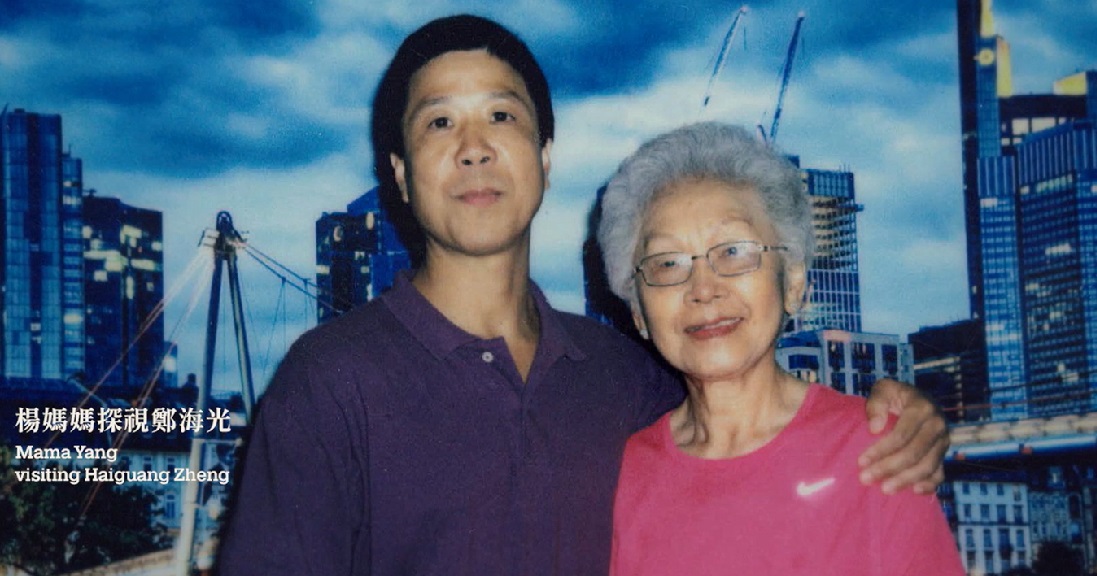
杨妈妈细心地将每封来信分类、存放在文件柜里。她不仅在书信往来中记录这些人的生命,更是为那些几乎被社会遗忘的存在留下见证。在这段旅程中,她也与一位囚犯——郑海光——的母亲成为朋友,见证了一位母亲的心碎与煎熬。
Mama Yang
Haiguang Zheng is one of dozens of long-time inmates whose lives have been touched by Mama Yang.

[郑海光是众多因杨妈妈而改变人生的长期服刑者之一。]

杨妈妈带来的启发

另一方面,许多囚犯在狱中来电时,纷纷表达他们对杨妈妈来信的珍视。然而,虽然她与这些囚犯创建了深厚的联系,却仍难以与自己的孙女沟通。 导演李靖惠透过苍凉的冬季场景,强调囚犯生活的孤寂。影片中多次出现监狱外景,包括带有威吓意味的瞭望塔,进一步突显他们被禁锢的现实。

随着唐纳·特朗普重返白宫并计划大规模驱逐非法移民,《Come Home, My Child(爱子归来)》深刻揭示了美国社会中,这些渴望自由生存的无证移民可能面临的未来。这部历时十年拍摄的纪录片,是导演李靖惠的精心力作,控诉着美国的大规模监禁制度。  

然而,面对自身艰难的家庭历史,杨妈妈选择以坚韧与奉献回应,为世人带来启发。

「我相信,许多时候我们会因为亲身经历过痛苦,而更懂得如何帮助他人,」影片中,一位同样从事慈善工作的芭芭拉·赫斯特 (Barbara Hust) 在一次访谈中如此表示。

在这个动荡不安的时代,世界最需要的正是爱——那种传统、纯粹的基督之爱,而杨妈妈正是这种精神的最佳体现。

[点击上方观看预告片。]  

放映信息 

LNY Splash、the Society of We Are Canadians Too、维多利亚台湾同乡会及 the Victoria Film Festival 将于2月1日晚上7:30在维多利亚 VIC 剧院(808 Douglas Street)联合放映《Come Home, My Child(爱子归来)》。门票可于 the Victoria Film Festival 官网购买。  

在温哥华,LNY Splash 与温哥华国际电影节 (VIFF) 将于2月9日下午5点在 VIFF 中心举行联合放映,门票可于 VIFF 官网购买。本片提供英文及繁体中文本幕。  

欲了解更多农历新年系列影展信息,请浏览 LNY Splash 官网。

阅读原文 >> 点此链接

立即行动

Pancouver 激发创造力并促进一个更具包容性的社会。请支持我们关注多元的艺术家!来自加拿大境内的捐款可获得税务收据。

分享这篇文章

Subscribe

Tags

cover story

精选华文翻译文章

The Society of We Are Canadians Too created Pancouver to foster greater appreciation for underrepresented artistic communities. A rising tide of understanding lifts all of us.

We would like to acknowledge that we are gathered on the traditional and unceded territories of the Coast Salish peoples of the xʷməθkwəy̓əm (Musqueam Indian Band), Skwxwú7mesh (Squamish Nation), and Səl̓ílwətaɬ (Tsleil-Waututh Nation). With this acknowledgement, we thank the Indigenous peoples who still live on and care for this land.

This project is funded in part by the Government of Canada.

The Society of We Are Canadians Too created Pancouver to foster greater appreciation for underrepresented artistic communities. A rising tide of understanding lifts all of us.

We would like to acknowledge that we are gathered on the traditional and unceded territories of the Coast Salish peoples of the xʷməθkwəy̓əm (Musqueam), Skwxwú7mesh (Squamish), and Səl̓ílwətaɬ (Tsleil-Waututh) Nations. With this acknowledgement, we thank the Indigenous peoples who still live on and care for this land.

Enjoying Pancouver?

Independent arts journalism needs readers like you!

If you value stories like this, please consider supporting Pancouver.
