
藝術家 Lani Maestro 的作品《沒有痛苦比這個身體更痛苦 (No Pain Like This Body)》被選為全球最頂尖的公共藝術作品之一
一家國際藝術和設計製造公司將溫哥華美術館外展的一件裝置作品列為2023年12件傑出公共藝術計劃之一。Lani Maestro 的作品《沒有痛苦比這個身體更痛苦 (No Pain Like This Body) 》於2022年11月18日至2023年4月9日期間於 West Georgia Street 的展場展出。

一家國際藝術和設計製造公司將溫哥華美術館外展的一件裝置作品列為2023年12件傑出公共藝術計劃之一。Lani Maestro 的作品《沒有痛苦比這個身體更痛苦 (No Pain Like This Body) 》於2022年11月18日至2023年4月9日期間於 West Georgia Street 的展場展出。
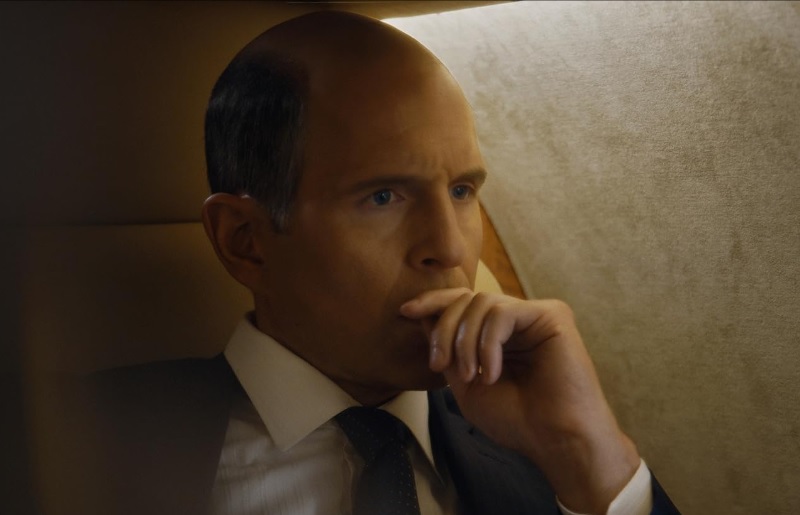
再次,卑詩省的電影製作人從加拿大電影與電視學院的提名中只得到了一點點安慰。今年的加拿大銀幕獎 (Canadian Screen Award) 最佳影片獎 (Best Motion Picture) 的六項提名全部都頒給了多倫多或蒙特婁的製片公司。

是什麼驅使兩位富裕的父母逃離自己的祖國,帶著三個孩子擠在擁擠的船裡,冒著在海上渴死或海盜突襲的危險?魁北克導演 Charles-Olivier Michaud 在他出色的電影《漂,Ru》中提供了引人入勝的見解。這部電影改編自金翠 (Kim Thúy) 的同名自傳小說,該小說獲得加拿大總督文學獎(Governor General’s Award)。

跨學科藝術表演家 Jasmine Chen 表示,她的新劇《玉環 (Jade Circle) 》的種子在十多年前就已悄悄種下。2012年,在她的外婆去世後的幾週裡,這個故事大綱開始萌芽。當時,Chen 發現自己正在回想外婆教她的台灣兒歌片段。


到 Chantal Cardinal 工作室參觀的訪客一進門就會立刻看到一把大椅子懸掛在天花板上。但這把椅子不是用聚酯或其他合成織物製成的。相反地,這位前蒙特婁居民完全以手工製作這件作品,使用濕毛氈將羊毛纖維綁在一起,創造出手工毛氈。

一開始,黃文英的電影《車頂上的玄天上帝》看似是關於一位現代台灣女性在忙碌的職業生涯和照顧生病父親之間的掙扎。然而,這部史詩般的作品劇情不僅止於此。故事的中心人物芙月正在尋找精神上的寄託,凸顯了道教在台灣的持久影響。此外,深富想像力的對話展示了隨著性別平等程度的增加,人際關係性質上的變化。導演也小心翼翼地涉足台灣歷史的變幻莫測之海,卻沒有與潛藏在海浪下的大怪物正面接觸。

台灣竹藝師蔡惠婷 (Huei-Ting Tsai) 正為「從農場到餐桌 (farm-to-table)」這個詞注入新的生命。在她的情境中,農場遍佈著各種竹子,而餐桌則成為了工藝藝術家優雅竹燈的其中一個休息地點。

在馬來西亞編劇兼導演的王禮霖的影片《富都青年》中,兩兄弟顯得截然相反。 台灣明星吳慷仁飾演的阿邦是兩人中那個有責任感的人。 儘管聾啞,阿邦仍渴望工作,他在吉隆坡富都區的菜市場做切肉工,接受著低廉的工資。

溫哥華農曆節的座右銘「生來自由」在其年度音樂會上具有特殊意義。 為迎接龍年的到來,烏克蘭音樂會鋼琴家Anna Sagalova將上台演出。 2022 年俄羅斯入侵她的國家後,這位明星獨奏家不得不逃離哈爾科夫。

Historica Canada協會紀念第一位華裔加拿大橄欖球聯盟球員。 協會新播放的《Heritage Minute》:林佐民的專欄講述了他非凡的一生。 林先生1929年出生於卡加利,在排華法案被廢除一年後開始踢打職業橄欖球,該法案從1923年到1947年禁止幾乎所有來自中國的移民。

想像在一個偏遠的島嶼,數十名婦女因言論不慎或僅僅認識錯誤的人而被囚禁。想像她們必須以鮮血宣誓效忠無情的政權,成為其宣傳者。拒絕這樣做將意味著更多的苦難和更長的監禁。然後想像一位遠在國家首都的軍事統治者親自決定誰能生存,誰將因拒絕接受再教育而被處決。

兒童文學作家 Richard Ho 知道許多人以一種重生的熱情擁抱新的宗教。一旦他們看見了光明,他們就會被情感所淹沒。相比之下,他成為正統猶太人的旅程並沒有充滿太多戲劇性。「對我來說,開始像是一種智力鍛煉,」Ho 在 Zoom 上告訴了 《Pancouver》。

在大多數城市,農曆新年被視為中國、台灣、韓國和東南亞的慶祝活動。然而,在溫哥華LunarFest Vancouver、城光藝境 (The Lantern City) 和 LNY Splash 展覽活動中,情況顯然不同。在2月9日(星期五)的開幕典禮上,主辦人吳權益 (Charlie Wu) 談到了包容的重要性,以及參與藝術家的多樣性。

台灣編舞家林恩如認為,舞蹈是一種普遍的藝術形式。“這對我來說真的很重要,” 林恩如在固蘭湖島用國語告訴Pancouver,“每個人都會跳舞。 你可以跳舞。 這是你生活中的一部分,而不是某種遙遠的令人生畏的技能。”

溫哥華藝術家 Leanne Lai Hildebrand 並不視自己為一位畫家。然而,她仍然能透過一種有著千年歷史,名為「和紙繪畫」的日本藝術形式,創造出色彩繽紛而令人驚艷的風景和花卉場景。她的作品看起來完全就像水彩畫一樣。

溫哥華插畫家兼版畫家 Tajliya Jamal 對今年城光藝境 (The Lantern City) 展覽的主題非常感興趣。主辦單位選擇了「生而自由 (Born to Be Free)」這個標語。而去年,他們聯繫了 Jamal,希望能為即將在固蘭湖島 (Granville Island) 上展示的一個大型農曆新年燈籠設計。

溫哥華藝術家 Anita Ho 擁有豐富的想像力。因此,當她為名為《崛起 (Rising) 》的作品設計一條龍時,她讓自己的創造力無限發揮。這引起了城光藝境 (The Lantern City) 展覽主辦單位的注意,該展覽每年於溫哥華舉行,以慶祝農曆新年。

劇作家兼演員 Abi Padilla 踏上了一個全新的冒險旅程,當 Studio 58 戲劇課程要求她演出一場獨角戲。這份作業是畢業條件,提供了她一個機會,可以在舞台上嘗試之前從未探索過的事物。

溫哥華藝術家 Bettina Matzkuhn 深知紡織品在講故事方面有著悠久的歷史。她透過在刺繡中使用纖維延續了這一傳統。「我不想只是製造出令人愉悅且有趣的產品,」Matzkuhn 在 Zoom 上告訴 Pancouver。「雖然這是我工作的一部分。但作品也必須傳達出某種深層的概念。」

溫哥華音樂人 Shon Wong 對過去的農曆新年慶祝活動有著美好的回憶。 這位Son of James主唱兼唐人街愛好者在 Zoom 上宣稱,那是他成長過程中的一件大事。“我的祖父會擺置香火,” Wong說,“我們會去準備雞肉,鴨肉及所有肉類祭品,然後祈禱。”

