
《看不见的国家》:揭示蔡英文如何提升台湾人的身份认同与民主自豪感
在蔡英文当选台湾首位女总统的那一刻,美国电影制作人葛静文 (Vanessa Hope) 知道自己正在见证历史。2016年,蔡英文竞选总部胜选之夜,一幅大型电子看板用英文打出三个大字——“We Are Taiwanese.(我们是台湾人。)”

在蔡英文当选台湾首位女总统的那一刻,美国电影制作人葛静文 (Vanessa Hope) 知道自己正在见证历史。2016年,蔡英文竞选总部胜选之夜,一幅大型电子看板用英文打出三个大字——“We Are Taiwanese.(我们是台湾人。)”

在蔡英文當選台灣首位女總統的那一刻,美國電影製作人葛靜文 (Vanessa Hope) 知道自己正在見證歷史。2016年,蔡英文競選總部勝選之夜,一幅大型電子看板用英文打出三個大字——“We Are Taiwanese.(我們是台灣人。)”
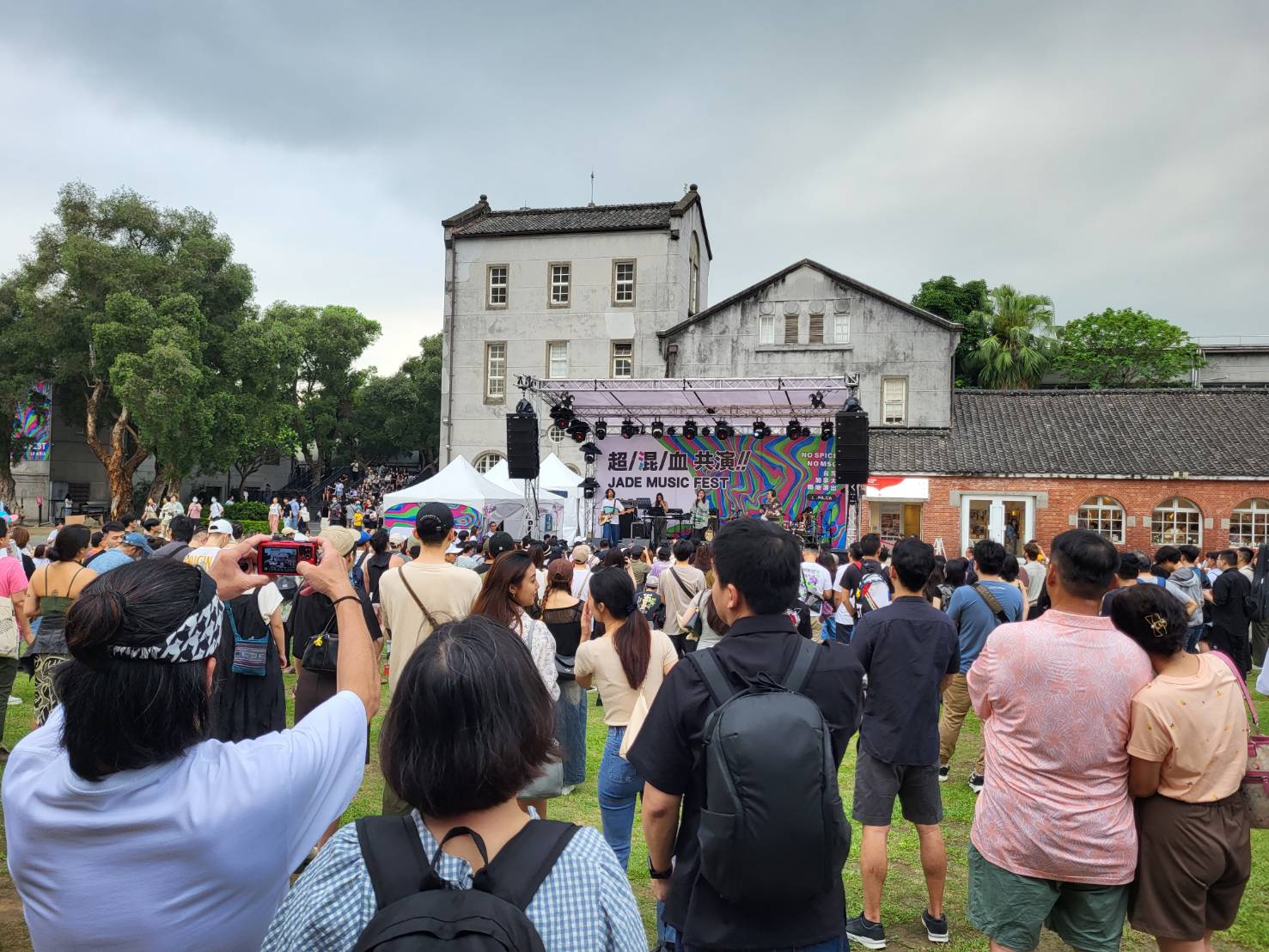
今年春天,太平洋彼岸举办了一场跨文化盛宴。由温哥华发起的玉石音乐节(Jade Music Fest) 在台北举办了首届玉石音乐节:超混血共演(Jade Music Fest in Asia),共有来自加拿大、台湾、香港和澳洲的17位音乐家登台表演。

今年春天,太平洋彼岸舉辦了一場跨文化盛宴。由溫哥華發起的玉石音樂節(Jade Music Fest) 在台北舉辦了首屆玉石音樂節:超混血共演(Jade Music Fest in Asia),共有來自加拿大、台灣、香港和澳洲的17位音樂家登台表演。
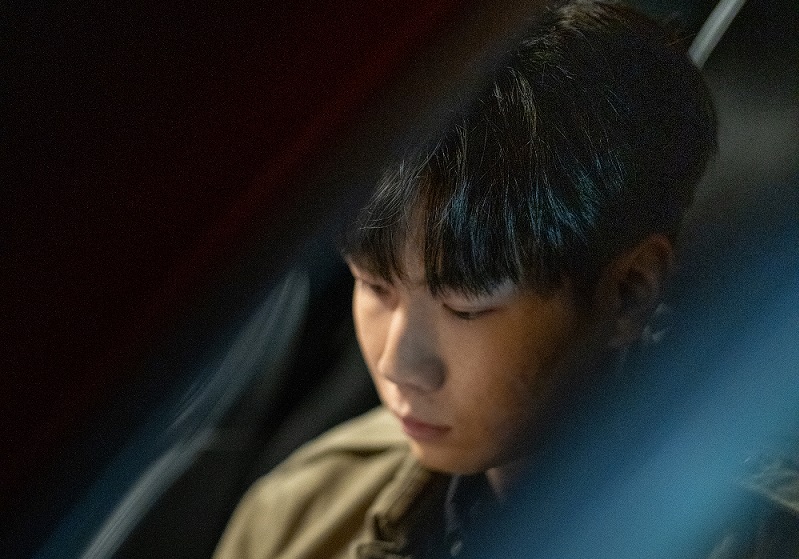
温哥华歌手 Shinlok 近期发表的音乐影片 “Worth Less(中译:不值得爱了)” 背后有一段心酸的故事。在影片中,这位毕业于 Capilano University (卡普兰诺大学)的音乐才子独自漫步于黑夜之中,感伤地缓缓歌唱,以优美的歌词与谱曲悼念着一段逝去的恋情。

溫哥華歌手 Shinlok 近期發表的音樂影片 “Worth Less(中譯:不值得愛了)” 背後有一段心酸的故事。在影片中,這位畢業於 Capilano University (卡普蘭諾大學)的音樂才子獨自漫步於黑夜之中,感傷地緩緩歌唱,以優美的歌詞與譜曲悼念著一段逝去的戀情。

在2010年,一位名叫姚瑞中 (Yao Jui-Chung) 的教授展开了一项非凡的艺术计划。这位居住在台北的教育家和艺术家给了他在台湾师范大学 (Taiwan Normal University) 美术系的学生一项抉择。

在2010年,一位名叫姚瑞中 (Yao Jui-Chung) 的教授展開了一項非凡的藝術計劃。這位居住在台北的教育家和藝術家給了他在台灣師範大學 (Taiwan Normal University) 美術系的學生一項抉擇。

名字往往承载着重要的意义。因此,对于温哥华的编舞家兼舞者 Marissa Wong 来说,讨论她的舞蹈公司名称的意义似乎是个极为合适的起点。


The Society of We Are Canadians Too created Pancouver to foster greater appreciation for underrepresented artistic communities. A rising tide of understanding lifts all of us.
This project is funded in part by the Government of Canada.
We would like to acknowledge that we are gathered on the traditional and unceded territories of the Coast Salish peoples of the xʷməθkwəy̓əm (Musqueam Indian Band), Skwxwú7mesh (Squamish Nation), and Səl̓ílwətaɬ (Tsleil-Waututh Nation). With this acknowledgement, we thank the Indigenous peoples who still live on and care for this land.
This project is funded in part by the Government of Canada.
The Society of We Are Canadians Too created Pancouver to foster greater appreciation for underrepresented artistic communities. A rising tide of understanding lifts all of us.
We would like to acknowledge that we are gathered on the traditional and unceded territories of the Coast Salish peoples of the xʷməθkwəy̓əm (Musqueam), Skwxwú7mesh (Squamish), and Səl̓ílwətaɬ (Tsleil-Waututh) Nations. With this acknowledgement, we thank the Indigenous peoples who still live on and care for this land.
Independent arts journalism needs readers like you!
If you value stories like this, please consider supporting Pancouver.