
溫哥華跨領域藝術家簡上翔勇於突破分類界限
訪問簡上翔 (Sammy Chien) 時,很難知道該從何談起。這位來自台灣的酷兒移民,已完成超過 500 個合作藝術計劃,涉足混合媒體、電影、舞蹈、視覺藝術、音樂與戲劇。他的創作旨在講述故事,並為弱勢社群帶來力量與啟發。

訪問簡上翔 (Sammy Chien) 時,很難知道該從何談起。這位來自台灣的酷兒移民,已完成超過 500 個合作藝術計劃,涉足混合媒體、電影、舞蹈、視覺藝術、音樂與戲劇。他的創作旨在講述故事,並為弱勢社群帶來力量與啟發。

Natalie Lue 因諸多原因而享受從事藝術工作。作為溫哥華市政劇場 (Vancouver Civic Theatres) 的總監,她透過將人們聚集在一起而打破隔閡。此外,Lue 也樂於欣賞各種不同的觀點,更愛看觀眾們欣賞表演的反應。

多倫多創作歌手守維 (Chynna Lewis) 於 8 月底在 Harbourfront Centre 回到她的根基地。這位擅長抒情流行音樂與節奏藍調的歌手,在 TAIWANfest 多倫多「¡晒吶風! (¡Sinophone! Series!) 」系列中免費演出。
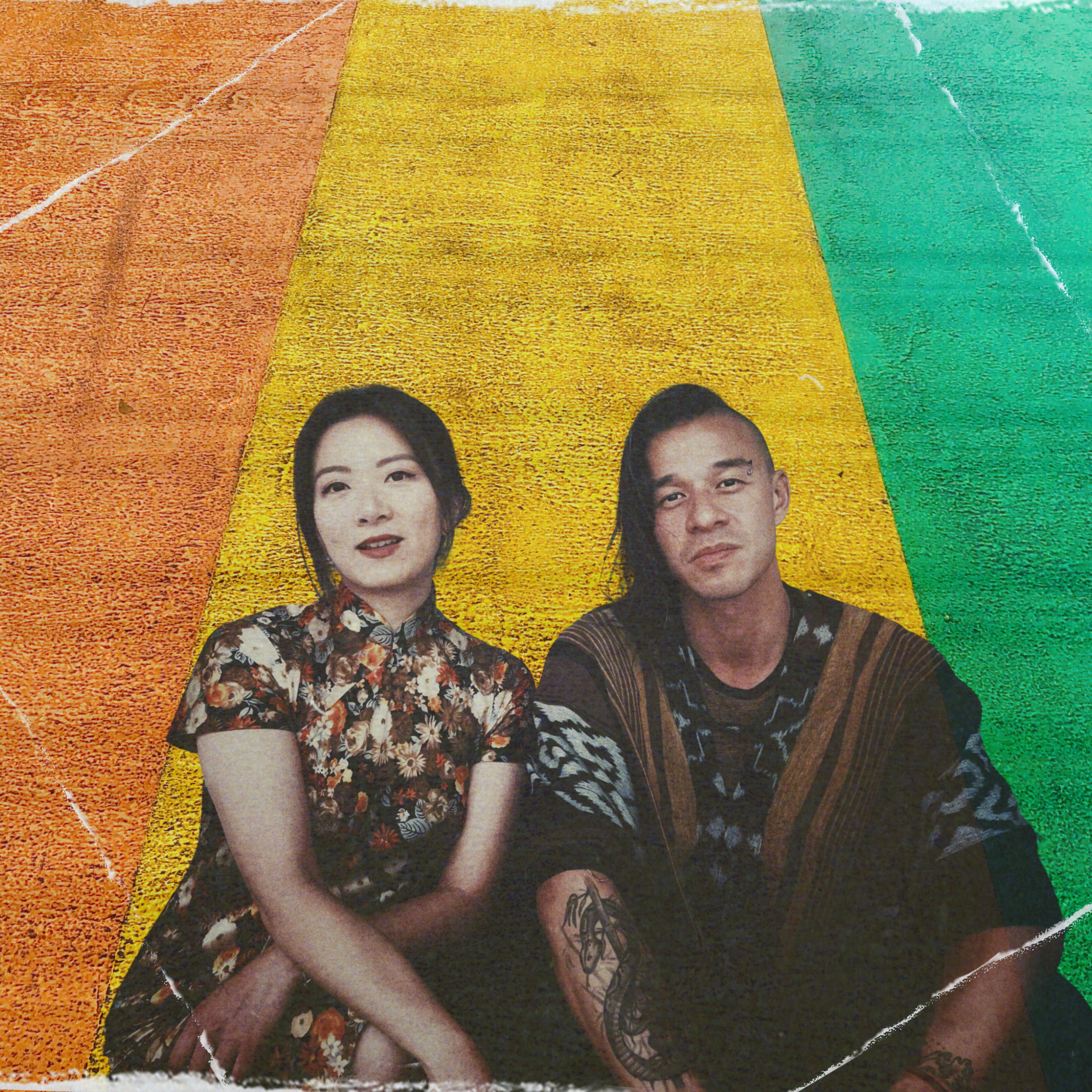
在許多方面,百城和楊予菁的全新流行歌曲〈你的所有 (All of You)〉非常符合西方樂迷的口味。歌曲開頭的旋律非常動聽,楊予菁溫暖而富有旋律的聲音帶來了舒緩、深情的開場。當她將演唱的接力棒交給百城時,他展現出一種近似80年代純真的樂觀氛圍,歌唱著他對城市生活的美好期盼。

媒體藝術家和 DJ 李南屏是溫哥華台灣文化節的常客。早在 2018 年,這位酷兒文化製作人便與現代舞蹈藝術家 Emmalena Frederiksson 合作,推出了名為《潮汐的痕跡》的作品。這部 360 度虛擬實境影片由加拿大國家電影局聯合製作,使觀眾置身於溫哥華近海潮間帶泥灘的一場戶外舞蹈表演之中。

在成為律師、商人和台灣電視節目主持人之前,李豪 (Leo Seewald) 做了一件不同凡響的事。儘管沒有華人血統,他在10歲時就在溫哥華的家鄉開始上中文學校。
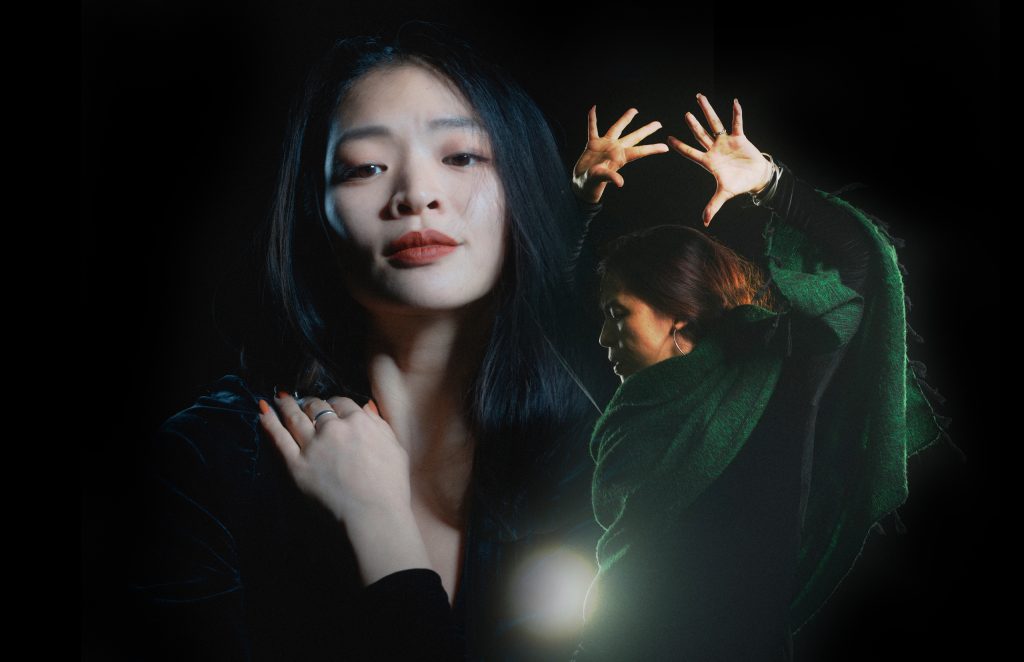
今年稍早,一位台灣舞蹈家在馬德里創下了一項壯舉。薛喻鮮在第33屆西班牙舞蹈與佛朗明哥編舞大賽 (Certamen coreográfico de danza española y flamenco) 中獲得了獨舞創作首獎和年度最佳舞者獎。
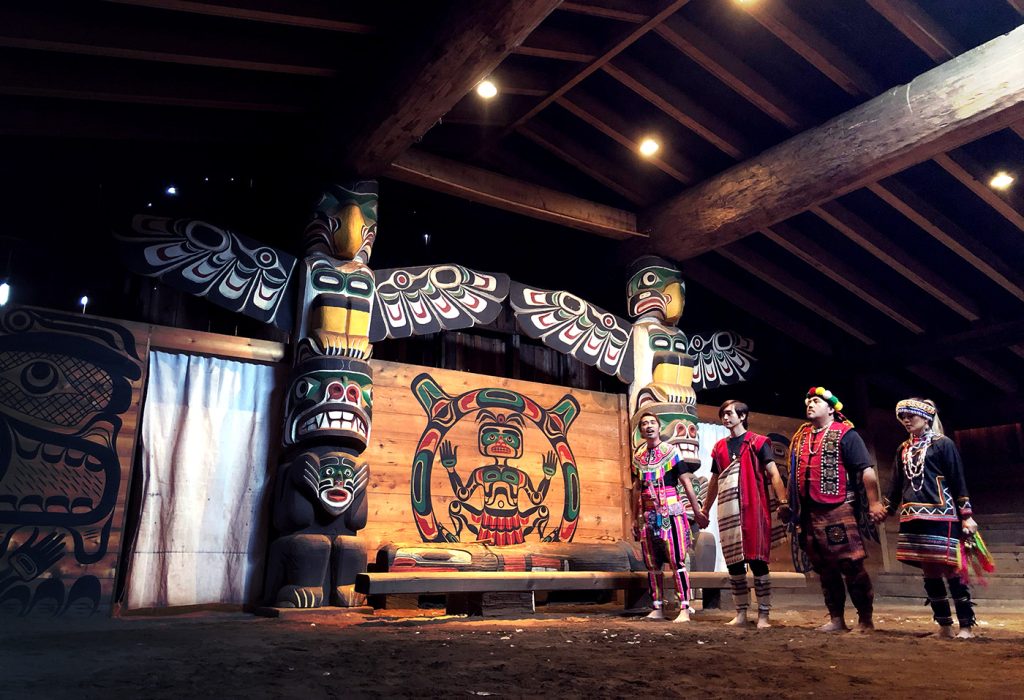
加拿大與台灣的原住民之間存在著一些鮮為人知的共同點,而一位台灣原住民電影製片人希望透過其最新紀錄片《找回原來的樣子》,來提高大眾對此的了解。

台湾导演兼艺术家许家维的2024年作品《在圣堂里的一场演出》以北台湾和平岛的考古挖掘现场为电影开场。考古学家在停车场下小心翼翼地将人骨上的泥块刷掉。镜头往上俯视,展示出古墓中数具已沈睡数百年的人骨。

台灣導演兼藝術家許家維的2024年作品《在聖堂裡的一場演出》以北台灣和平島的考古挖掘現場為電影開場。考古學家在停車場下小心翼翼地將人骨上的泥塊刷掉。


The Society of We Are Canadians Too created Pancouver to foster greater appreciation for underrepresented artistic communities. A rising tide of understanding lifts all of us.
This project is funded in part by the Government of Canada.
We would like to acknowledge that we are gathered on the traditional and unceded territories of the Coast Salish peoples of the xʷməθkwəy̓əm (Musqueam Indian Band), Skwxwú7mesh (Squamish Nation), and Səl̓ílwətaɬ (Tsleil-Waututh Nation). With this acknowledgement, we thank the Indigenous peoples who still live on and care for this land.
This project is funded in part by the Government of Canada.
The Society of We Are Canadians Too created Pancouver to foster greater appreciation for underrepresented artistic communities. A rising tide of understanding lifts all of us.
We would like to acknowledge that we are gathered on the traditional and unceded territories of the Coast Salish peoples of the xʷməθkwəy̓əm (Musqueam), Skwxwú7mesh (Squamish), and Səl̓ílwətaɬ (Tsleil-Waututh) Nations. With this acknowledgement, we thank the Indigenous peoples who still live on and care for this land.
Independent arts journalism needs readers like you!
If you value stories like this, please consider supporting Pancouver.