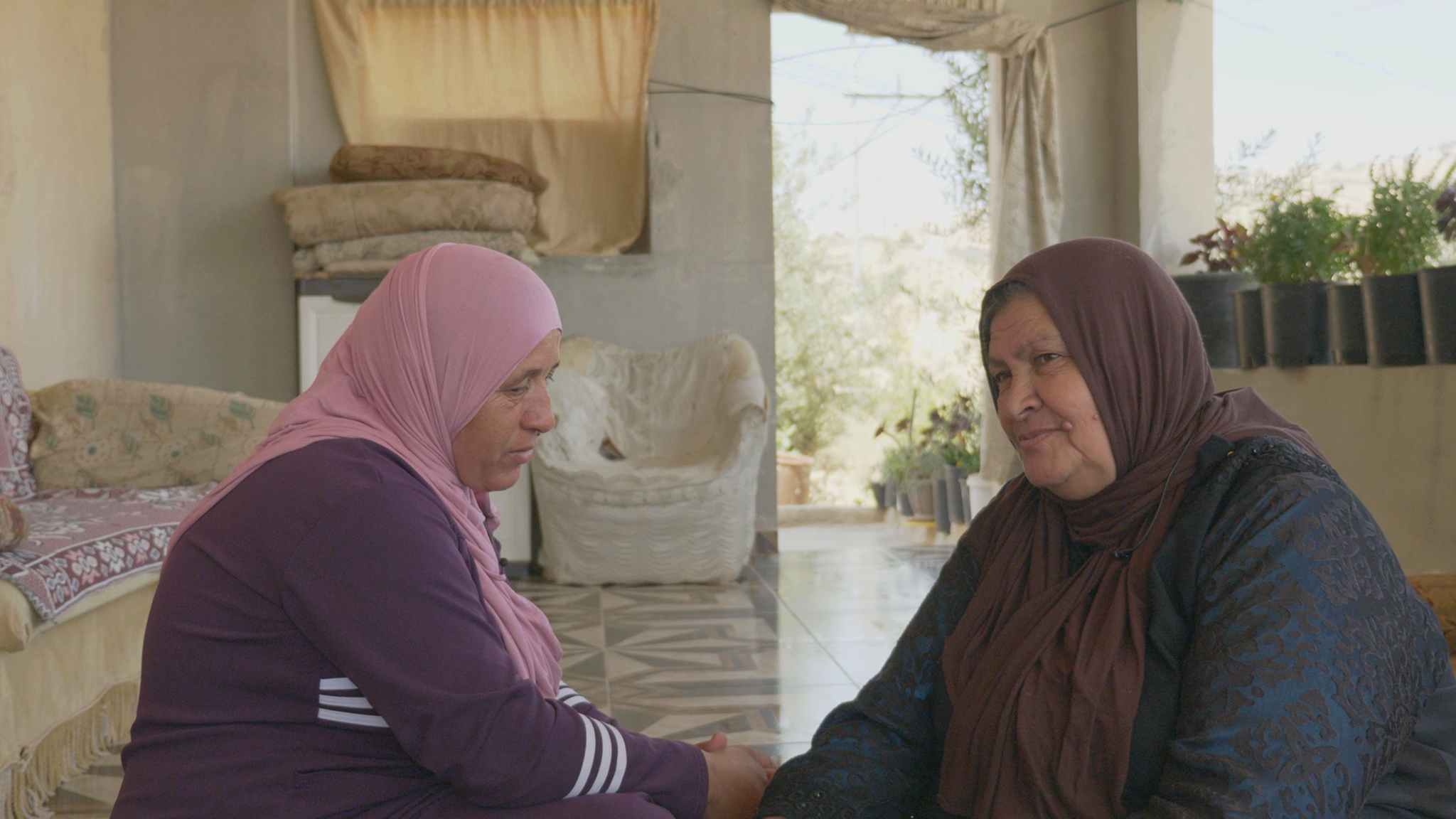
DOXA 纪录片影展:《Aisha’s Story》呈现巴勒斯坦家庭对「返回权」的深切渴望
有时,一部纪录片能揭示无数关于中东的新闻报导中未曾提及的真相。在《Aisha’s Story》(Aisha 的故事)中,这部即将在温哥华 DOXA 纪录片影展揭幕的作品中,联合导演 Elizabeth Vibert 与 Chen Wang 探索食物在巴勒斯坦认同中所扮演的内核角色。影片主角 Aisha Azzam 在约旦经营家族的谷物磨坊,并愉快地解释她所贩售的食品为何是巴勒斯坦文化遗产的象征。

有时,一部纪录片能揭示无数关于中东的新闻报导中未曾提及的真相。在《Aisha’s Story》(Aisha 的故事)中,这部即将在温哥华 DOXA 纪录片影展揭幕的作品中,联合导演 Elizabeth Vibert 与 Chen Wang 探索食物在巴勒斯坦认同中所扮演的内核角色。影片主角 Aisha Azzam 在约旦经营家族的谷物磨坊,并愉快地解释她所贩售的食品为何是巴勒斯坦文化遗产的象征。
有時,一部紀錄片能揭示無數關於中東的新聞報導中未曾提及的真相。在《Aisha’s Story》(Aisha 的故事)中,這部即將在溫哥華 DOXA 紀錄片影展揭幕的作品中,聯合導演 Elizabeth Vibert 與 Chen Wang 探索食物在巴勒斯坦認同中所扮演的核心角色。

多元创作者 Van Lefan 乐凡在第二张完整专辑中,汲取了她在谘商心理学系的学习经验。身为学生的她,深刻体会到写作在面对创伤与悲伤时的疗愈力量。
多元創作者 Van Lefan 樂凡在第二張完整專輯中,汲取了她在諮商心理學系的學習經驗。身為學生的她,深刻體會到寫作在面對創傷與悲傷時的療癒力量。

经过数十年的艺术创作及在康考迪亚大学任教,黄瑞仪 (Mary Sui Yee Wong) 依然不习惯成为镁光灯的焦点。个性内向的她,更喜欢创作雕塑、摄影、影像、服装或公共艺术,而不是在人群中穿梭。
經過數十年的藝術創作及在康考迪亞大學任教,黃瑞儀 (Mary Sui Yee Wong) 依然不習慣成為鎂光燈的焦點。個性內向的她,更喜歡創作雕塑、攝影、影像、服裝或公共藝術,而不是在人群中穿梭。

高贵林艺术家李东曾经在北京及其他中国城市担任城市规划师与设计师数十年,协助打造当地的都市环境。如今,他透过色彩缤纷、光影流动的水彩画,捕捉不同洲上都市生活的精髓。「我在 2019 年开始尝试油画,」李东透过 Zoom 向 Pancouver 表示。「但油画味道太重,还会弄脏衣服。所以从 2020 年开始,我改画水彩。」
高貴林藝術家李東曾經在北京及其他中國城市擔任城市規劃師與設計師數十年,協助打造當地的都市環境。如今,他透過色彩繽紛、光影流動的水彩畫,捕捉不同洲上都市生活的精髓。
你还记得 NASA 宣布要和小小的火星探测车「机会号(Opportunity)」道别的时候吗?那时,全世界一起哀悼、为它歌唱,甚至还为这位远在另一个星球上的小机器人发起了一个 hashtag 活动。
你還記得 NASA 宣布要和小小的火星探測車「機會號(Opportunity)」道別的時候嗎?那時,全世界一起哀悼、為它歌唱,甚至還為這位遠在另一個星球上的小機器人發起了一個 hashtag 活動。

