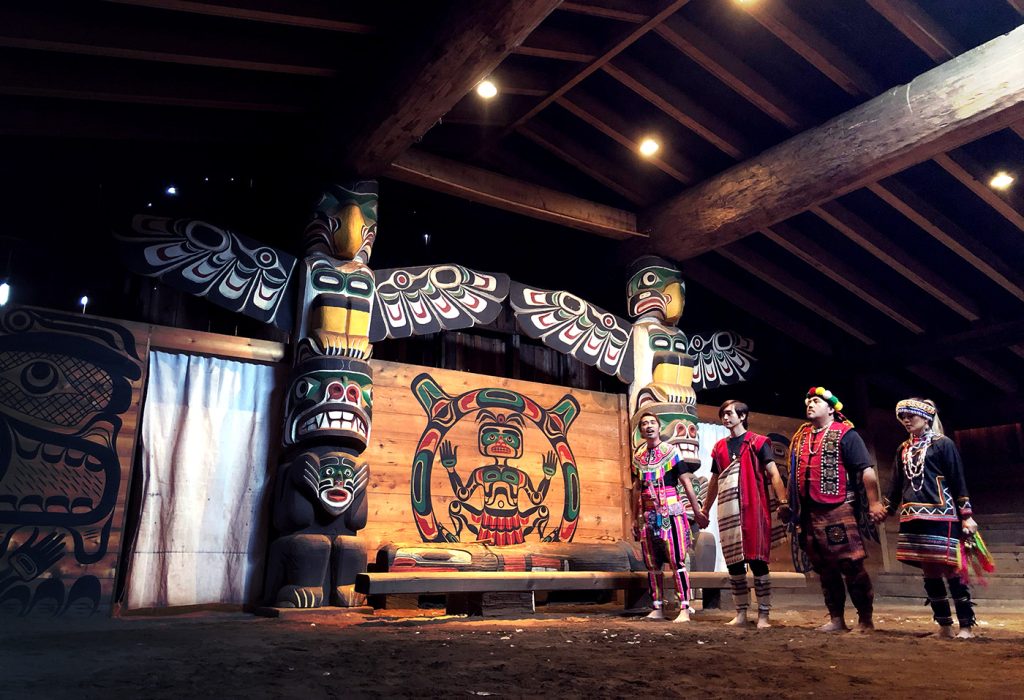
紀錄片《找回原來的樣子》 探討台灣原住民音樂家於加拿大巡演獲得的啟發
加拿大與台灣的原住民之間存在著一些鮮為人知的共同點,而一位台灣原住民電影製片人希望透過其最新紀錄片《找回原來的樣子》,來提高大眾對此的了解。

加拿大與台灣的原住民之間存在著一些鮮為人知的共同點,而一位台灣原住民電影製片人希望透過其最新紀錄片《找回原來的樣子》,來提高大眾對此的了解。
Suana Emuy Cilangasay, Masaw Ali, Vaqacun Kalevuwan, and Abus Tanapima visit a former residential school in Identity: Lost and Found.
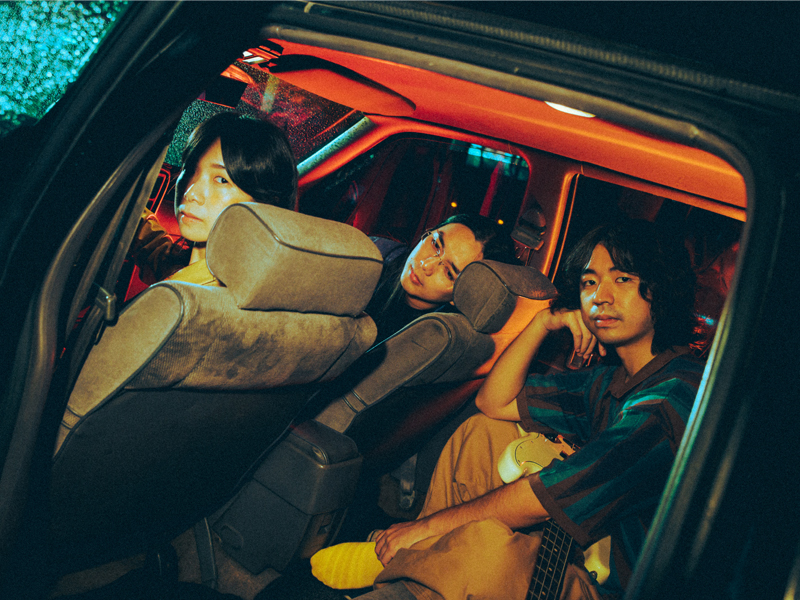
但对于台湾的音乐爱好者来说,「Lilium」一词有着完全不同的意义,在这个岛国,「Lilium」(百合花乐团)是一支有高度原创性的独立摇滚乐团,将多种音乐流派融入其巧妙的歌曲中,其中包括传统台湾音乐,如南管和北管,它们与节奏感强劲的吉他,贝斯及鼓组互相映衬。
但對於台灣的音樂愛好者來說,「Lilium」一詞有著完全不同的意義,在這個島國,「Lilium」(百合花樂團)是一支有高度原創性的獨立搖滾樂團,將多種音樂流派融入其巧妙的歌曲中,其中包括傳統台灣音樂,如南管和北管,它們與節奏感強勁的吉他,貝斯及鼓組互相映襯。
Lilium lead singer and chief songwriter Lin I-Shuo would love to create a new musical genre that’s made in Taiwan.

西格蒙德·弗洛伊德最著名的案例研究涉及一位被他称为朵拉的 18 岁女孩,身为精神分析学创立者的他诊断她患有「歇斯底里症」(hysteria)。此外,透过梦境分析,佛洛伊德得出结论,她的病情是由被压抑的同性恋倾向而引发,她对曾向她求婚的一位世交的妻子产生了爱慕。
西格蒙德·弗洛伊德最著名的案例研究涉及一位被他稱為朵拉的 18 歲女孩,身為精神分析學創立者的他診斷她患有「歇斯底里症」(hysteria)。此外,透過夢境分析,佛洛伊德得出結論,她的病情是由被壓抑的同性戀傾向而引發,她對曾向她求婚的一位世交的妻子產生了愛慕。
The famous psychoanalyst concluded that Dora suffered from “hysteria” triggered by sexual desire—a diagnosis that many now feel was sexist.

台湾导演兼艺术家许家维的2024年作品《在圣堂里的一场演出》以北台湾和平岛的考古挖掘现场为电影开场。考古学家在停车场下小心翼翼地将人骨上的泥块刷掉。镜头往上俯视,展示出古墓中数具已沈睡数百年的人骨。
Le réalisateur et artiste taïwanais Hsu Chia-Wei ouvre son film de 2024, A Performance in the Church (une prestation dans l’église), avec des fouilles archéologiques en direct. Sous d’un terrain de stationnement sur l’île Heping près du nord de Taïwan, les chercheurs enlèvent la poussière minutieusement des os humains.

