#JMFinAsia:以音乐创建跨国友谊,重拾母语之美
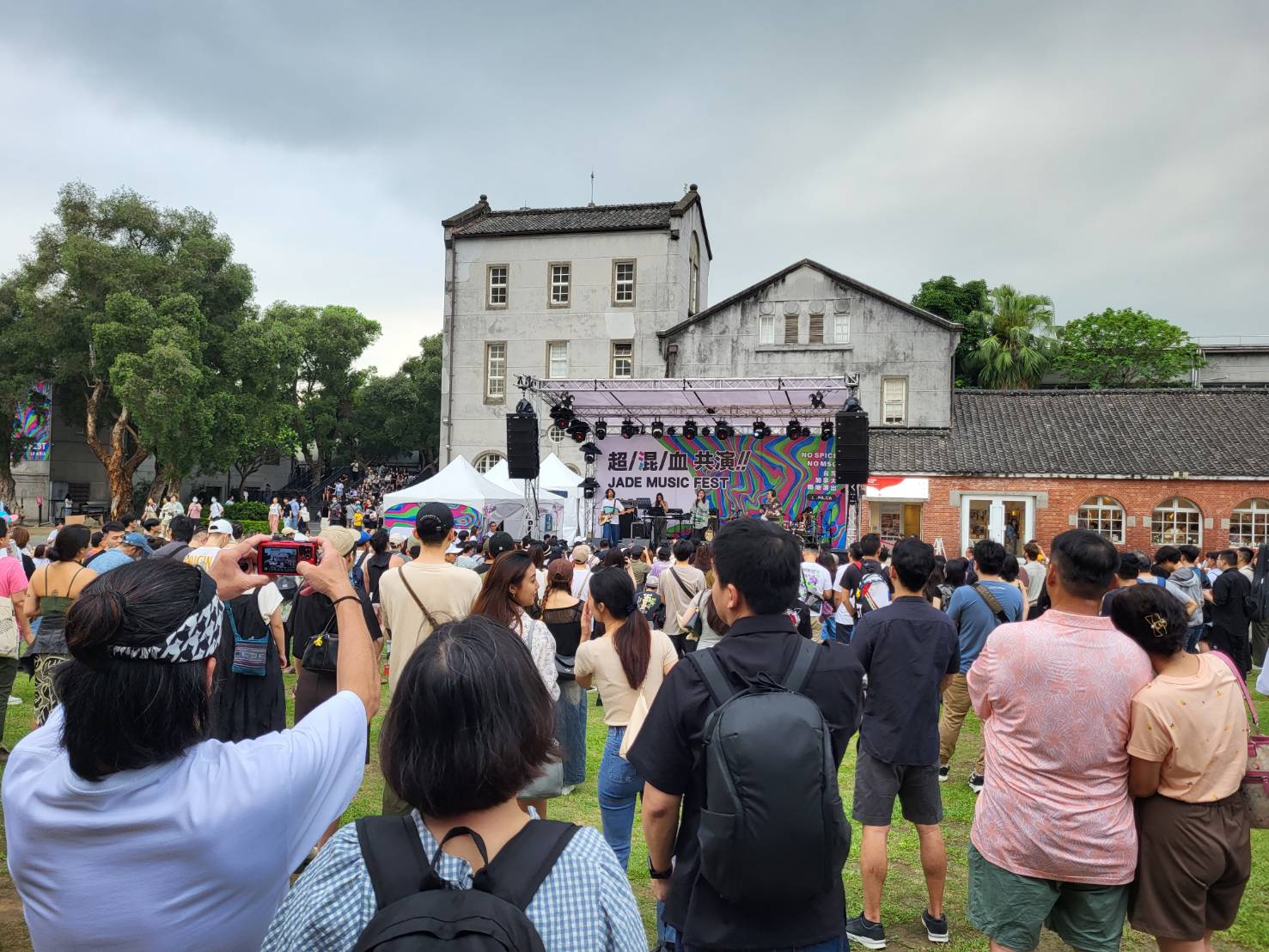
今年春天,太平洋彼岸举办了一场跨文化盛宴。由温哥华发起的玉石音乐节(Jade Music Fest) 在台北举办了首届玉石音乐节:超混血共演(Jade Music Fest in Asia),共有来自加拿大、台湾、香港和澳洲的17位音乐家登台表演。

今年春天,太平洋彼岸举办了一场跨文化盛宴。由温哥华发起的玉石音乐节(Jade Music Fest) 在台北举办了首届玉石音乐节:超混血共演(Jade Music Fest in Asia),共有来自加拿大、台湾、香港和澳洲的17位音乐家登台表演。

温哥华艺术家刘凯将近期作品定义为「绘印艺术」。这位北京出生的创作者巧妙融合版画技法与绘画语言,在作品中构建起中西美学的对话,持续探索艺术表达的混生形态。
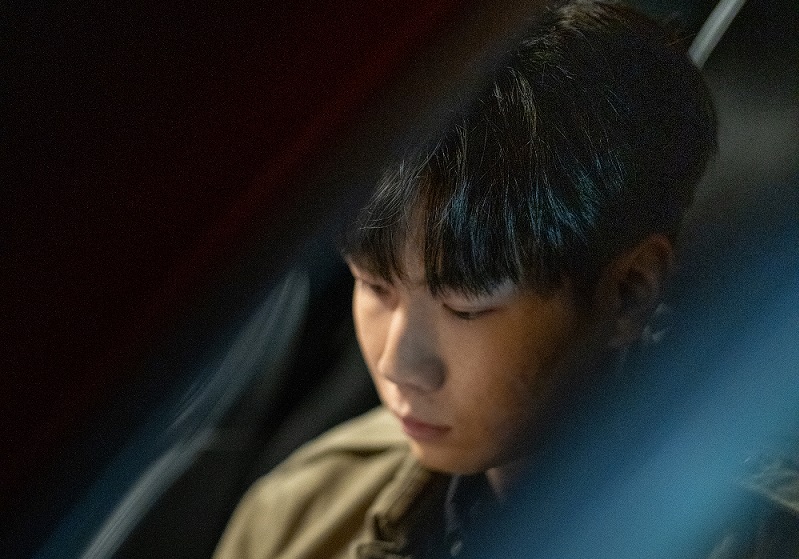
温哥华歌手 Shinlok 近期发表的音乐影片 “Worth Less(中译:不值得爱了)” 背后有一段心酸的故事。在影片中,这位毕业于 Capilano University (卡普兰诺大学)的音乐才子独自漫步于黑夜之中,感伤地缓缓歌唱,以优美的歌词与谱曲悼念着一段逝去的恋情。
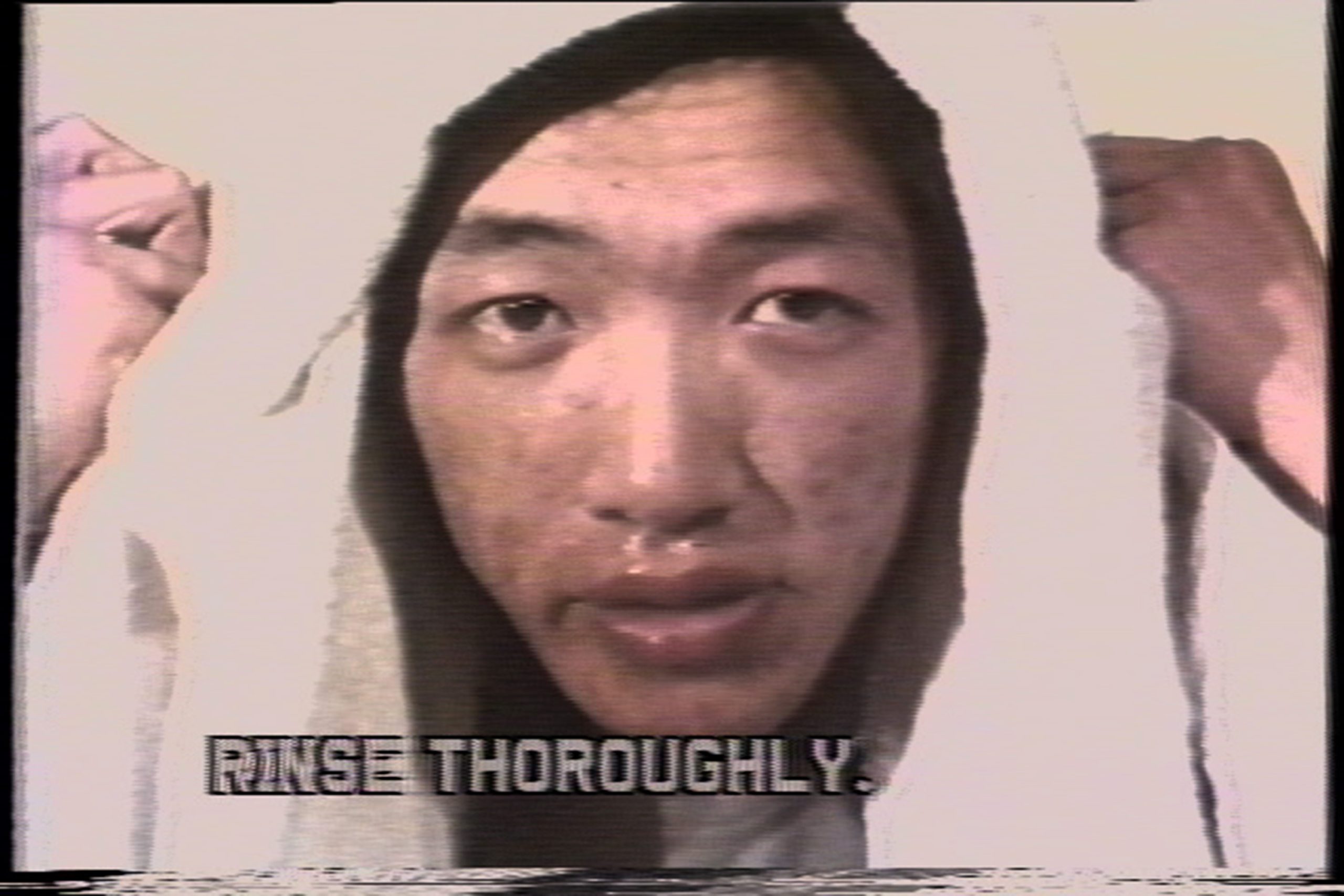
在70年代,当实验性跨领域艺术家兼策展人Paul Wong想要表达自己时,他经常将镜头对准自己。 例如,他的作品《60 Unit; Bruise》(60 单位;瘀伤)(1976)。Wong的朋友兼合作者Kenneth Fletcher在影片中从他的手臂中抽出了 60 单位的血液,并将其重新注入他的肩膀。

在4 月 21 日周日Shadbolt艺术中心的「台湾之声」音乐会展示了令人惊叹的音乐艺术和充满魅力的乐团指挥。 由台湾著名音乐家李哲艺率领,备受推崇的OneSong管弦乐团展示了一流的弦乐演奏家如何运用作曲家从未想像过的演奏方式重新演绎亚洲民谣。

在2010年,一位名叫姚瑞中 (Yao Jui-Chung) 的教授展开了一项非凡的艺术计划。这位居住在台北的教育家和艺术家给了他在台湾师范大学 (Taiwan Normal University) 美术系的学生一项抉择。

名字往往承载着重要的意义。因此,对于温哥华的编舞家兼舞者 Marissa Wong 来说,讨论她的舞蹈公司名称的意义似乎是个极为合适的起点。
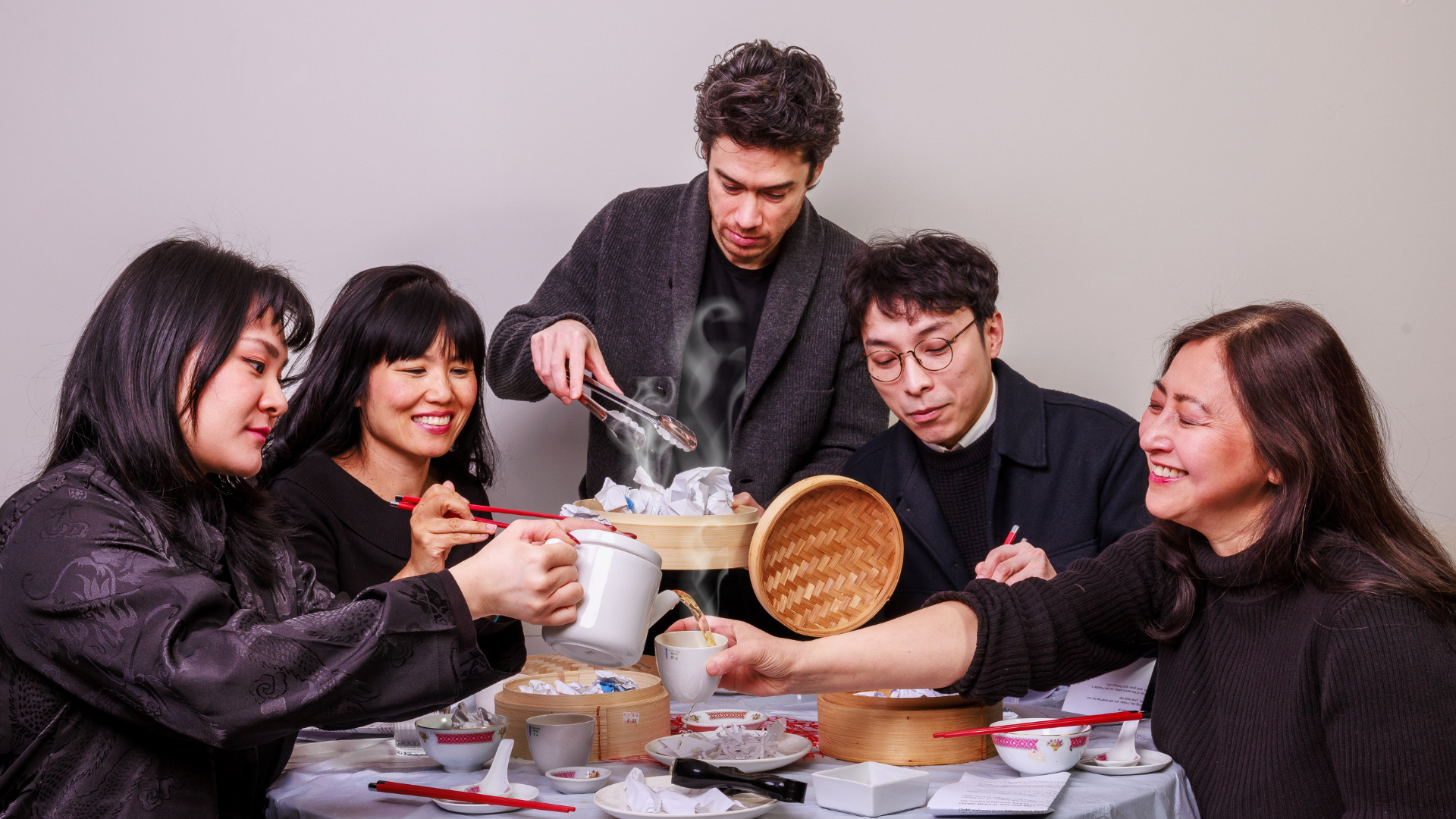
Damon Bradley Jang表示,在 Stratford Festival(史特拉福剧团)的两年时间里,他学到了很多关于公平,多元化和包容性的知识。 此前,这位受过卡皮拉诺大学训练的戏剧艺术家成为该剧团伯明罕音乐学院第一位有色人种男导演。
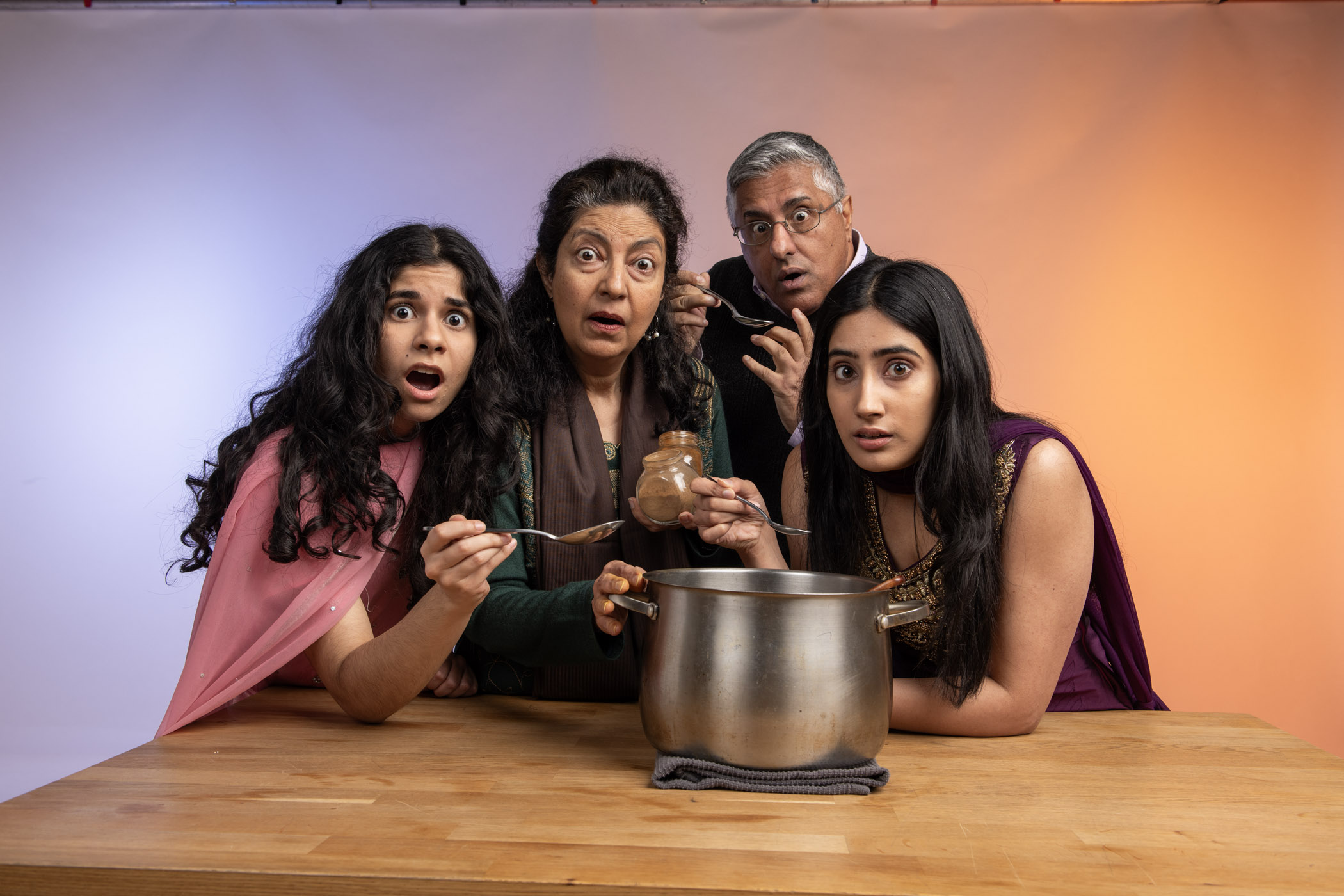
Lee Nisar 希望戏剧爱好者能在舞台上体验到酷儿穆斯林的喜悦之美。但当这位25岁的多伦多剧作家撰写《Dil Ka》的初稿时——这出戏将在北温哥华的 Presentation House Theatre 首演——它并没有种族成分。

一家国际艺术和设计制造公司将温哥华美术馆外展的一件设备作品列为2023年12件杰出公共艺术计划之一。Lani Maestro 的作品《没有痛苦比这个身体更痛苦 (No Pain Like This Body) 》于2022年11月18日至2023年4月9日期间于 West Georgia Street 的展场展出。
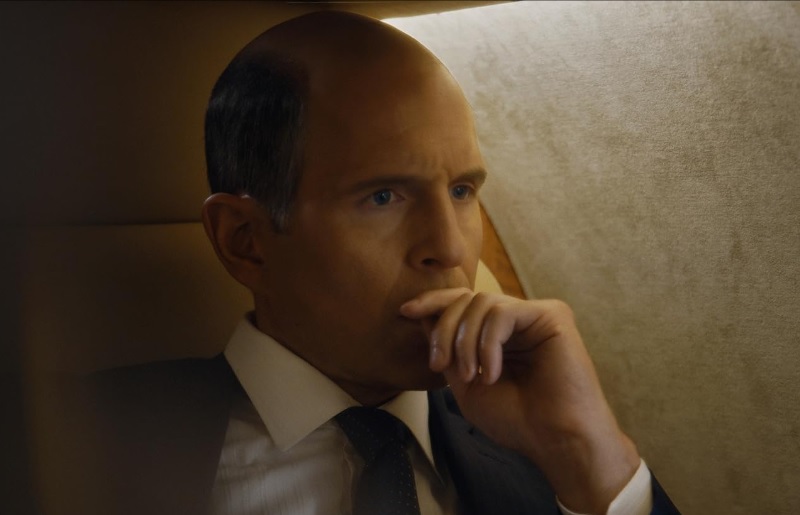
再次,卑诗省的电影制作人从加拿大电影与电视学院的提名中只得到了一点点安慰。今年的加拿大银幕奖 (Canadian Screen Award) 最佳影片奖 (Best Motion Picture) 的六项提名全部都颁给了多伦多或蒙特娄的制片公司。同样,六项最佳导演奖的提名也是如此。

是什么驱使两位富裕的父母逃离自己的祖国,带着三个孩子挤在拥挤的船里,冒着在海上渴死或海盗突袭的危险?魁北克导演 Charles-Olivier Michaud 在他出色的电影《漂,Ru》中提供了引人入胜的见解。这部电影改编自金翠 (Kim Thúy) 的同名自传小说,该小说获得加拿大总督文学奖(Governor General’s Award)。

跨学科艺术表演家 Jasmine Chen 表示,她的新剧《玉环 (Jade Circle) 》的种子在十多年前就已悄悄种下。2012年,在她的外婆去世后的几周里,这个故事大纲开始萌芽。当时,Chen 发现自己正在回想外婆教她的台湾儿歌片段。


到 Chantal Cardinal 工作室参观的访客一进门就会立刻看到一把大椅子悬挂在天花板上。但这把椅子不是用聚酯或其他合成织物制成的。相反地,这位前蒙特娄居民完全以手工制作这件作品,使用湿毛毡将羊毛纤维绑在一起,创造出手工毛毡。

一开始,黄文英的电影《车顶上的玄天上帝》看似是关于一位现代台湾女性在忙碌的职业生涯和照顾生病父亲之间的挣扎。然而,这部史诗般的作品剧情不仅止于此。故事的中心人物芙月正在查找精神上的寄托,凸显了道教在台湾的持久影响。此外,深富想像力的对话展示了随着性别平等程度的增加,人际关系性质上的变化。导演也小心翼翼地涉足台湾历史的变幻莫测之海,却没有与潜藏在海浪下的大怪物正面接触。

台湾竹艺师蔡惠婷 (Huei-Ting Tsai) 正为「从农场到餐桌 (farm-to-table)」这个词注入新的生命。在她的情境中,农场遍布着各种竹子,而餐桌则成为了工艺艺术家优雅竹灯的其中一个休息地点。

在马来西亚编剧兼导演的王礼霖的影片《富都青年》中,两兄弟显得截然相反。 台湾明星吴慷仁饰演的阿邦是两人中那个有责任感的人。 尽管聋哑,阿邦仍渴望工作,他在吉隆坡富都区的菜市场做切肉工,接受着低廉的工资。

温哥华农历节的座右铭「生来自由」在其年度音乐会上具有特殊意义。 为迎接龙年的到来,乌克兰音乐会钢琴家Anna Sagalova将上台演出。 2022 年俄罗斯入侵她的国家后,这位明星独奏家不得不逃离哈尔科夫

Historica Canada协会纪念第一位华裔加拿大橄榄球联盟球员。 协会新播放的《Heritage Minute》:林佐民的专栏讲述了他非凡的一生。林先生1929年出生于卡加利,在排华法案被废除一年后开始踢打职业橄榄球,该法案从1923年到1947年禁止几乎所有来自中国的移民。

想像在一个偏远的岛屿,数十名妇女因言论不慎或仅仅认识错误的人而被囚禁。想像她们必须以鲜血宣誓效忠无情的政权,成为其宣传者。拒绝这样做将意味着更多的苦难和更长的监禁。然后想像一位远在国家首都的军事统治者亲自决定谁能生存,谁将因拒绝接受再教育而被处决。

