
在温哥华这样的多元城市,「农历新年」这个名称比「中国新年」更加恰当
最近,温哥华市长沈观健(Ken Sim)将亚洲一个节日称为「农历新年」(Lunar New Year)。今年在唐人街举行的春节和农历新年庆祝活动,漂亮地呈现这个城市的多元性,以及其文化背景。

最近,温哥华市长沈观健(Ken Sim)将亚洲一个节日称为「农历新年」(Lunar New Year)。今年在唐人街举行的春节和农历新年庆祝活动,漂亮地呈现这个城市的多元性,以及其文化背景。

为庆祝在1月22日来临的兔年而在固兰湖岛举行的2023 温哥华新年艺术节开幕礼上,温哥华中选区国会议员费凯迪医生(Dr. Hedy Fry)发表了振奋人心的讲话。这名资深国会议员指出,兔「本应是传统女性美德的象征」,这些特质包括同情心、善良和创建和谐社区。

Ovi Mailhot在十年前从来没有想过自己会成为脍炙人口的海岸萨利希族(Coast Salish)艺术家。当时,这名海鸟岛(Seabird Island Band)居民是一名工业油漆工人。对他来说,这是一份不错的工作,除了薪金优厚外,工时也很适合他。
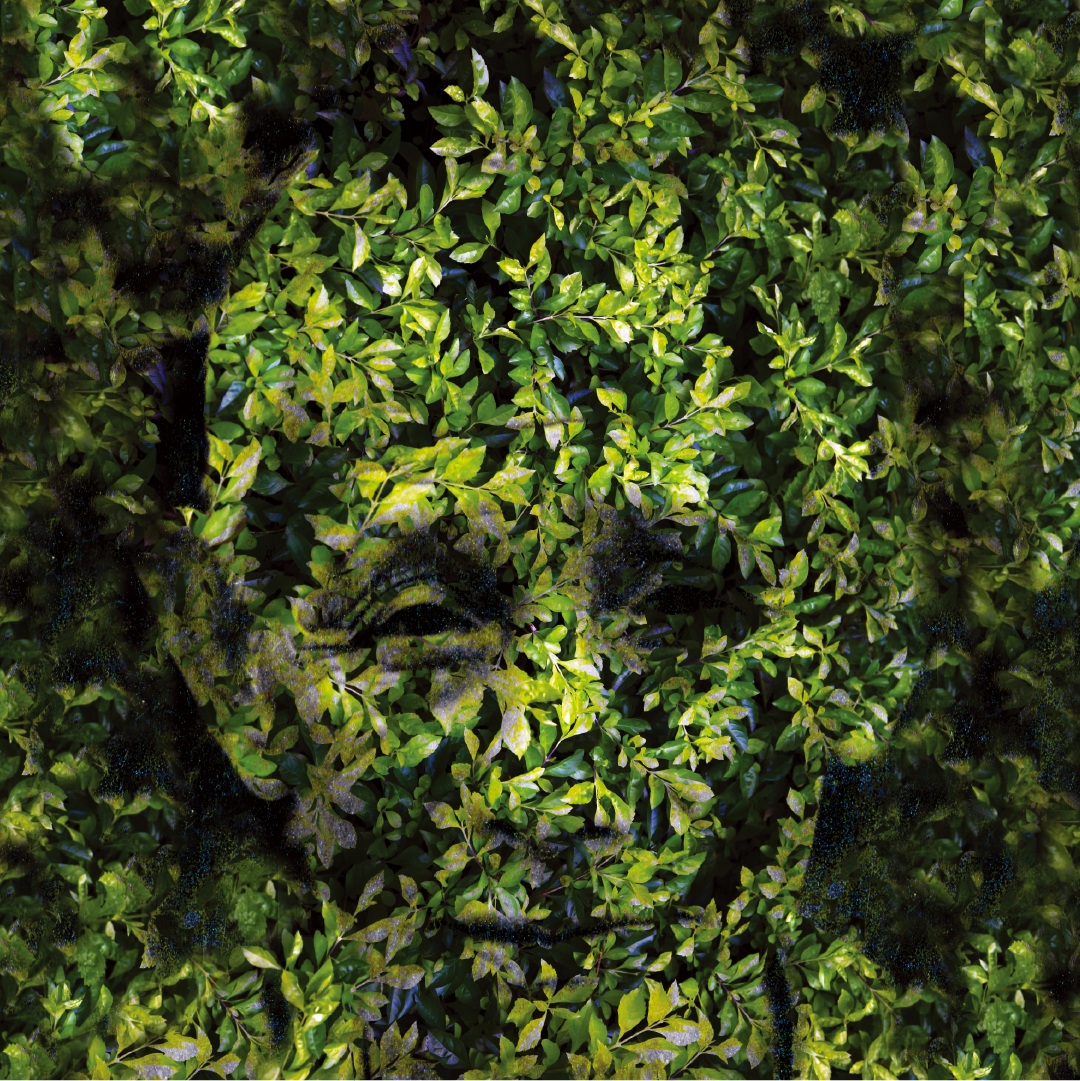
有些事情每逢农历新年都会发生。在没有疫情的时期,片打西街总会举行舞狮贺岁。英语媒体会就新一年生肖动物的起源访问一名亚裔人士,而不同政治家则会向投票给他们的亚裔选民发表新年贺辞。

一个南亚同性恋组织将会向电影制作人提供逾10,000元的现金奖。注册慈善团体Sher Vancouver计划于2024年6月在素里的City Centre Library举办首届Sundar Prize and Festival。该组织称,这个奖项和节日「旨在表扬藉著有意义和富信息性的故事,让世界变得美好的动人电影」。「Sundar」一词在梵文解作「美丽」。
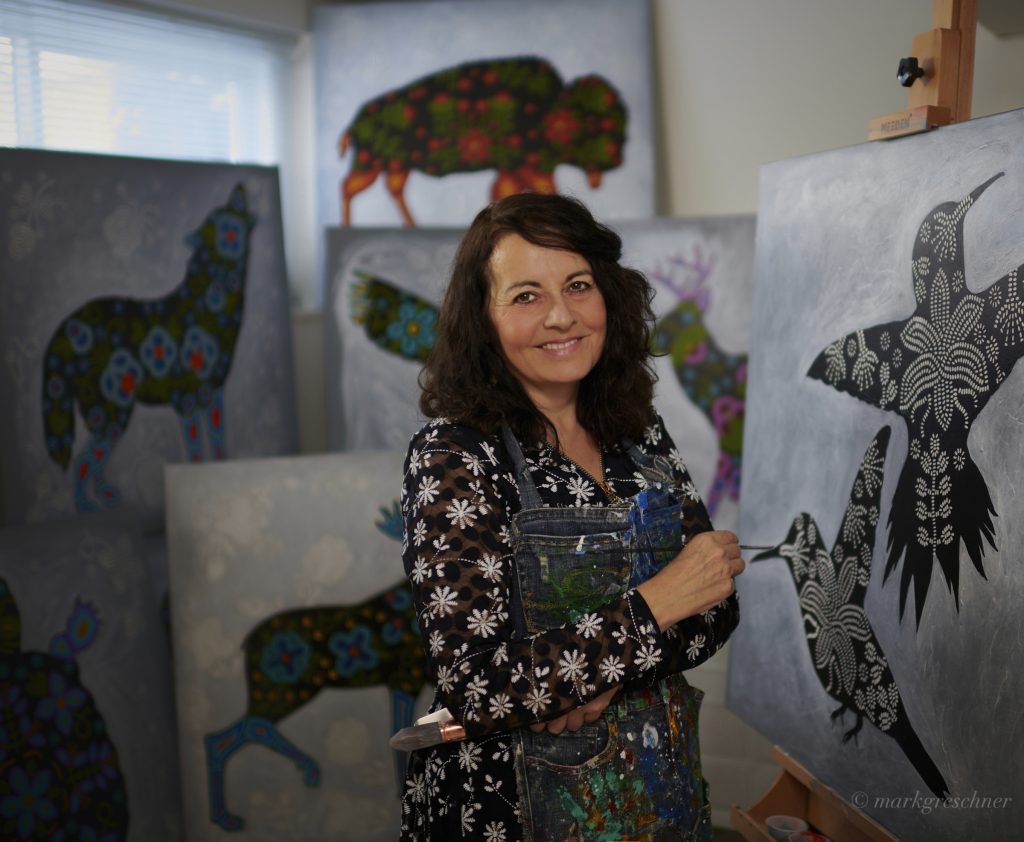
来自里贾纳的退休教师Phyllis Poitras-Jarrett不单希望创作优美的艺术品,更尝试透过兔子,水牛、地鼠和其他动物的画作,鼓励观赏者思考生物多样性,以及她的梅蒂(Métis)文化。Phyllis在家中透过Zoom视频会议向Pancouver表示,自己从小热爱艺术,而且颇具天份。

Elaine Ávila对于自己好评如潮,以葡萄牙法朵(fado)音乐为题材的舞台剧本月于Firehall Theatre再度公演乐得心花怒放。这名新西敏居民表示,在Donna Spencer的艺术指导下,剧场40年来屡创先河。

夸夸嘉夸族(Kwakwaka’wakw) 艺术家 Richard Hunt的成就煇煌。曾获颁授加拿大勋章和卑诗勋章的他,在青少年时期成为皇家卑诗博物馆(Royal B.C. Museum)的雕刻学徒,而他的导师正是同样为非凡艺术家的父亲Henry。

居于比利时的编舞者兼舞蹈家Moya Michael对身份的不固定性和复杂性非常清楚。在南非约翰内斯堡土生土长的她,早于年轻时就意识到这一点,更反映于她的作品《Coloured Swan》三部曲。

不入虎穴,焉得虎子是东温艺术家Jessie Sohpaul的座右铭。 虽然很多画家和插画家都喜欢以不同颜色进行创作,但Jessie却钟情黑白色调,有时候会加上一点金色或红色作点缀。

