
台湾漫画家阮光民于钟摆艺廊展览中,描绘标志性角色的内心世界
台湾漫画家、图像小说家阮光民 (Ruan Guang-min) 的作品中,从不见超级英雄击败邪恶势力的画面。他更喜欢透过笔下角色,刻画台湾庶民的心境、情感与价值观。

台湾漫画家、图像小说家阮光民 (Ruan Guang-min) 的作品中,从不见超级英雄击败邪恶势力的画面。他更喜欢透过笔下角色,刻画台湾庶民的心境、情感与价值观。

当呐帮人 (Suona Gang) 于周一(1月27日)开始演奏第二首歌曲时,部分观众才意识到,这场在历史悠久的奥芬剧院举行的演出非比寻常。《New Clothing Addict(新衣成瘾)》由姜均的笙独奏揭开序幕,这是一种通常在传统国乐团中演奏的乐器。

夜幕降临,八盏闪耀的灯笼点亮了温哥华美术馆前的 šxʷƛ̓ənəq Xwtl’e7énk 广场。这组流畅梦幻的艺术作品——《Hundred Pace Snake(百步蛇)》——象徵着爱、兄弟情谊与守护精神,由台湾艺术家廖小子 (Godkidlla) 精心创作。

John Murphy 指出,「左派自由派」常将特朗普的支持者视为一群未受过良好教育的乡巴佬。然而,这位温哥华剧场艺术家渴望透过执导 Will Arbery 的戏剧《Heroes of the Fourth Turning(第四转折的英雄)》来挑战这种假设。剧中的五位角色都是受过良好教育的特朗普选民,他们在辩论政治议题时展现出与自由派知识分子同样激烈的思辨能力。
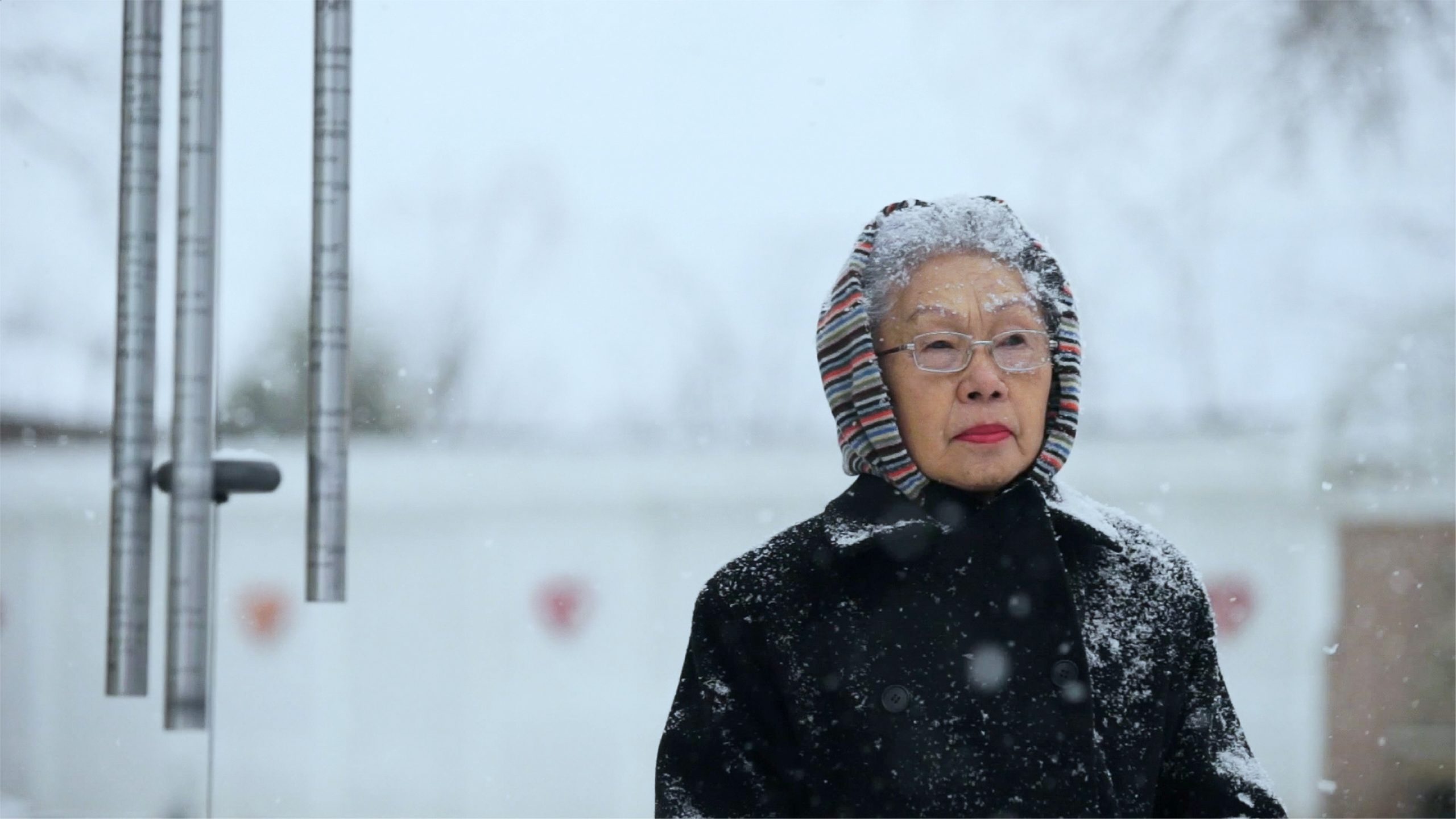
杨妈妈宛如一位走出陀思妥耶夫斯基小说的角色。就像《白痴》中的梅什金公爵,她展现了基督信仰中「爱邻如己」的理想。但不同的是,杨妈妈并非虚构人物,而是一位住在纽约的高龄移民寡妇。台湾导演李靖惠在她细腻的纪录片《Come Home, My Child(爱子归来)》中,记录了杨妈妈的真实人生。

当温哥华音乐人乐凡 (Van Lefan) 在台湾长大时,农历新年是一个「非常」重要的节日。亲戚们会来访,甚至从远方赶来,因为农历新年假期通常会持续一整个星期。「我们会聚在一起,进行各种传统的庆祝活动,」乐凡在 Zoom 上告诉《Pancouver》。「即使我的父母现在住在这里,跟大家族一起庆祝的感觉还是完全不同。」

下个月初,一群台湾音乐家将于固兰湖岛 (Granville Island) 巡演,演奏一种双簧高音的管乐器。唢呐 (suona) 通常与台湾的丧礼和其他传统仪式相关联。但充满活力且带有一点淘气的呐帮人 (Suona Gang),正重新诠释这种圆锥形乐器,为现代观众带来新鲜感。
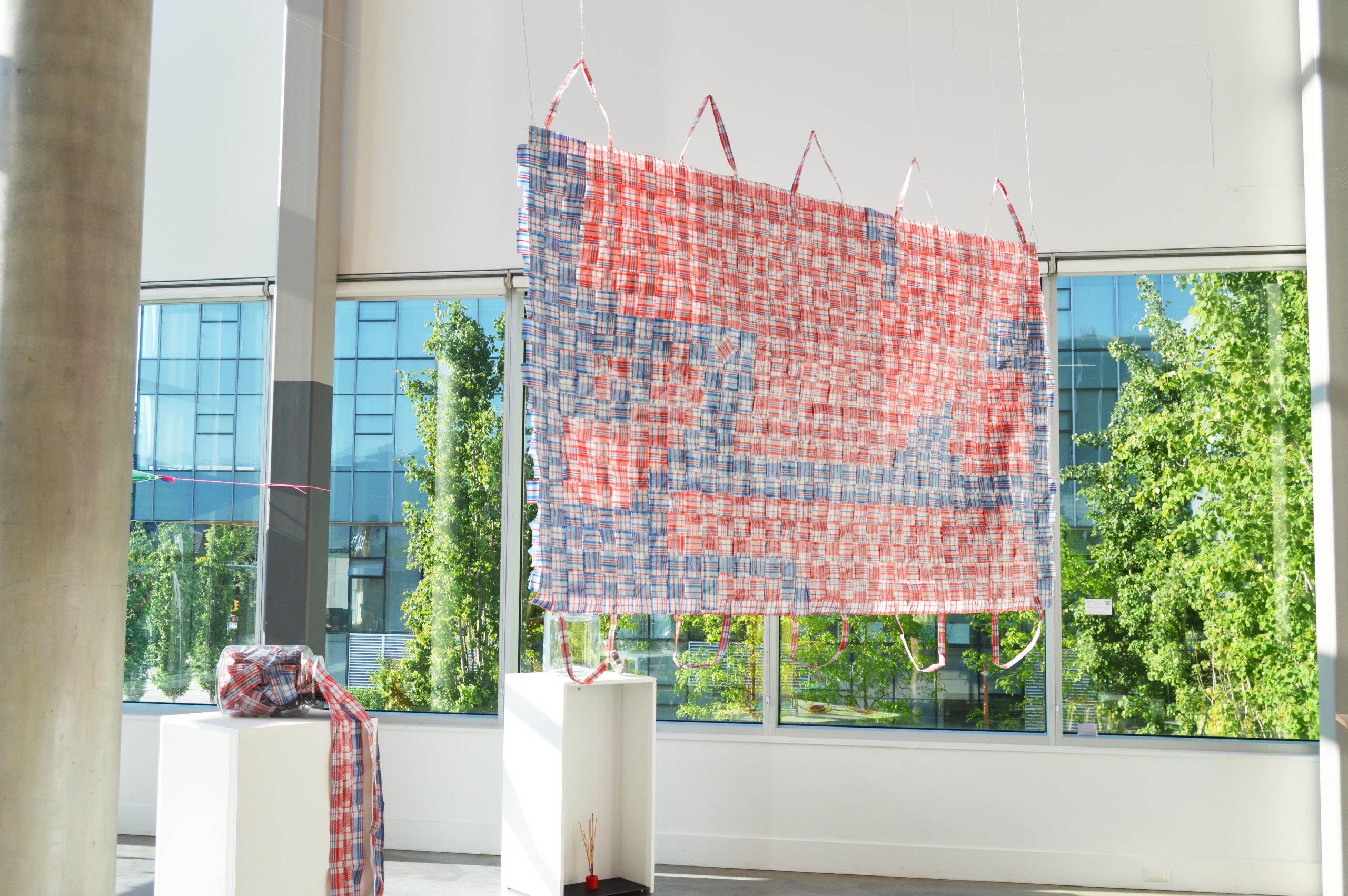
列治文美术馆 (Richmond Art Gallery) 即将推出两个全新以环境为主题的展览。其中,《Dear Plastic(亲爱的塑胶)》由 Zoë Chan 策划,这是一场群展,展出 Ari Bayuaji、Emily Hermant、Caroline Monnet、Alex Tedlie-Stursberg 及 Cheryl Wong 的作品。Chan 是列治文美术馆的策展人。
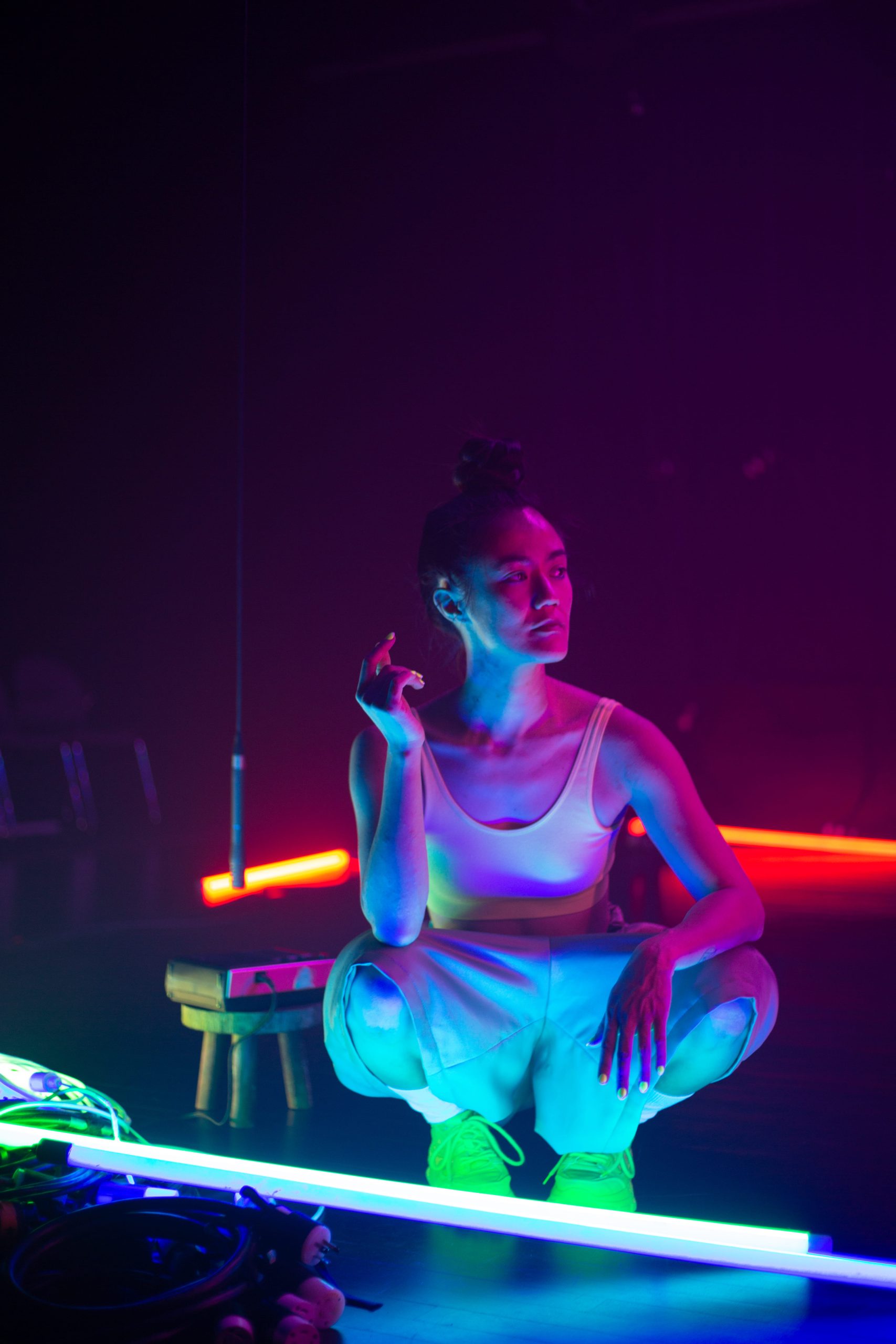
编舞家、舞者及电影制作人 Châu Kim-Sanh 正在努力以亚裔侨民的身份发声。她出生于法国,父母是越南人,并在 25 岁时移居加拿大。这让她成为所谓的越侨 (Việt Kiều) 的一员——即那些生活在越南以外的越南人。许多越南裔移民对祖国仍怀有深厚的情感。
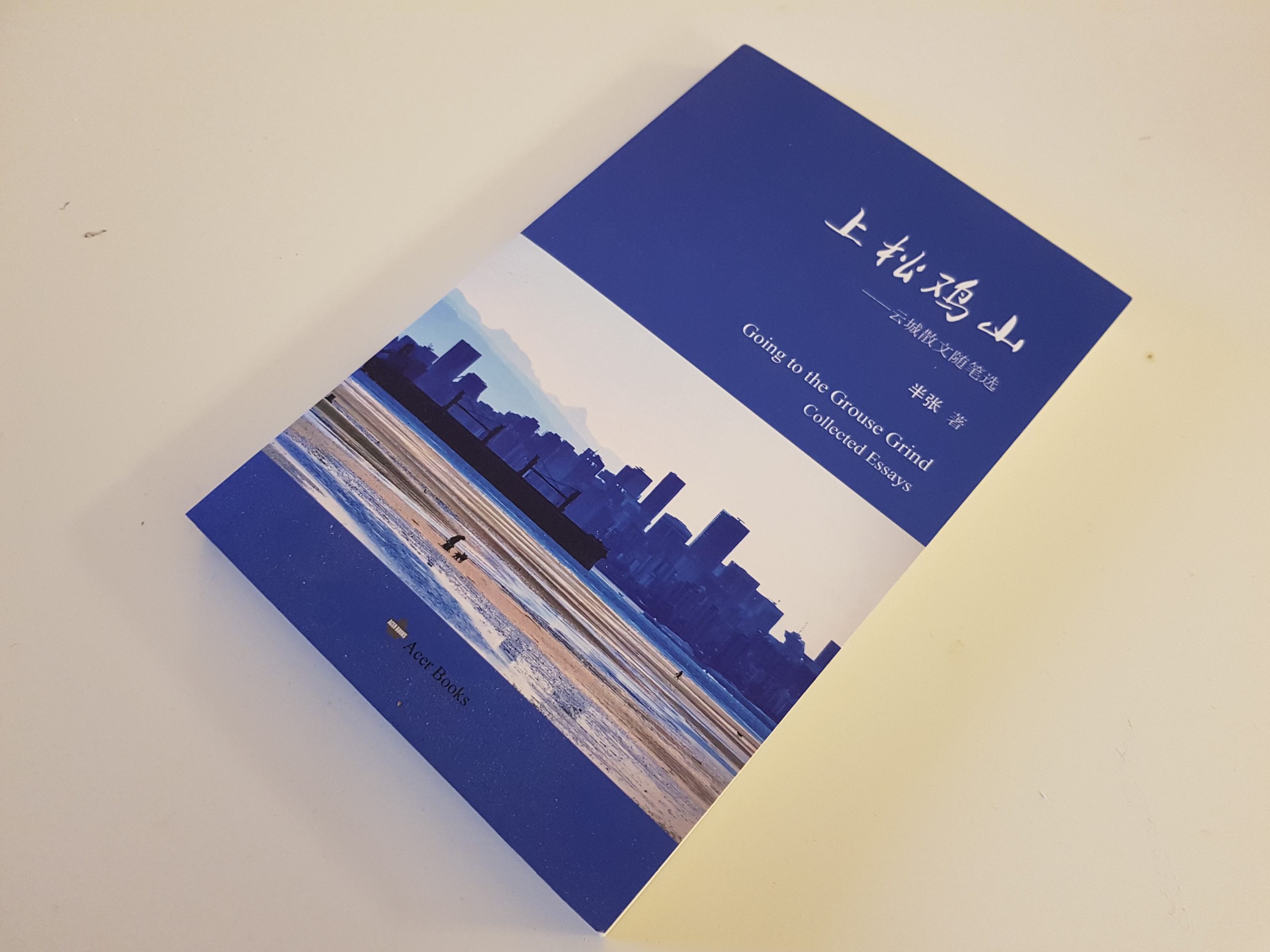
温哥华作家半张出生于上海,在温哥华生活了近 25 年。自移民以来,他积极参与志愿服务,帮助其他中国移民适应加拿大的生活。此外,半张还为《Voices & Bridges》,《Pancouver》和《Georgia Straight》等刊物撰写文章。

