
声音与表演艺术家谭亦斯在《Seeing Double // Walking at Night by Myself》中颠覆感官
谭亦斯 (Nancy Tam) 在安大略省康山 (Thornhill) 的一个学校操场上培养了对声音体验的热爱。这位温哥华的声音与表演艺术家10岁时,作为从香港移民到加拿大的一员,首次接触到如此宽广的开放空间。

谭亦斯 (Nancy Tam) 在安大略省康山 (Thornhill) 的一个学校操场上培养了对声音体验的热爱。这位温哥华的声音与表演艺术家10岁时,作为从香港移民到加拿大的一员,首次接触到如此宽广的开放空间。
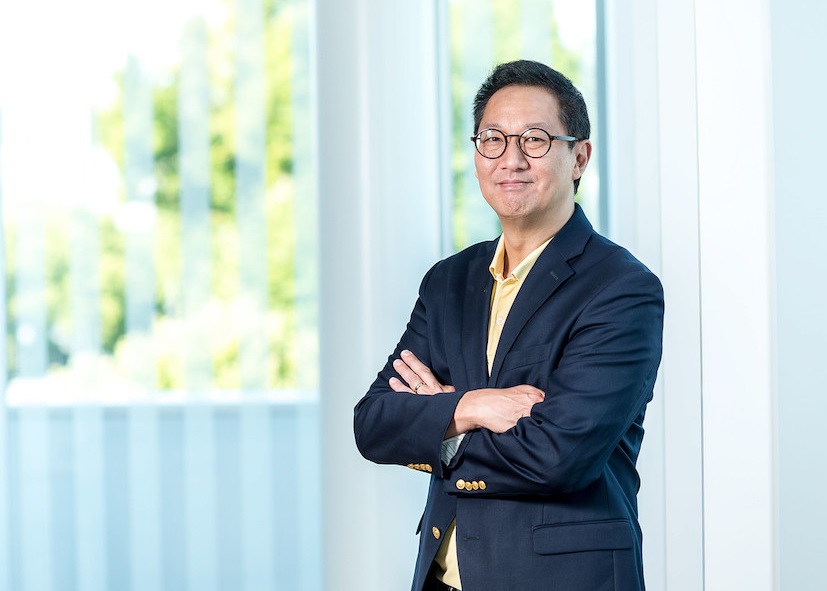
密西根大学正在终止与上海一所大学的合作关系,原因是国家安全问题。美联社报导指出,这所美国大学的校长小野三太 (Santa Ono) 透露,该校将在未来六个月内与上海交通大学终止合作关系。
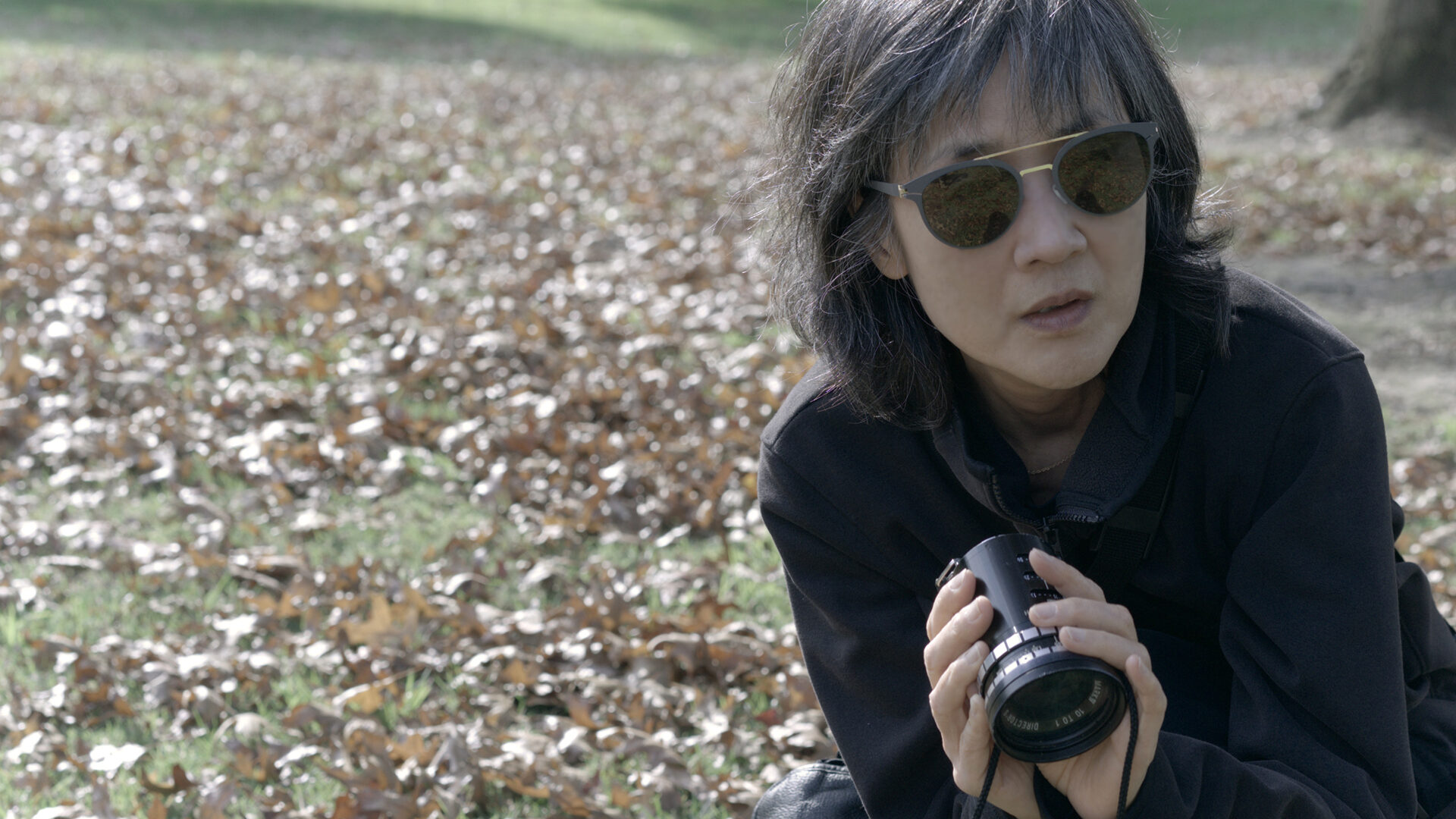
英属哥伦比亚大学亚洲独立电影展 (UBC Asian Independent Cinema Showcase) 与 Cinematheque 合作推出六部曲影展,回顾第二波香港新浪潮的重要导演罗卓瑶的作品。罗卓瑶(Clara Law) 出生于澳门,于英国国立电影电视学院制作了她的首部电影《外国的月亮圆些?(They Say the Moon Is Fuller Here)》作为毕业作品。该片于1985年以16毫米影片形式发行,并荣获芝加哥国际电影节银牌。

四十年来,Joe Laughlin 透过舞蹈快乐地联系并创建社群。作为 Joe INK 的创始艺术总监,他创作了十多个舞蹈作品,包括《4OUR》、《Dance:Craft》、《dusk》、《Retrospective: 25 Years》和《GRACE》等。

关于贾斯汀·杜鲁多 (Justin Trudeau) 决定辞任总理,外界将有各种评论。一些人可能批评他的大额赤字政策,或赞扬他在疫情期间推行的工资补贴计画,该计画帮助数百万加拿大人保住了工作。另一些人可能会聚焦于他对乌克兰的支持,或批评他未能大幅减少加拿大的温室气体排放。

许多时候,我觉得书评在揭示作者的同时,也能反映出评论者的想法。考虑到这一点,我不会对 Minelle Mahtani 的《May It Have a Happy Ending: A Memoir of Finding My Voice as My Mother Lost Hers》进行深入评论。Mahtani 是 UBC加拿大研究学系主任,她的故事不需要通过与她生活经验截然不同的白人男性记者的视角来诠释
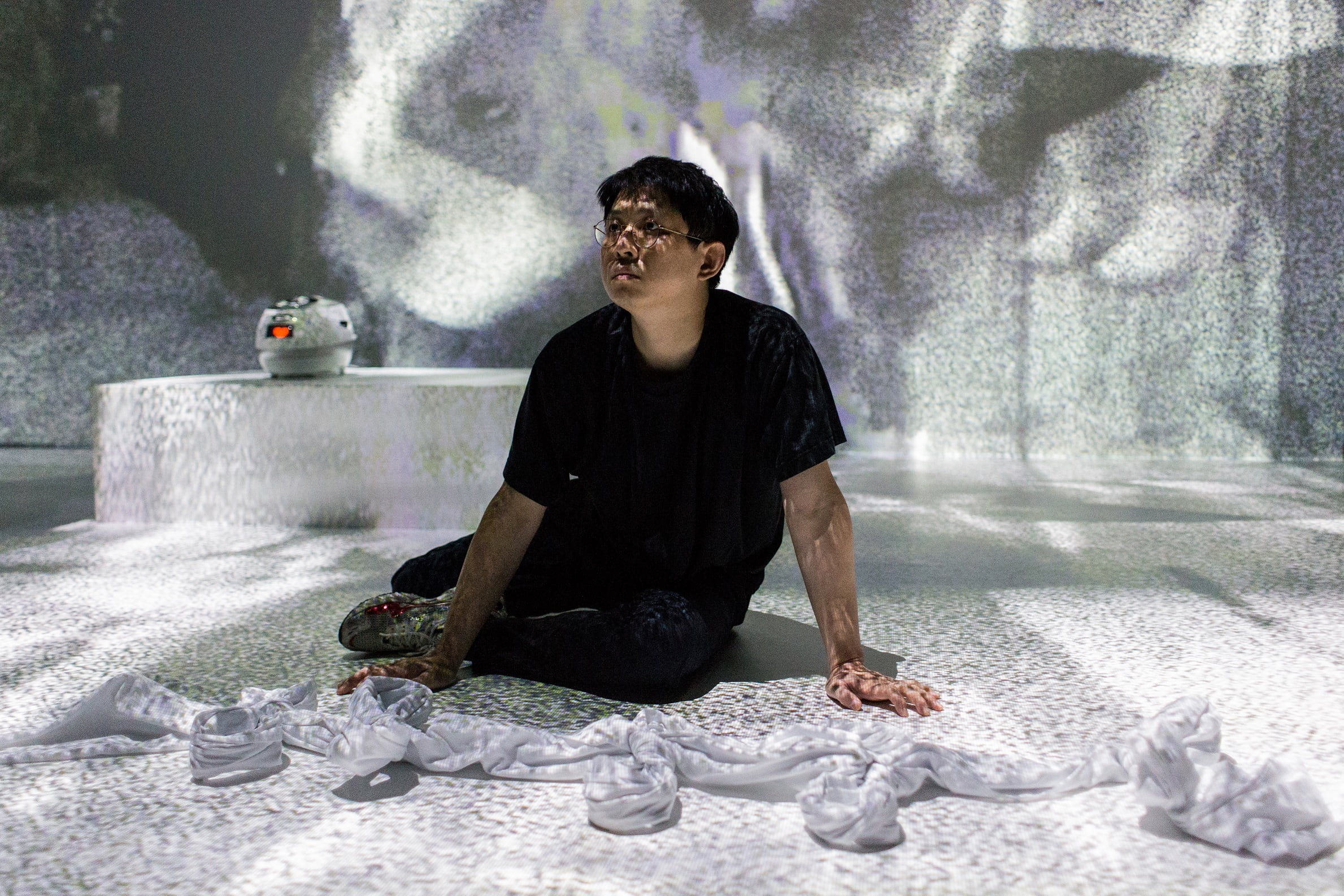
艺术家具滋昰 (Jaha Koo) 专注于探索帝国主义对他的祖国南韩的影响,并以此创建了自己的表演艺术事业。在与《Pancouver》的 Zoom 访谈中,这位目前居住于比利时的剧场创作者兼作曲家回忆起2008年的一段深刻的文化失调经历,这启发了他的多媒体表演《The History of Korean Western Theatre(韩国西方剧场史)》。该表演将于1月23日和24日,作为温哥华PuSh国际表演艺术节 (PuSh International Performing Arts Festival) 的一部分登台演出。
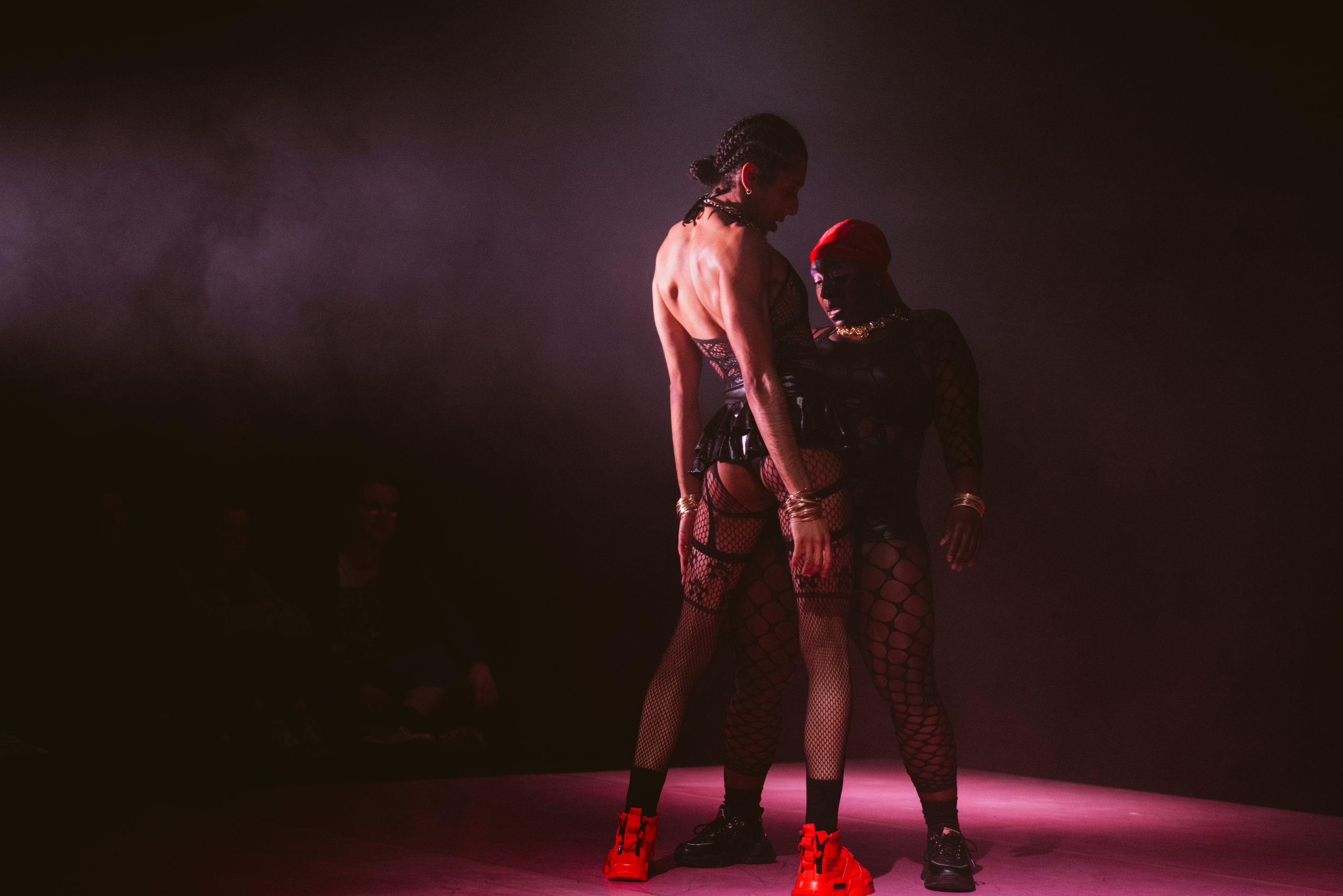
跨学科表演艺术家与作家 Ray Young(they/them)非常珍视让人能够全然表达自我的安全空间。事实上,这位居住于诺丁汉的《OUT》导演将为因交叉身份而感到边缘化的艺术家和观众创造空间,视为其使命。
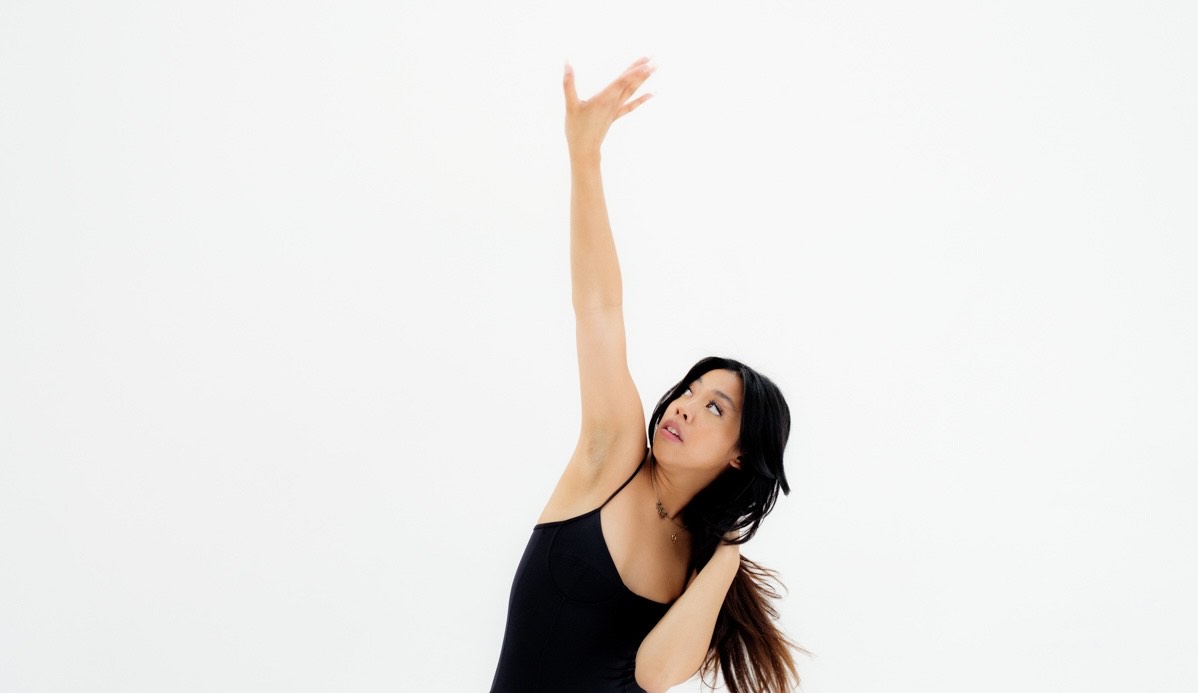
短篇纪录片《Gaby》开场时,一位年轻的温哥华编舞家正流畅且轻松地在一面落地镜前练习街舞动作。在影片旁白中,Gabrielle Tumaneng 将她的艺术形式描述为「一种对歌曲进行诠释的视觉表现」。
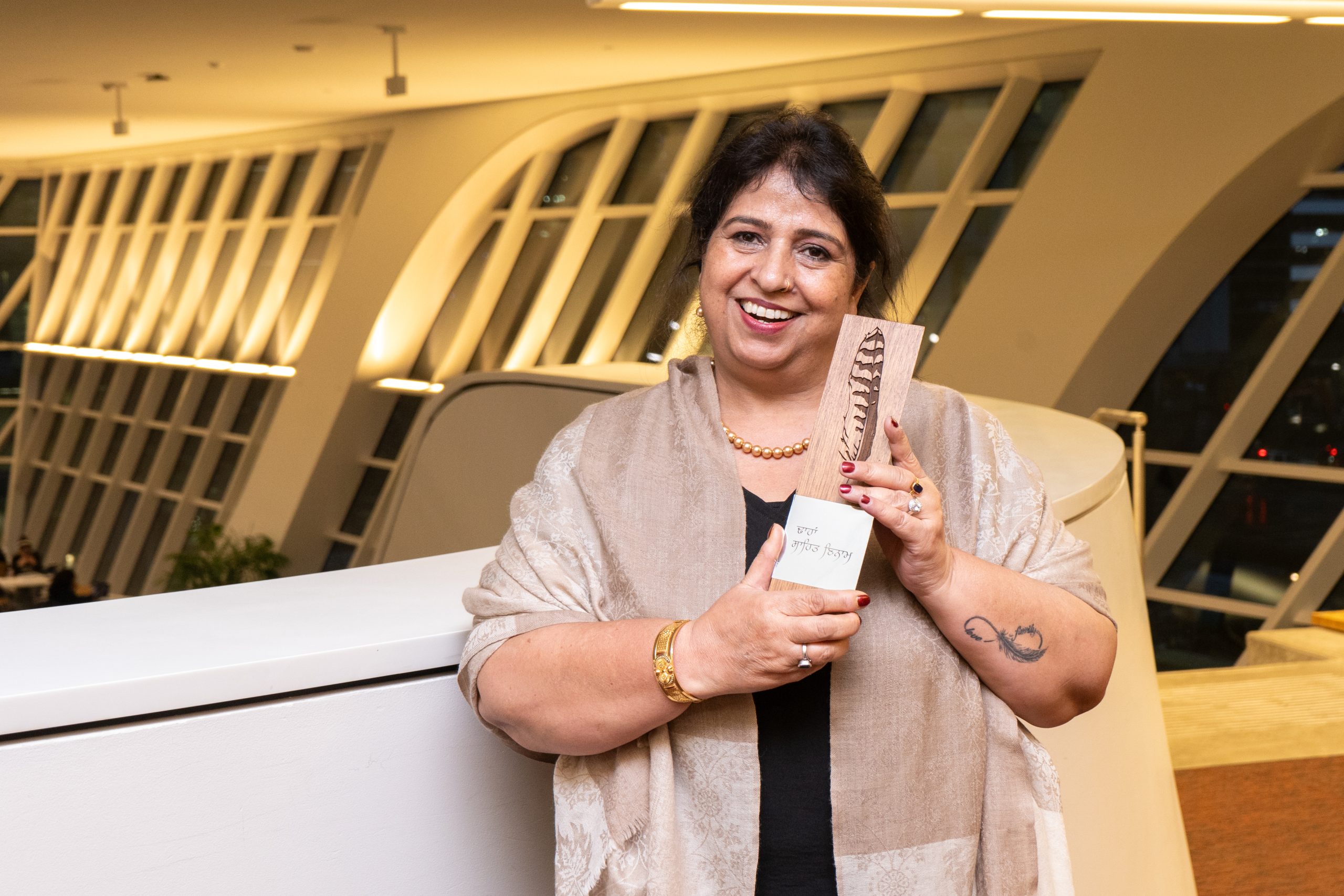
印度作家 Surinder Neer 认为《Taboo(禁忌)》是她最新旁遮普短篇故事集的理想书名,因为她的国家每天都有许多人面对各种禁忌。「有家庭的禁忌;有宗教的禁忌;有社会的禁忌。」Neer 透过 Zoom 告诉 《Pancouver》,「而且这些禁忌无处不在。」

