
溫哥華藝術家兼準教師Rachel Smith ~ai̓xcemǧa將作品《光明未來》帶到固蘭湖島
不少偉大藝術家都曾展現能屈能伸的能力和意願。以梵高(Vincent Van Gogh)為例,他在1885年完成的畫作《吃馬鈴薯的人》(The Potato Eaters)和其他早期作品慣用大地色系,氣氛也比較陰沉,到了人生後期才轉用繽紛奪目的色彩。

不少偉大藝術家都曾展現能屈能伸的能力和意願。以梵高(Vincent Van Gogh)為例,他在1885年完成的畫作《吃馬鈴薯的人》(The Potato Eaters)和其他早期作品慣用大地色系,氣氛也比較陰沉,到了人生後期才轉用繽紛奪目的色彩。

2023年1 月 22 日在溫哥華Orpheum 舉行的農曆新年音樂會,由指揮Nicholas Urquhart帶領下演出相當精彩。但是觀眾可能沒注意到一位多才多藝小提琴家,20年前從台灣移民來的Tom Su 蘇恩聖,現在他是 Harmonia樂團眾多穿著優雅成員之一,儘管他在溫哥華最大音樂廳舞台表現出色,但他承認以前在大批觀眾前會緊張甚至影響他拉奏的手。

一名朋友曾經告訴我甚麼是「三的法則」(rule of three),即是在任何演說中僅列出三個重點,以免令觀眾混淆的智慧。我決定借用這法則,來回顧昨晚在奧芬劇院(the Orpheum)舉行的Together We Are!音樂會。

去年的溫哥華亞洲電影節(Vancouver Asian Film Festival)以「再現的重要性」(Representation Matters)為主題。隨著今屆奧斯卡金像獎提名出爐,亞裔再現於電影踏出了重大的一步。

最近,溫哥華市長沈觀健(Ken Sim)將亞洲一個節日稱為「農曆新年」(Lunar New Year)。今年在唐人街舉行的春節和農曆新年慶祝活動,漂亮地呈現這個城市的多元性,以及其文化背景。

為慶祝在1月22日來臨的兔年而在固蘭湖島舉行的2023 溫哥華新年藝術節開幕禮上,溫哥華中選區國會議員費凱迪醫生(Dr. Hedy Fry)發表了振奮人心的講話。這名資深國會議員指出,兔「本應是傳統女性美德的象徵」,這些特質包括同情心、善良和建立和諧社區。

Ovi Mailhot在十年前從來沒有想過自己會成為膾炙人口的海岸薩利希族(Coast Salish)藝術家。當時,這名海鳥島(Seabird Island Band)居民是一名工業油漆工人。對他來說,這是一份不錯的工作,除了薪金優厚外,工時也很適合他。
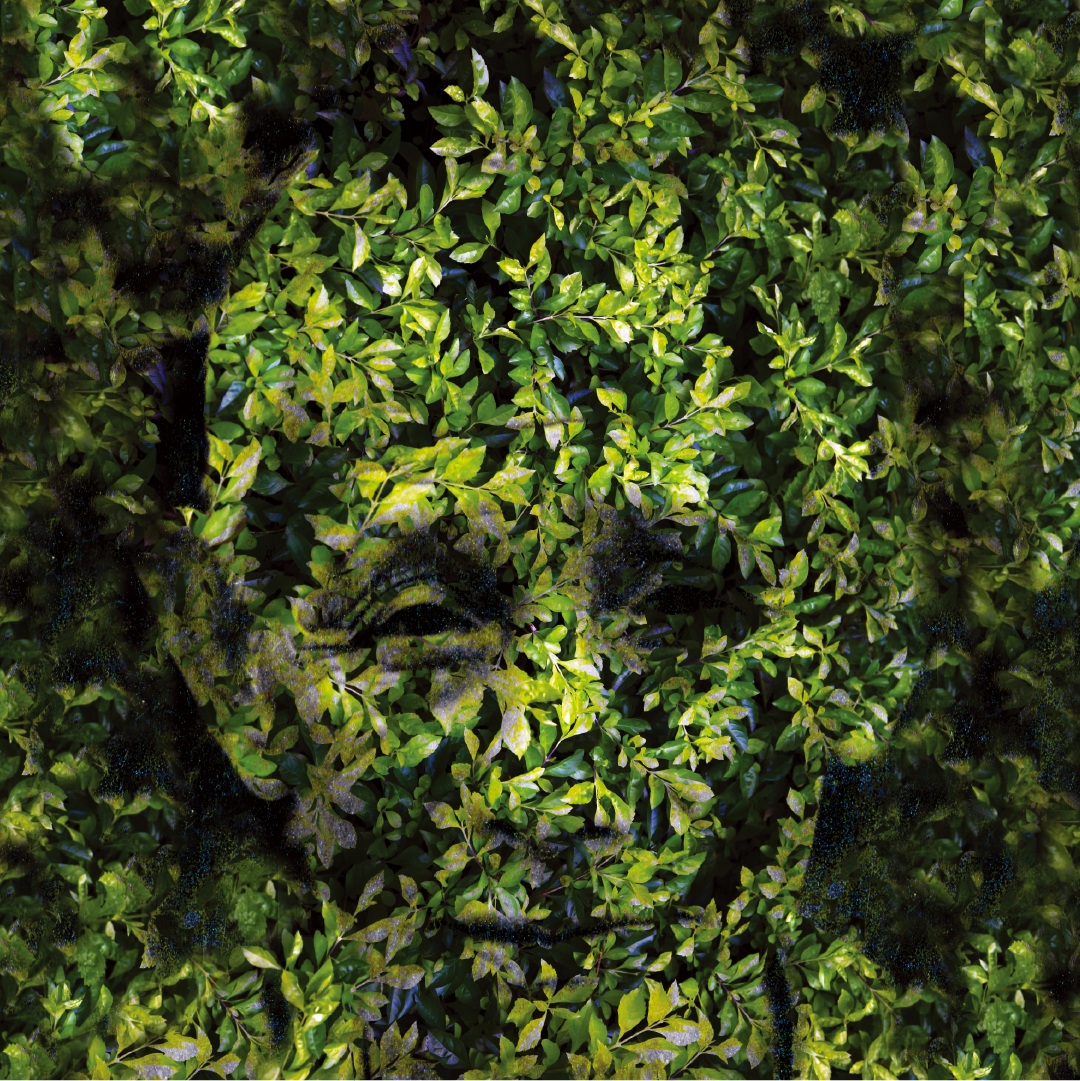
有些事情每逢農曆新年都會發生。在沒有疫情的時期,片打西街總會舉行舞獅賀歲。英語媒體會就新一年生肖動物的起源訪問一名亞裔人士,而不同政治家則會向投票給他們的亞裔選民發表新年賀辭。

一個南亞同性戀組織將會向電影製作人提供逾10,000元的現金獎。註冊慈善團體Sher Vancouver計劃於2024年6月在素里的City Centre Library舉辦首屆Sundar Prize and Festival。該組織稱,這個獎項和節日「旨在表揚藉著有意義和富資訊性的故事,讓世界變得美好的動人電影」。「Sundar」一詞在梵文解作「美麗」。
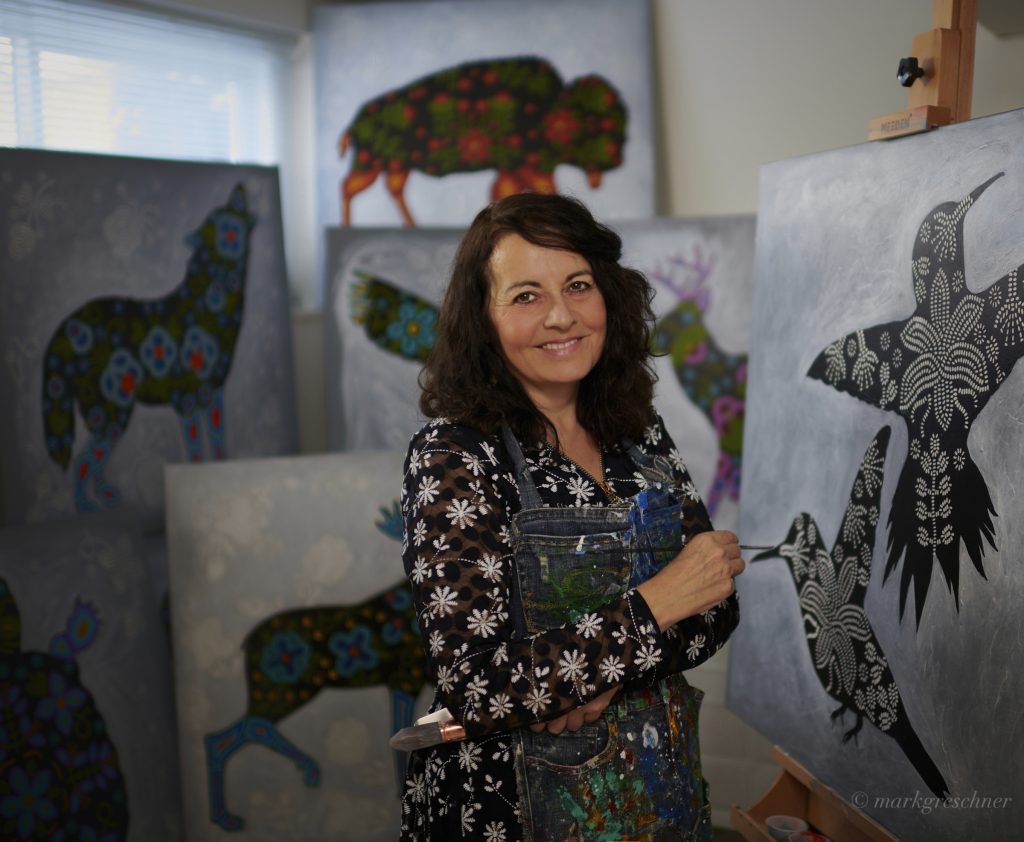
來自里賈納的退休教師Phyllis Poitras-Jarrett不單希望創作優美的藝術品,更嘗試透過兔子,水牛、地鼠和其他動物的畫作,鼓勵觀賞者思考生物多樣性,以及她的梅蒂(Métis)文化。Phyllis在家中透過Zoom視訊會議向Pancouver表示,自己從小熱愛藝術,而且頗具天份。

