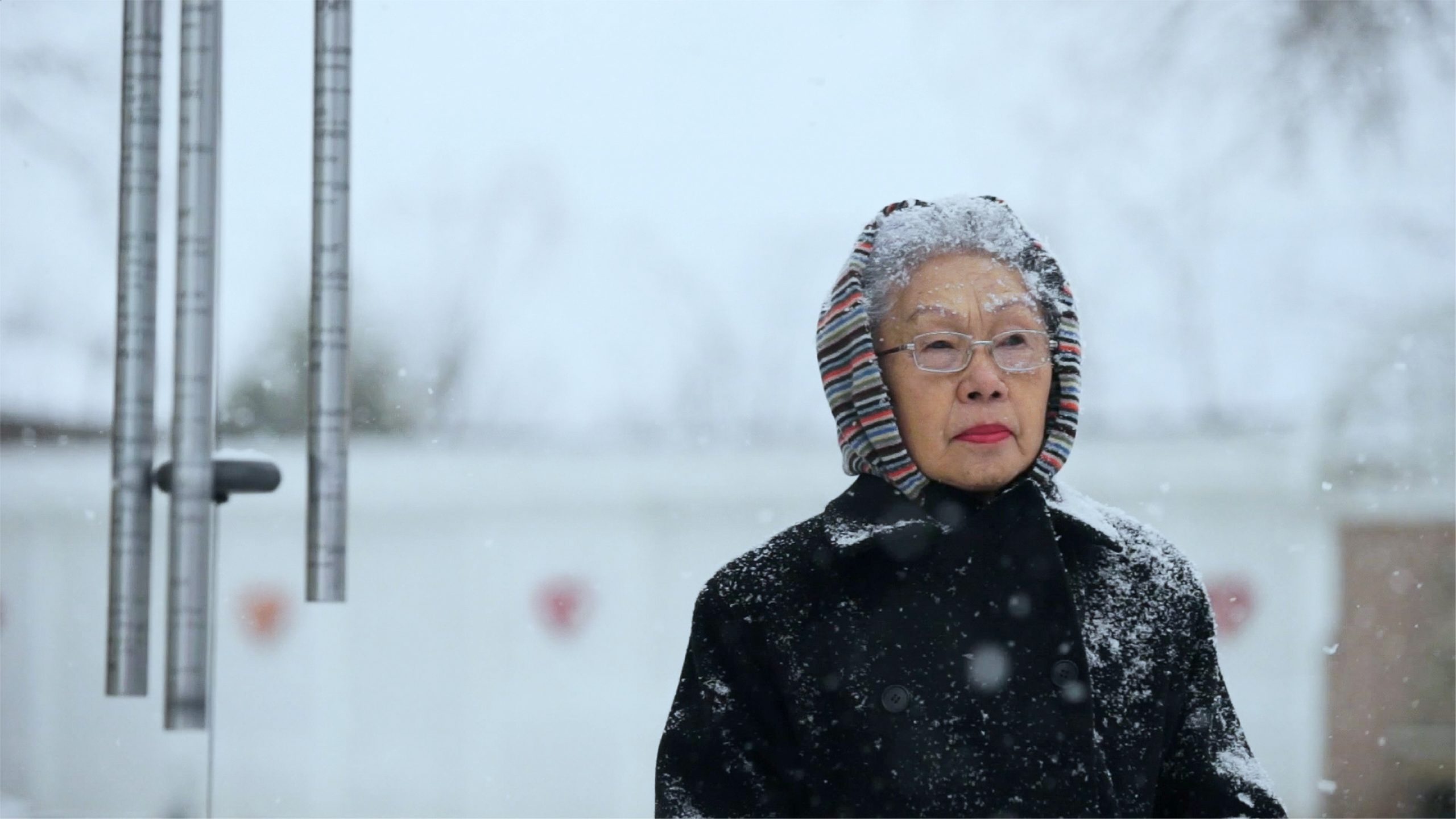
楊媽媽在《愛子歸來》中展現何謂人性
楊媽媽宛如一位走出陀思妥耶夫斯基小說的角色。就像《白痴》中的梅什金公爵,她展現了基督信仰中「愛鄰如己」的理想。但不同的是,楊媽媽並非虛構人物,而是一位住在紐約的高齡移民寡婦。台灣導演李靖惠在她細膩的紀錄片《Come Home, My Child(愛子歸來)》中,記錄了楊媽媽的真實人生。

楊媽媽宛如一位走出陀思妥耶夫斯基小說的角色。就像《白痴》中的梅什金公爵,她展現了基督信仰中「愛鄰如己」的理想。但不同的是,楊媽媽並非虛構人物,而是一位住在紐約的高齡移民寡婦。台灣導演李靖惠在她細膩的紀錄片《Come Home, My Child(愛子歸來)》中,記錄了楊媽媽的真實人生。

當溫哥華音樂人樂凡 (Van Lefan) 在台灣長大時,農曆新年是一個「非常」重要的節日。親戚們會來訪,甚至從遠方趕來,因為農曆新年假期通常會持續一整個星期。「我們會聚在一起,進行各種傳統的慶祝活動,」樂凡在 Zoom 上告訴《Pancouver》。「即使我的父母現在住在這裡,跟大家族一起慶祝的感覺還是完全不同。」

下個月初,一群台灣音樂家將於固蘭湖島 (Granville Island) 巡演,演奏一種雙簧高音的管樂器。嗩吶 (suona) 通常與台灣的喪禮和其他傳統儀式相關聯。但充滿活力且帶有一點淘氣的吶幫人 (Suona Gang),正重新詮釋這種圓錐形樂器,為現代觀眾帶來新鮮感。
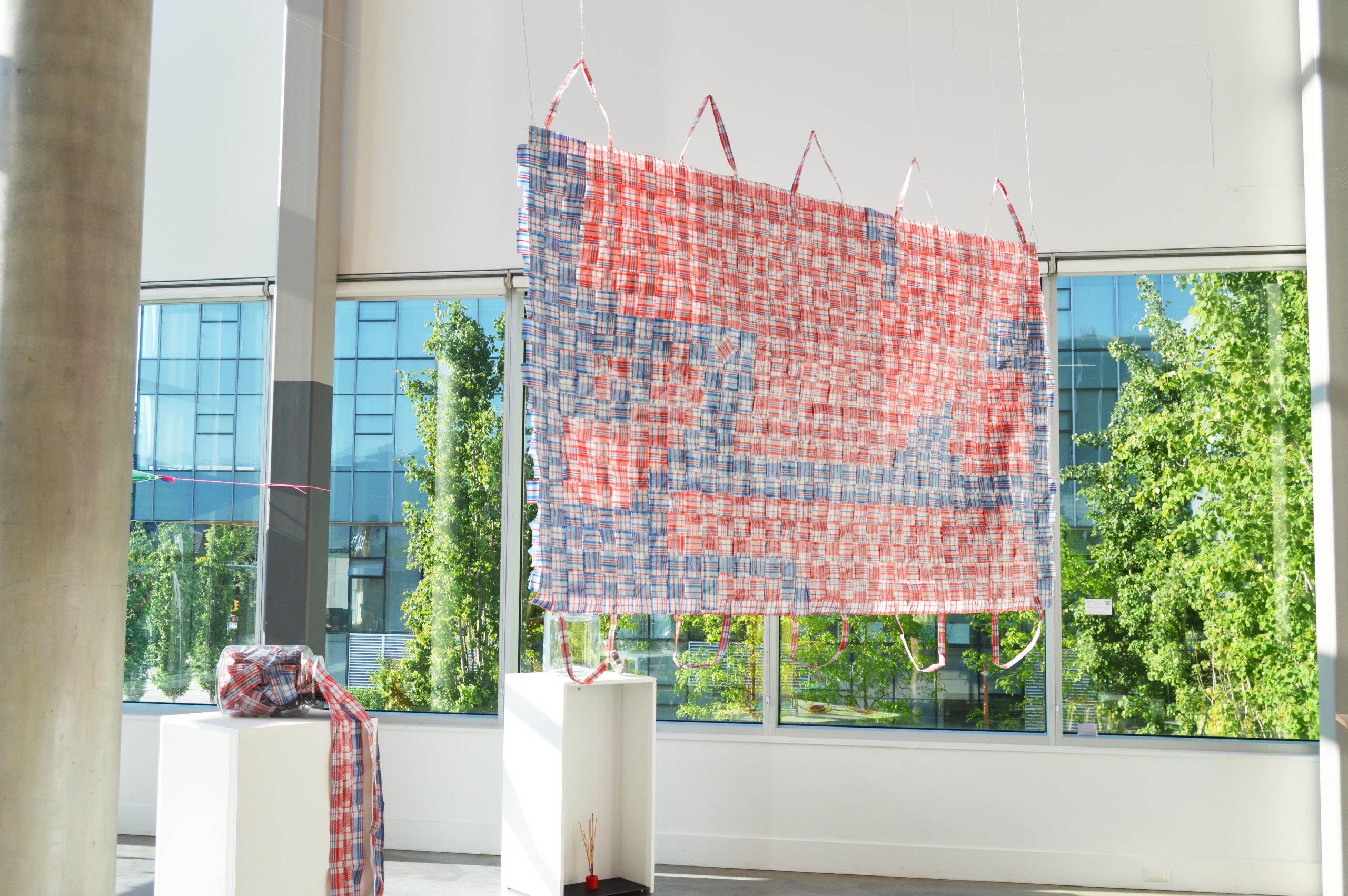
列治文美術館 (Richmond Art Gallery) 即將推出兩個全新以環境為主題的展覽。其中,《Dear Plastic(親愛的塑膠)》由 Zoë Chan 策劃,這是一場群展,展出 Ari Bayuaji、Emily Hermant、Caroline Monnet、Alex Tedlie-Stursberg 及 Cheryl Wong 的作品。Chan 是列治文美術館的策展人。
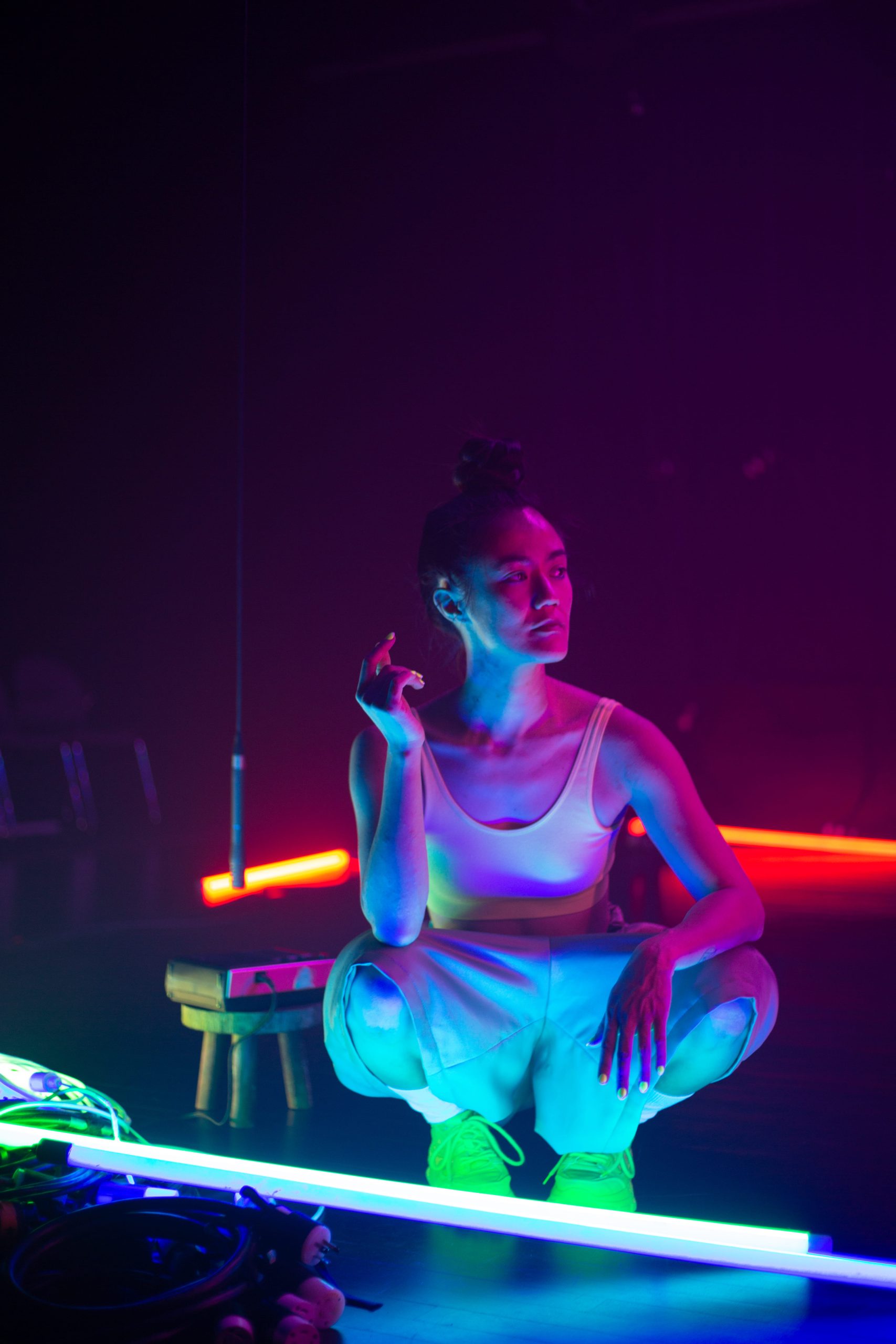
編舞家、舞者及電影製作人 Châu Kim-Sanh 正在努力以亞裔僑民的身份發聲。她出生於法國,父母是越南人,並在 25 歲時移居加拿大。這讓她成為所謂的越僑 (Việt Kiều) 的一員——即那些生活在越南以外的越南人。許多越南裔移民對祖國仍懷有深厚的情感。
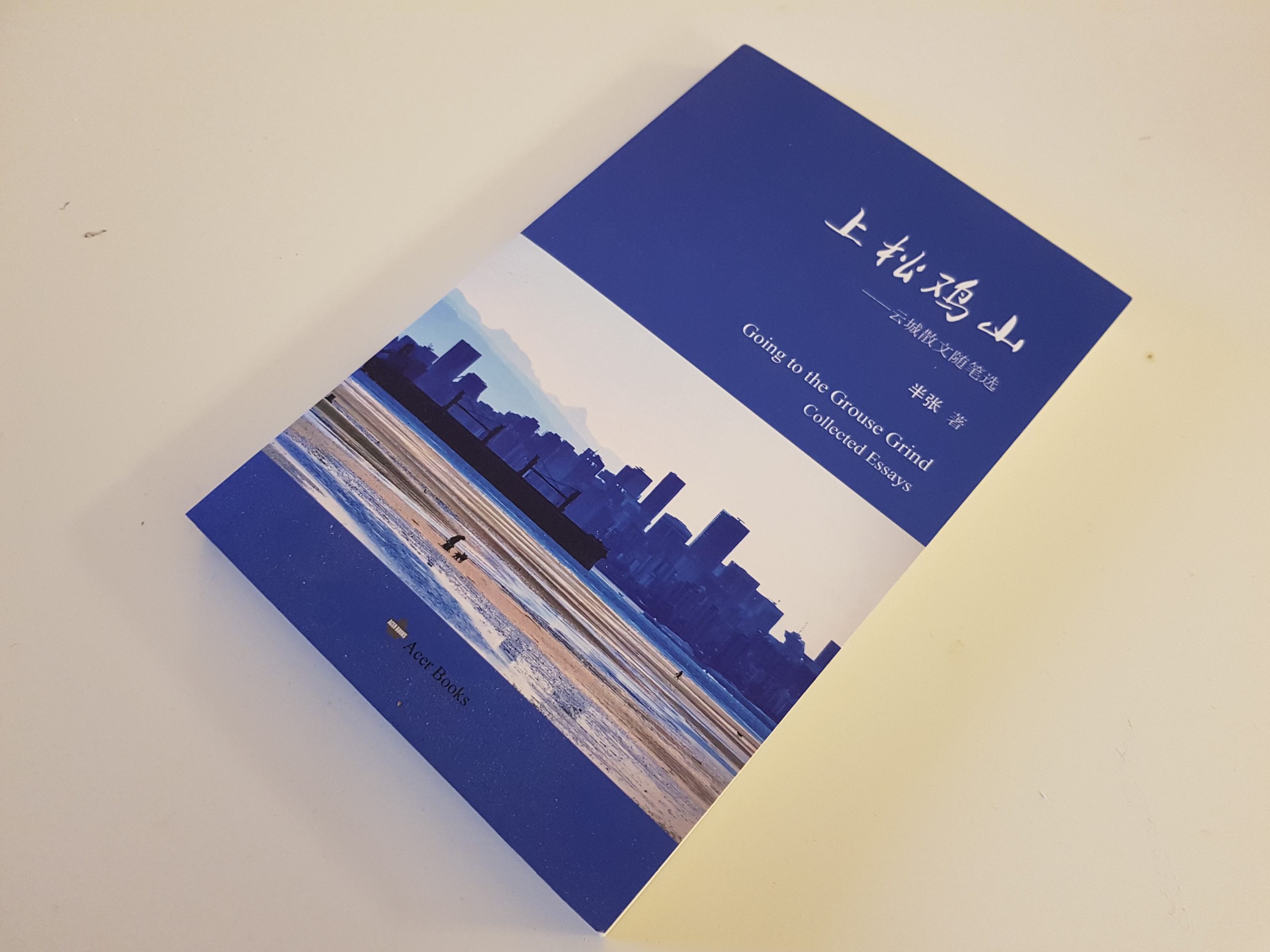
溫哥華作家半張出生於上海,在溫哥華生活了近 25 年。自移民以來,他積極參與志願服務,幫助其他中國移民適應加拿大的生活。此外,半張還為《Voices & Bridges》,《Pancouver》和《Georgia Straight》等刊物撰寫文章。

譚亦斯 (Nancy Tam) 在安大略省康山 (Thornhill) 的一個學校操場上培養了對聲音體驗的熱愛。這位溫哥華的聲音與表演藝術家10歲時,作為從香港移民到加拿大的一員,首次接觸到如此寬廣的開放空間。
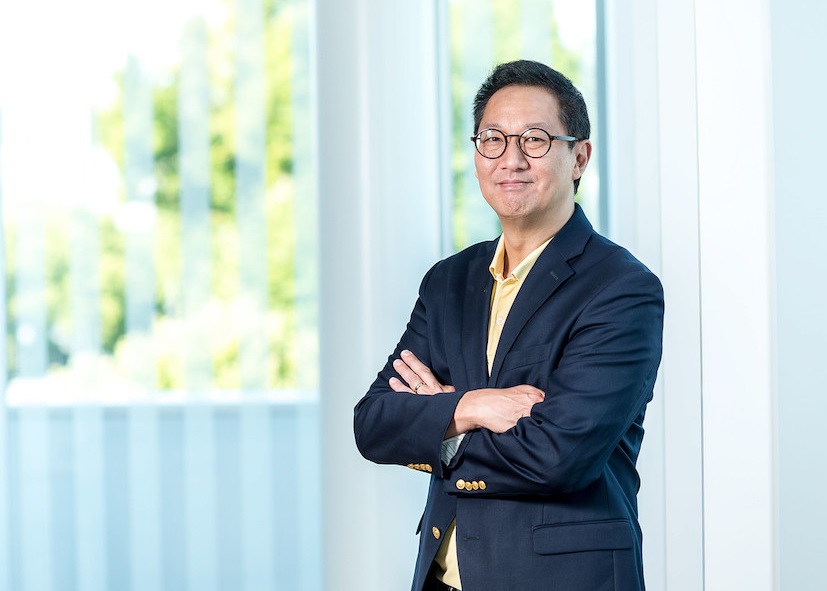
密西根大學正在終止與上海一所大學的合作關係,原因是國家安全問題。美聯社報導指出,這所美國大學的校長小野三太 (Santa Ono) 透露,該校將在未來六個月內與上海交通大學終止合作關係。
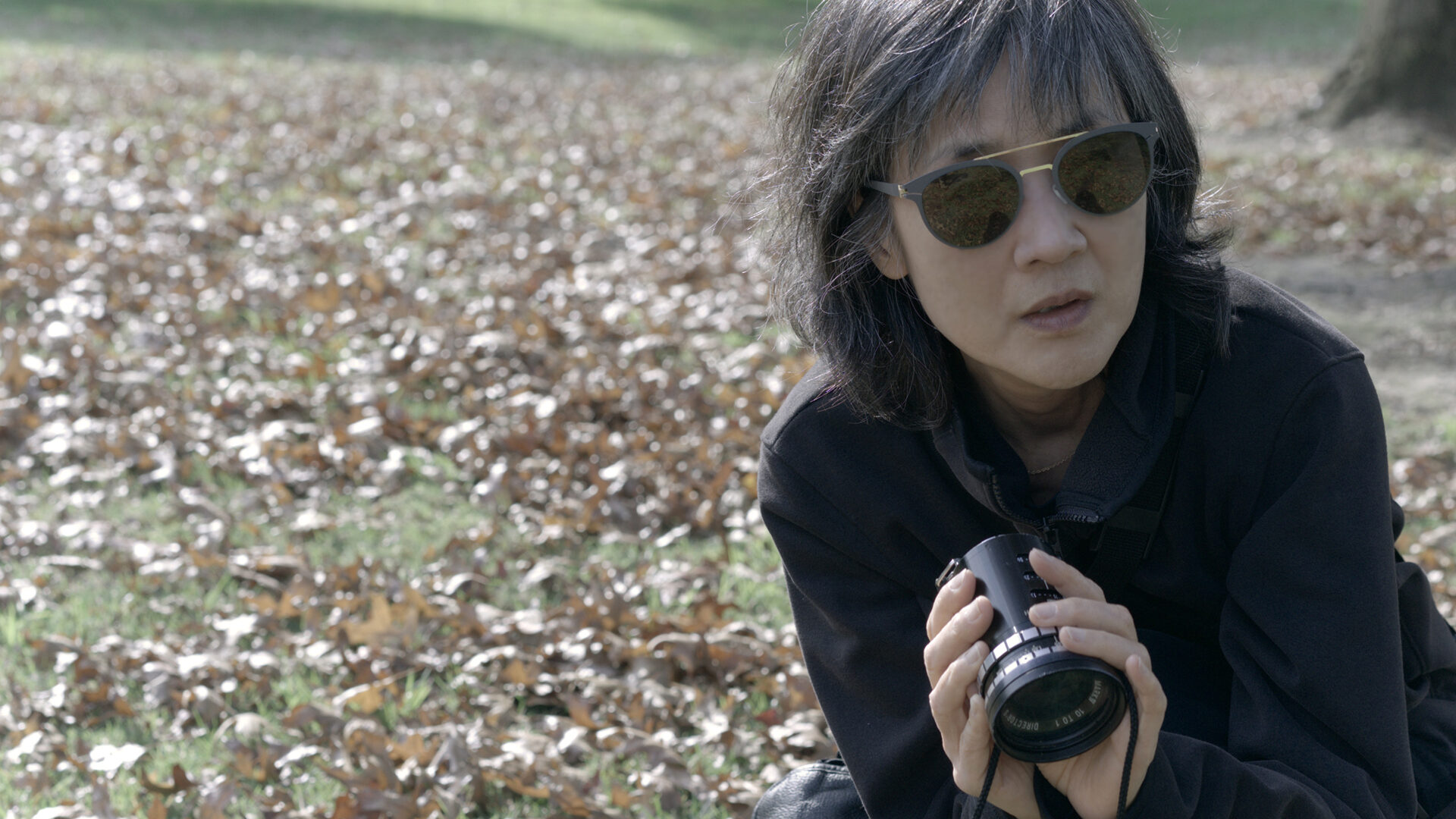
英屬哥倫比亞大學亞洲獨立電影展 (UBC Asian Independent Cinema Showcase) 與 Cinematheque 合作推出六部曲影展,回顧第二波香港新浪潮的重要導演羅卓瑤的作品。羅卓瑤(Clara Law) 出生於澳門,於英國國立電影電視學院製作了她的首部電影《外國的月亮圓些?(They Say the Moon Is Fuller Here)》作為畢業作品。該片於1985年以16毫米影片形式發行,並榮獲芝加哥國際電影節銀牌。

四十年來,Joe Laughlin 透過舞蹈快樂地聯繫並建立社群。作為 Joe INK 的創始藝術總監,他創作了十多個舞蹈作品,包括《4OUR》、《Dance:Craft》、《dusk》、《Retrospective: 25 Years》和《GRACE》等。

