
《FADO》劇作家Elaine Ávila藉著葡萄牙飽歷風霜的歷史帶領觀眾走上扣人心弦之旅
Elaine Ávila對於自己好評如潮,以葡萄牙法朵(fado)音樂為題材的舞台劇本月於Firehall Theatre再度公演樂得心花怒放。這名新西敏居民表示,在Donna Spencer的藝術指導下,劇場40年來屢創先河。

Elaine Ávila對於自己好評如潮,以葡萄牙法朵(fado)音樂為題材的舞台劇本月於Firehall Theatre再度公演樂得心花怒放。這名新西敏居民表示,在Donna Spencer的藝術指導下,劇場40年來屢創先河。

夸夸嘉夸族(Kwakwaka’wakw) 藝術家 Richard Hunt的成就煇煌。曾獲頒授加拿大勳章和卑詩勳章的他,在青少年時期成為皇家卑詩博物館(Royal B.C. Museum)的雕刻學徒,而他的導師正是同樣為非凡藝術家的父親Henry。

居於比利時的編舞者兼舞蹈家Moya Michael對身份的不固定性和複雜性非常清楚。在南非約翰內斯堡土生土長的她,早於年輕時就意識到這一點,更反映於她的作品《Coloured Swan》三部曲。

不入虎穴,焉得虎子是東溫藝術家Jessie Sohpaul的座右銘。 雖然很多畫家和插畫家都喜歡以不同顏色進行創作,但Jessie卻鍾情黑白色調,有時候會加上一點金色或紅色作點綴。
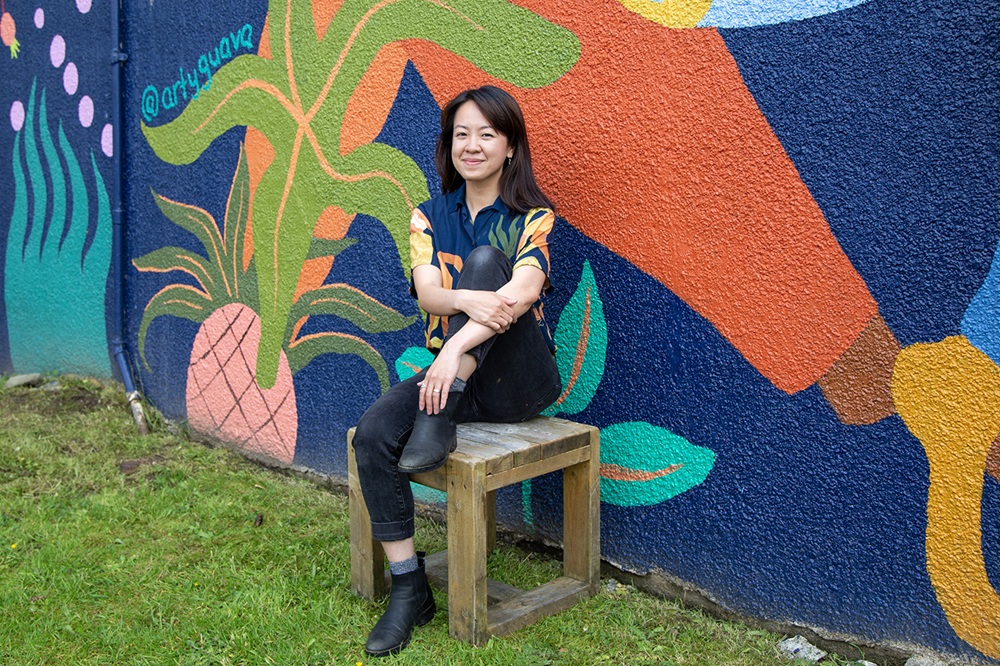
溫哥華與檳城可謂天各一方。儘管如此,生於檳城但現居於卑詩省的視覺藝術家Arty Guava仍喜歡在油畫及繪圖中加入穿著紗籠的女性,以表達故鄉優哉游哉的生活態度。

東亞及東南亞大部份地區將於1月22日慶祝兔年的來臨。在這年出生的人,以圓滑的交際手腕見稱。然而,越南在芸芸東南亞國家中比較特別,因為當地將會踏入貓年。

很多攝影愛好者都需要另覓工作以維持生計,也鮮有聽聞他們在全國性的攝影比賽中獲獎。然而,溫哥華牙醫羅徵遠(George)至今已奪得數項攝影殊榮,他的作品《白頭雕相爭》(Fighting bald eagles)更獲選為Sony National Award加拿大賽區冠軍。

籌備多時的溫哥華美術館重建計劃早前獲得卑詩省政府另一筆5千萬元的撥款,省政府先後合共為建造溫哥華美術館的新館注資了1億元。這項計劃亦獲得聯邦政府撥款2930萬撥款,以及1.9億元的私人捐助(當中包括Audain基金會的1億元和陳氏基金會的4千萬元)。無可置疑,這幢價值不菲的新建築物建成後將會成為溫哥華的新建築地標。

當我準備撰寫這篇關於編舞者Rakesh Sukesh的文章時,以他被歧視的一次奇怪經歷作起頭似乎合適不過。那次經歷除了讓Rakesh留下深刻印象,更加是報章編輯慣常用作文章開首的那種軼事。

心漫(Cathy Xinman)正在加拿大文學界開辟自己的道路:這名居於溫哥華的詩人以中文及英文兩種結構迥異的語言創作詩詞。她其中一本詩集《Where You Love Yourself》全部以英文撰寫,而《花吻太陽》則是一本中文作品集。

