
加拿大多元化故事電影在杜魯多時代蓬勃發展
關於賈斯汀·杜魯多 (Justin Trudeau) 決定辭任總理,外界將有各種評論。一些人可能批評他的大額赤字政策,或讚揚他在疫情期間推行的工資補貼計劃,該計劃幫助數百萬加拿大人保住了工作。另一些人可能會聚焦於他對烏克蘭的支持,或批評他未能大幅減少加拿大的溫室氣體排放。

關於賈斯汀·杜魯多 (Justin Trudeau) 決定辭任總理,外界將有各種評論。一些人可能批評他的大額赤字政策,或讚揚他在疫情期間推行的工資補貼計劃,該計劃幫助數百萬加拿大人保住了工作。另一些人可能會聚焦於他對烏克蘭的支持,或批評他未能大幅減少加拿大的溫室氣體排放。

許多時候,我覺得書評在揭示作者的同時,也能反映出評論者的想法。考慮到這一點,我不會對 Minelle Mahtani 的《May It Have a Happy Ending: A Memoir of Finding My Voice as My Mother Lost Hers》進行深入評論。Mahtani 是 UBC加拿大研究學系主任,她的故事不需要通過與她生活經驗截然不同的白人男性記者的視角來詮釋
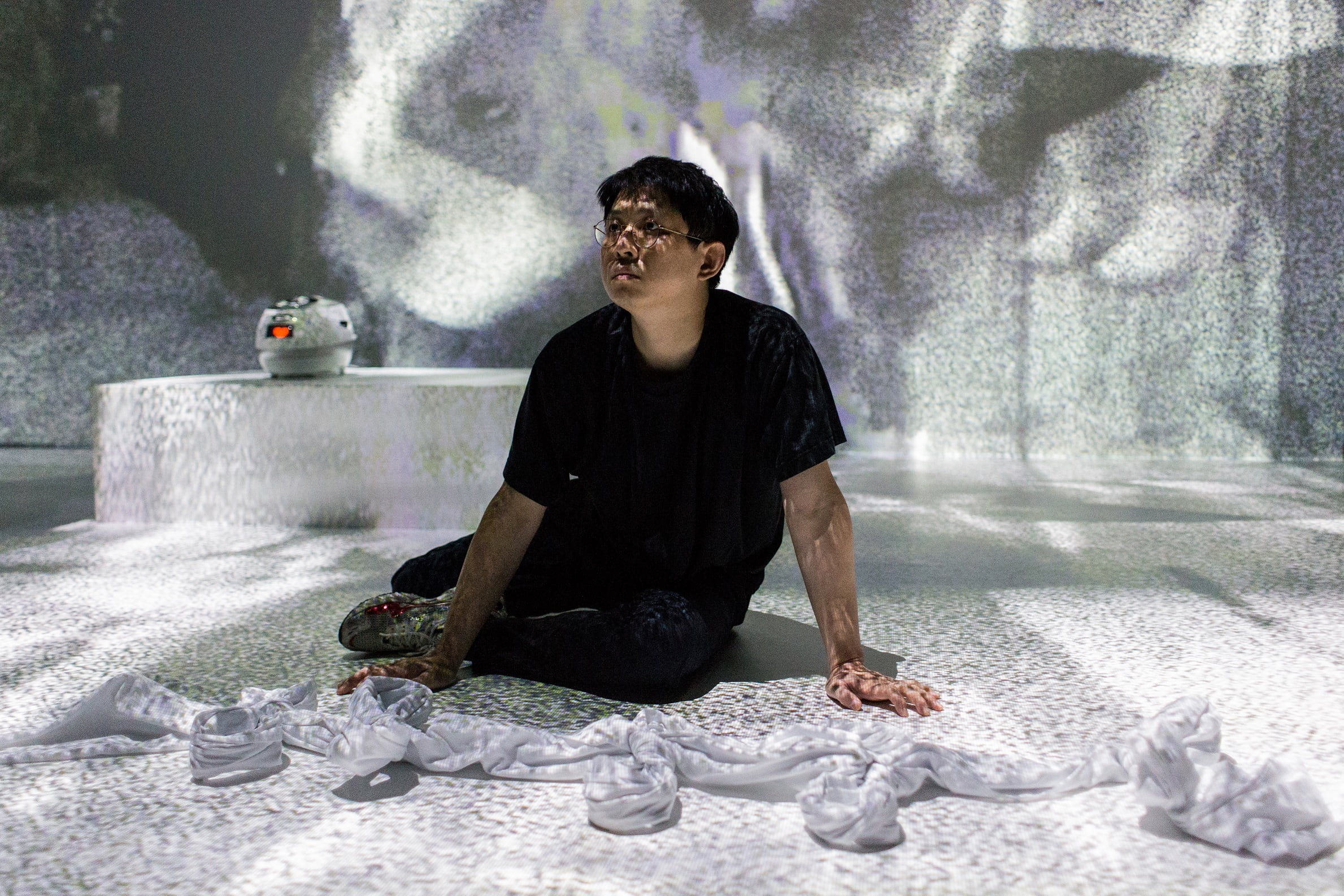
藝術家具滋昰 (Jaha Koo) 專注於探索帝國主義對他的祖國南韓的影響,並以此建立了自己的表演藝術事業。在與《Pancouver》的 Zoom 訪談中,這位目前居住於比利時的劇場創作者兼作曲家回憶起2008年的一段深刻的文化失調經歷,這啟發了他的多媒體表演《The History of Korean Western Theatre(韓國西方劇場史)》。該表演將於1月23日和24日,作為溫哥華PuSh國際表演藝術節 (PuSh International Performing Arts Festival) 的一部分登台演出。
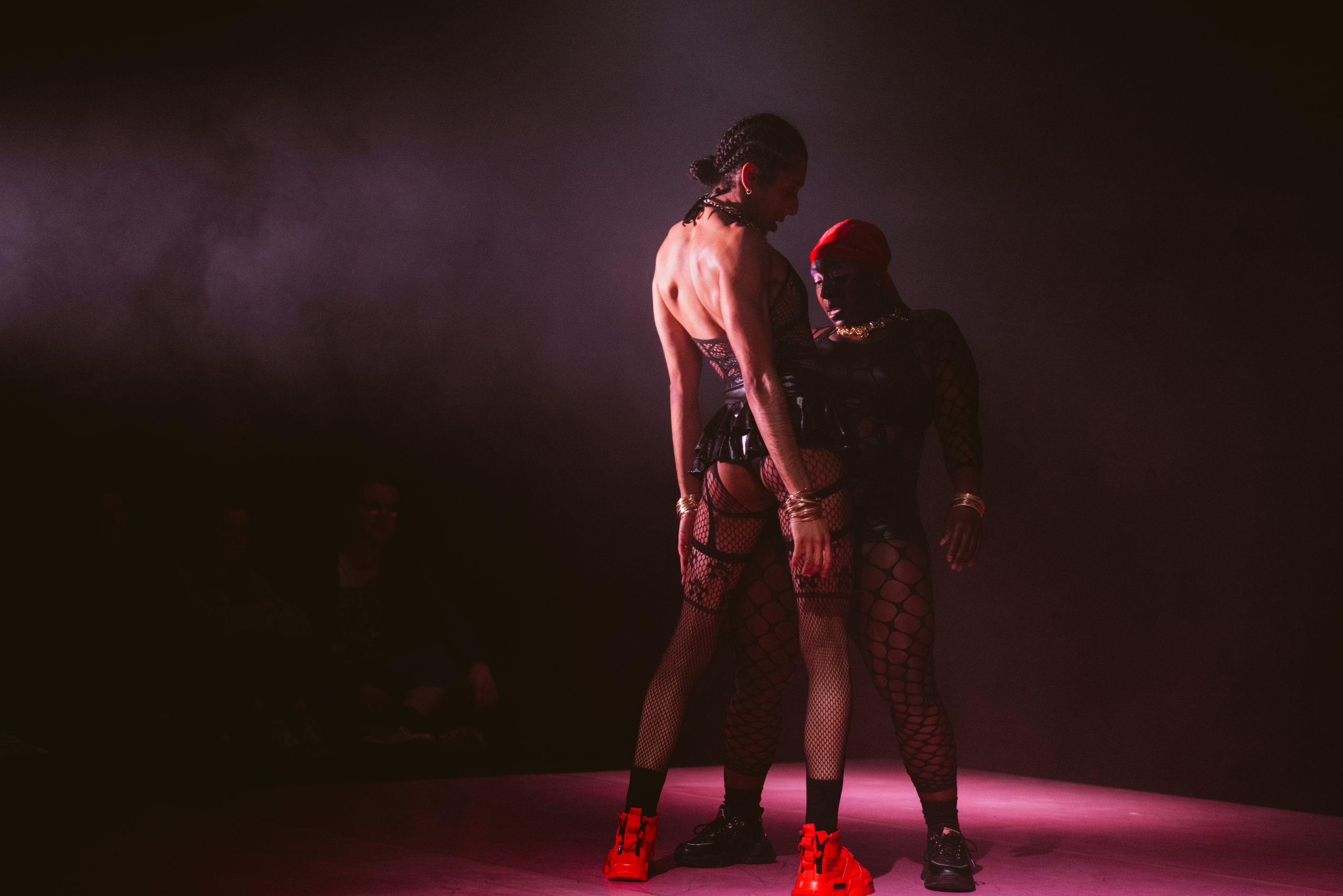
跨學科表演藝術家與作家 Ray Young(they/them)非常珍視讓人能夠全然表達自我的安全空間。事實上,這位居住於諾丁漢的《OUT》導演將為因交叉身份而感到邊緣化的藝術家和觀眾創造空間,視為其使命。
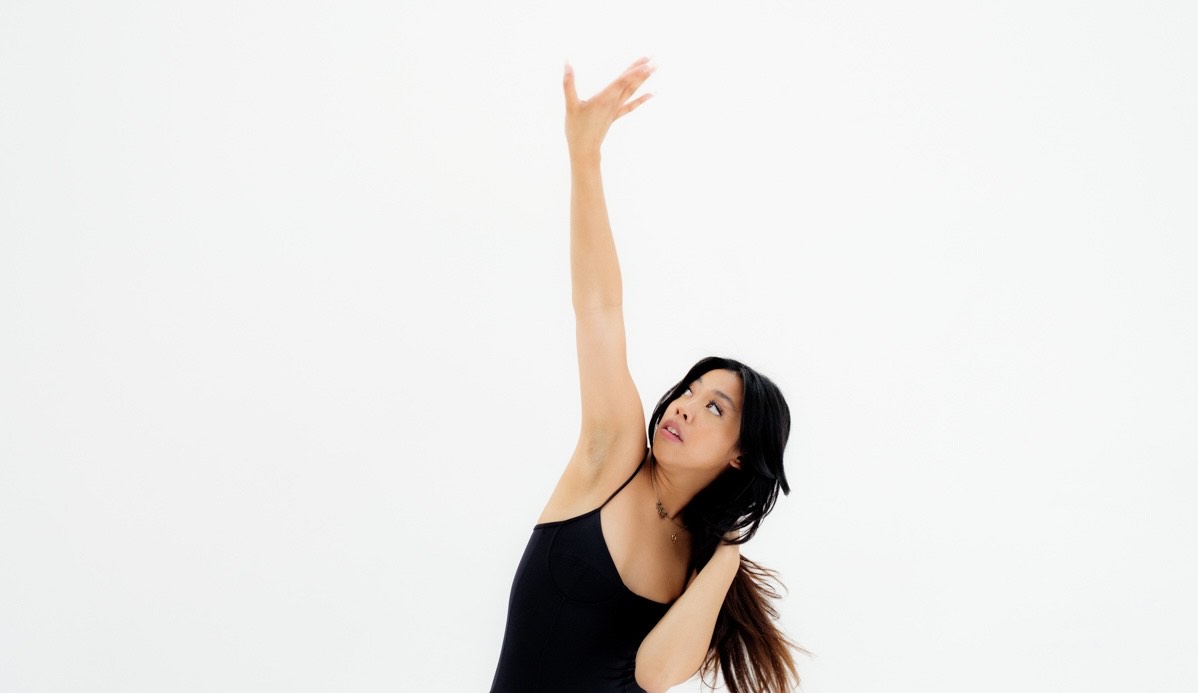
短篇紀錄片《Gaby》開場時,一位年輕的溫哥華編舞家正流暢且輕鬆地在一面落地鏡前練習街舞動作。在影片旁白中,Gabrielle Tumaneng 將她的藝術形式描述為「一種對歌曲進行詮釋的視覺表現」。
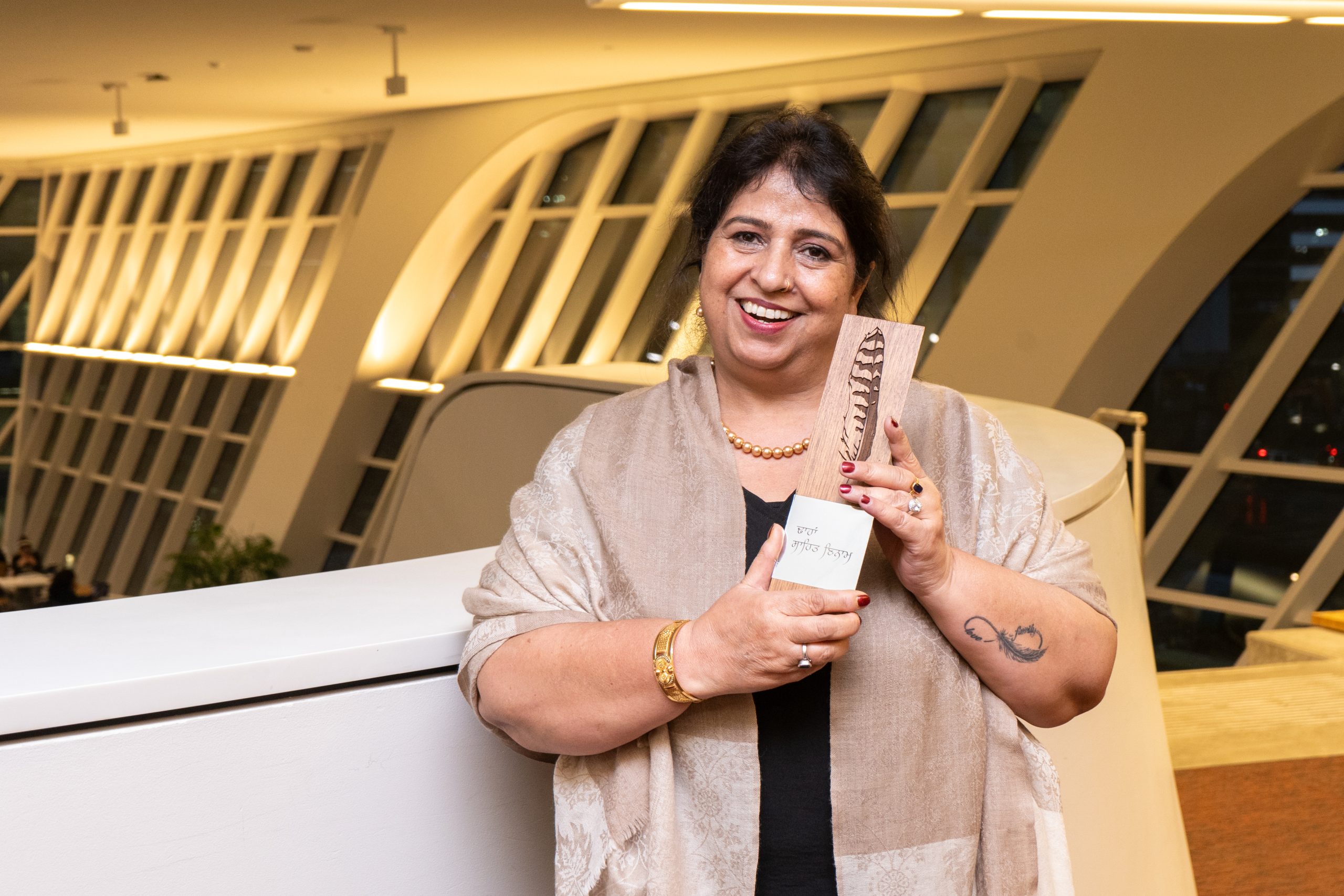
印度作家 Surinder Neer 認為《Taboo(禁忌)》是她最新旁遮普短篇故事集的理想書名,因為她的國家每天都有許多人面對各種禁忌。 「有家庭的禁忌;有宗教的禁忌;有社會的禁忌。」Neer 透過 Zoom 告訴 《Pancouver》,「而且這些禁忌無處不在。」
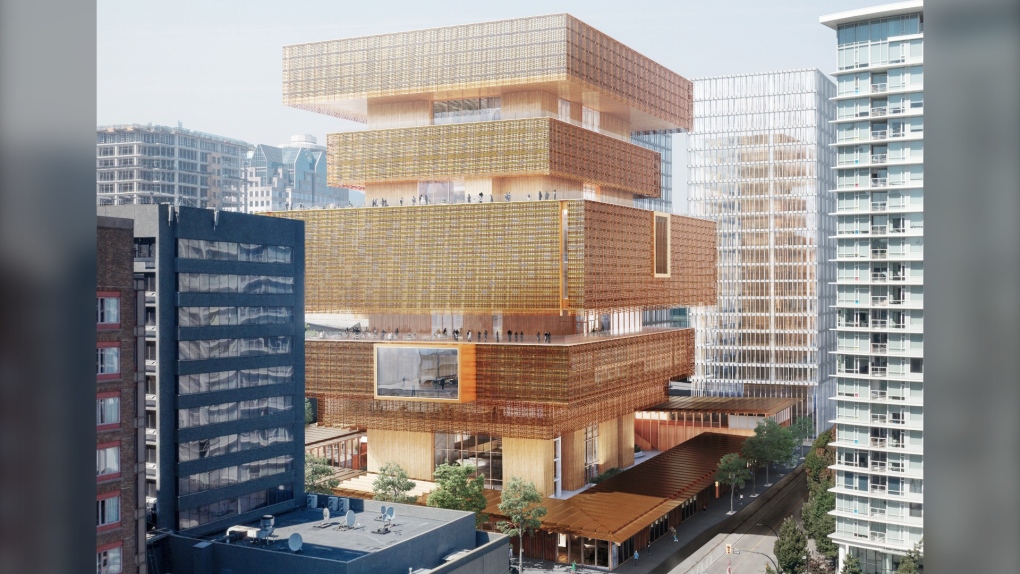
截至本文撰寫之時,瑞士建築公司 Herzog & de Meuron 仍將新溫哥華美術館列入其建案清單。 該公司在其網站上表示:「多年的材料探索已經從木材覆層建築,發展到玻璃原木立面,再到銅編織立面。目前的立面是與一群海岸薩利希藝術家密切合作開發的,他們分享了當地編織技術的知識。」
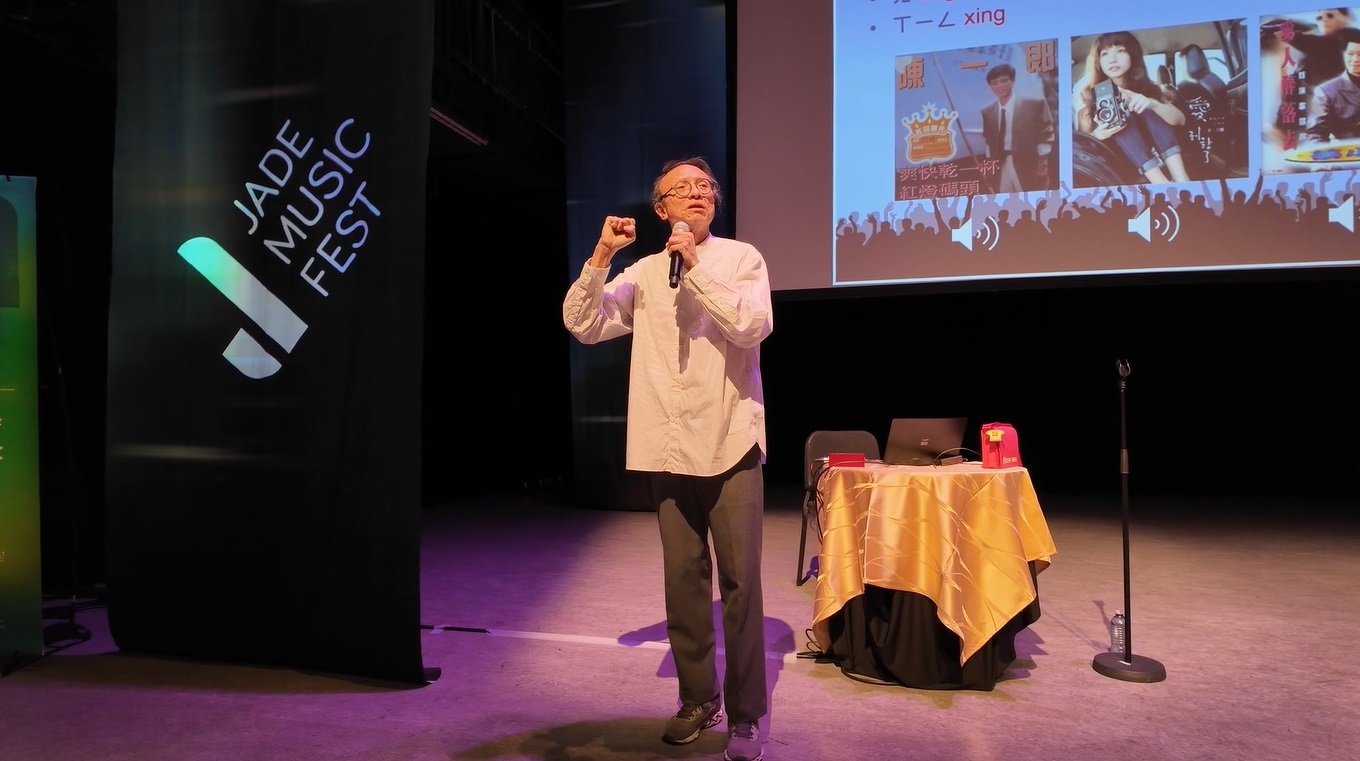
一位台灣音樂學家為有意向亞洲觀眾呈現族裔特色的加拿大華裔音樂人提供了一個建議:向父母、祖父母、姻親或鄰居請教,請他們唱或演奏一些亞洲民間音樂。
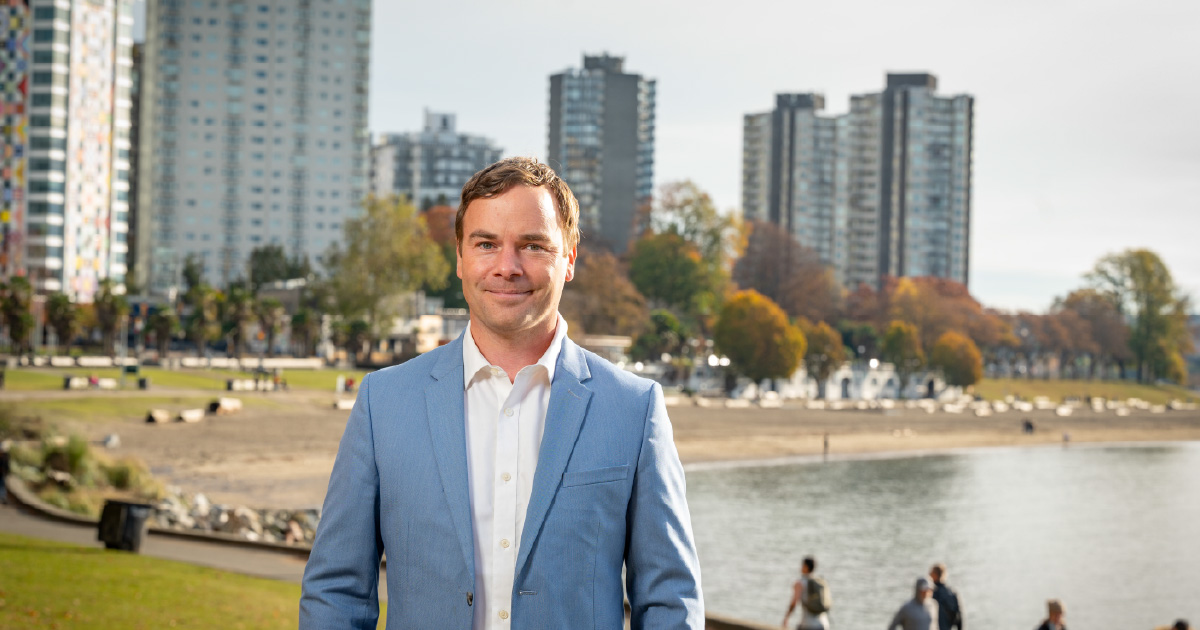
當政治領袖公佈新內閣時,媒體的焦點通常集中在健康、財政和司法系統的負責人上。偶爾也會有一些評論觸及交通運輸、住房、原住民關係或教育等領域。而反對黨則常常聲稱部分或全部的新內閣成員不具備相關職位的資格。

許多詩人在童年或青少年時期就愛上了詩歌這種藝術形式。然而,Grace Kwan(使用 they/them 的代名詞)直到在西門菲莎大學 (Simon Fraser University) 研究所就讀時,才開始認真創作詩歌。

