
投票制定「國語」的傳說
大家或許聽過一個中華民國的「國語」如何制定的故事。中華民國成立時,政府要選一個方言做為國語,當時北京話已經通行全國,自然成了首選。然而,因為首創革命的中山先生是廣東人,所以部分人士支持以廣東話為國語。雙方僵持不下,只好投票決定。最後廣東話輸了一票,所以國民政府就採用北京話為國語。真的假的?這篇就來談談這段現代漢語發展的往事,一探關於制定國語的傳說。

大家或許聽過一個中華民國的「國語」如何制定的故事。中華民國成立時,政府要選一個方言做為國語,當時北京話已經通行全國,自然成了首選。然而,因為首創革命的中山先生是廣東人,所以部分人士支持以廣東話為國語。雙方僵持不下,只好投票決定。最後廣東話輸了一票,所以國民政府就採用北京話為國語。真的假的?這篇就來談談這段現代漢語發展的往事,一探關於制定國語的傳說。

2014 年,韓裔美國記者 Euny Hong 寫了一本解析世界上最具創新力的國家之一的書:《The Birth of Korean Cool: How One Nation is Conquering the World Through Pop Culture》(韓國「酷」的崛起:一個國家如何透過流行文化征服世界),追溯韓國如何成為世界娛樂大國,那是透過努力,想像力和明智的政策實現的。

溫哥華東部的多個地點展出了一件不尋常的藝術品。藝術家 Lani Maestro 的《her name》只在二維碼旁邊留下「Mary Jane」這個名字,這個作品提到了 Mary Jane Veloso,她是來自菲律賓北部的前家務工,目前被關押在印尼,透過掃描二維碼觀眾將被帶入 Veloso 的故事,該故事引起了人權組織的極大關注。

人們通常不會將祖先的記憶與科幻小說聯繫在一起。然而,這正是溫哥華媒體藝術家 Kiran Bhumber(ਿਕਰਨਦੀਪ ਕੌਰ ਭੰਬਰ)與李南屏之間跨領域合作的核心主題。在《Union》中,Bhumber和李南屏在互動式敘事中扮演兩個角色,故事將在四個互相關聯的領域中展開。

溫哥華與印度的大都市德里和孟買之間有十二小時時差,但在第 14 屆一年一度的「Indian Summer Festival」上,大溫哥華地區的居民可以輕鬆體驗印度文化氛圍,活動時間為 7 月 4 日至 14 日,大部分活動將在固蘭湖島舉行。
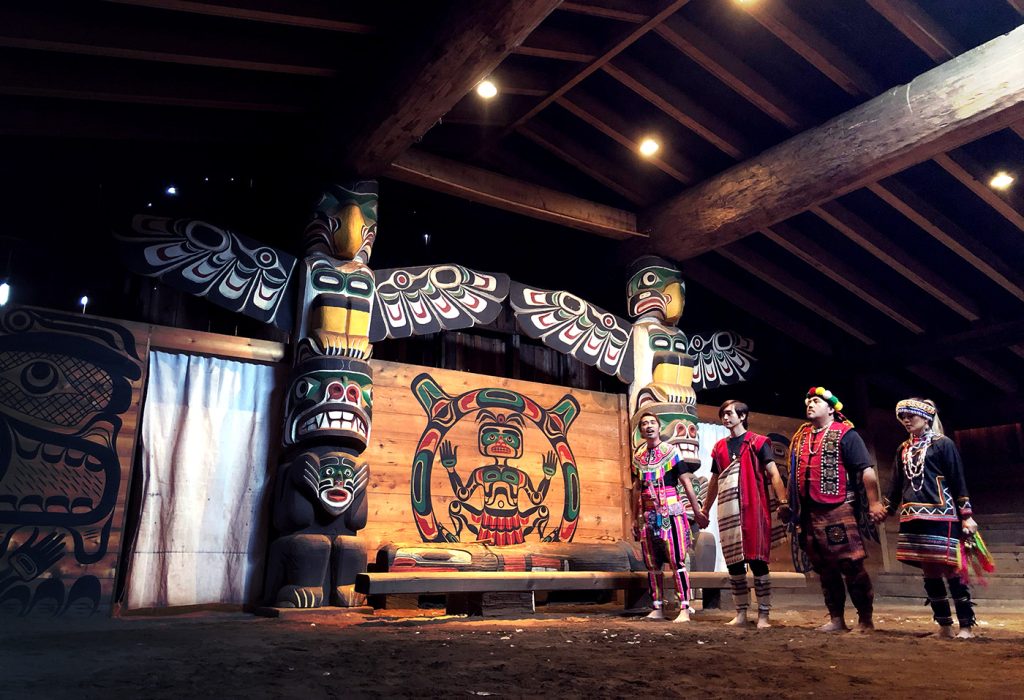
加拿大與台灣的原住民之間存在著一些鮮為人知的共同點,而一位台灣原住民電影製片人希望透過其最新紀錄片《找回原來的樣子》,來提高大眾對此的了解。
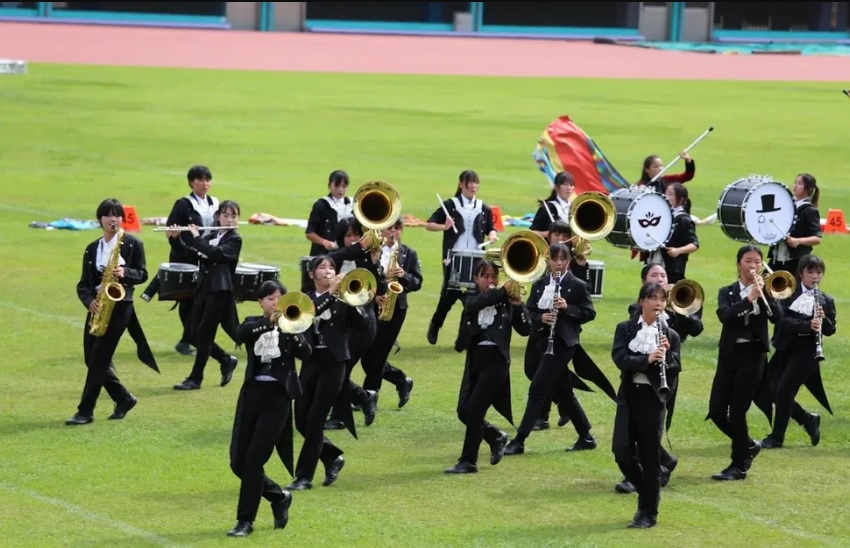
台灣和加拿大的藝術及文化在溫哥華長週末成為焦點。週六(6月29日)開始,台加文化協會將在溫哥華美術館北廣場(šxʷƛ̓ənəq Xwtl’e7énḵ Square)和伊莉莎白女王劇院舉辦戶外藝術文化嘉年華。
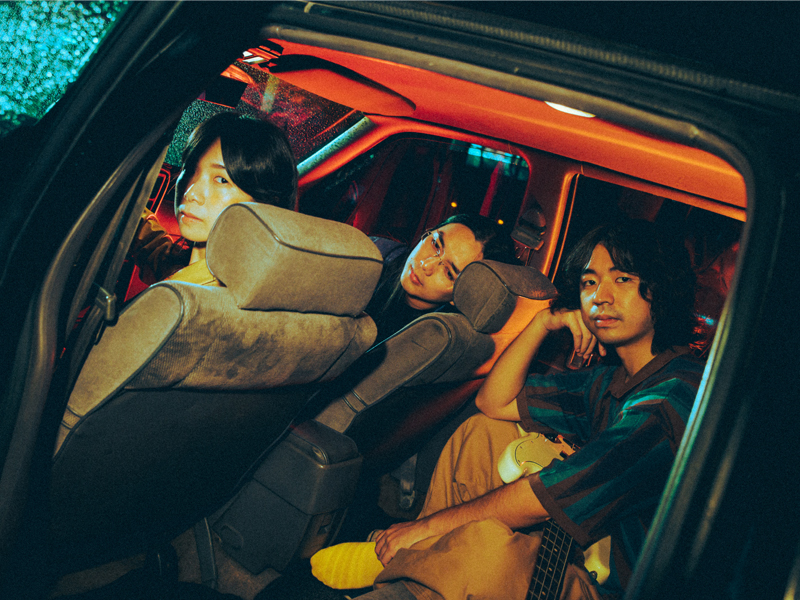
但對於台灣的音樂愛好者來說,「Lilium」一詞有著完全不同的意義,在這個島國,「Lilium」(百合花樂團)是一支有高度原創性的獨立搖滾樂團,將多種音樂流派融入其巧妙的歌曲中,其中包括傳統台灣音樂,如南管和北管,它們與節奏感強勁的吉他,貝斯及鼓組互相映襯。

在她的音樂生涯中,Serrini展現了她善於製造驚喜的能力,一個典型的例子是她的MV《樹木真美》(kiki mami),以柔和的旋律開場,觀眾會將其聯想到粵語流行樂,這位香港詞曲作家身穿天使般的白裙,在台上哀怨地唱著關於墮入情緒深淵的故事。

西格蒙德·弗洛伊德最著名的案例研究涉及一位被他稱為朵拉的 18 歲女孩,身為精神分析學創立者的他診斷她患有「歇斯底里症」(hysteria)。此外,透過夢境分析,佛洛伊德得出結論,她的病情是由被壓抑的同性戀傾向而引發,她對曾向她求婚的一位世交的妻子產生了愛慕。

